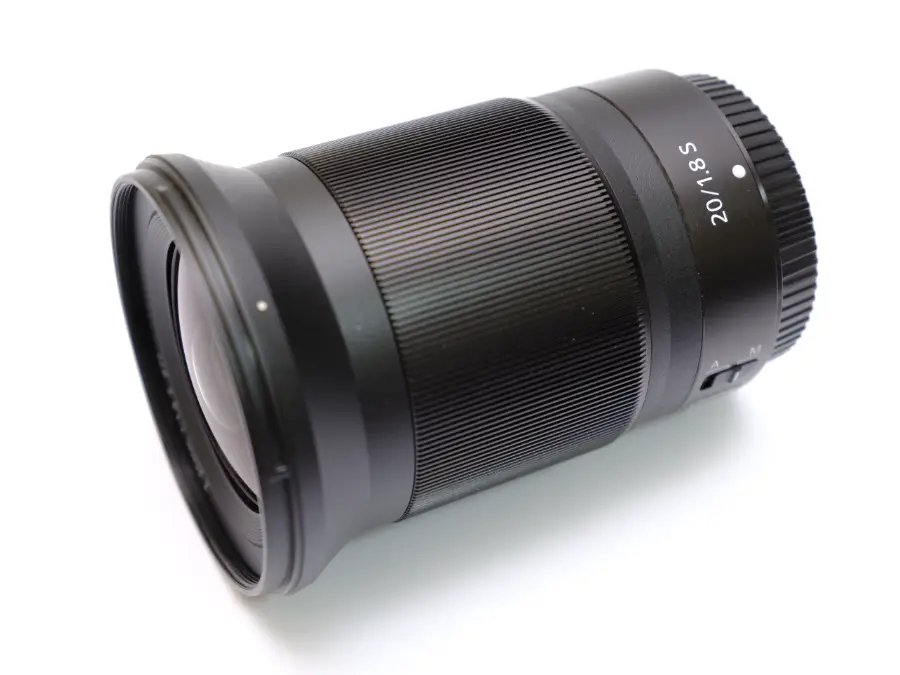

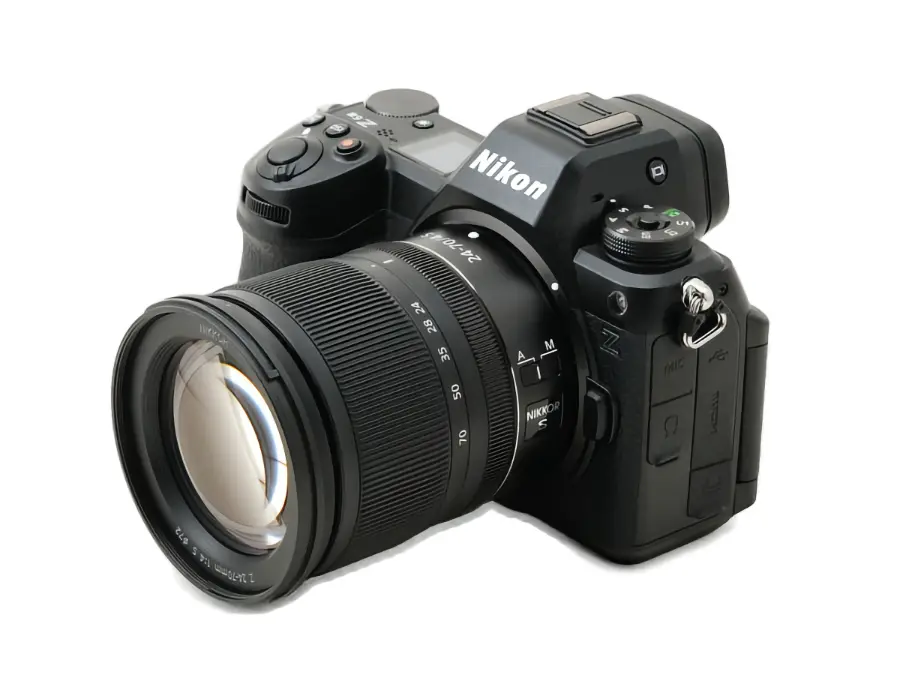
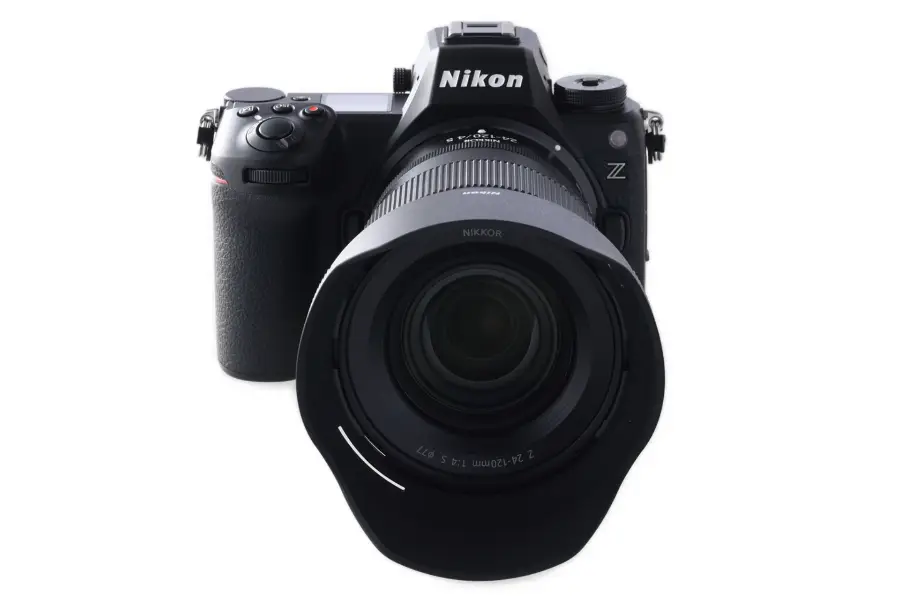
Hello, everyone. Today, we’re diving deep into Nikon’s latest full-frame mirrorless camera, the Nikon Z6 III. This camera has been making waves with its innovative sensor technology and outstanding video capabilities. Let’s explore the features of the Nikon Z6 III and determine who might benefit most from this powerful imaging tool.
📊 Nikon Z6 III Key Specifications
First, let’s break down the detailed specifications of the Nikon Z6 III in a table format.
| Feature | Specification |
|---|---|
| Sensor | 24.5MP full-frame partially stacked CMOS |
| Max Resolution | 6016 x 4016 (photos) |
| Video Resolution | 6K 60p, 5.4K 60p, 4K 120p |
| Internal Recording | N-Raw, ProRes 422 HQ, ProRes Raw, H.265 |
| Viewfinder | 4,000 nit brightness, DCI-P3 color space EVF |
| Rear LCD | Fully articulating touchscreen |
| Autofocus System | 9 subject recognition modes, 3D tracking |
| Image Stabilization | 5-axis in-body image stabilization |
| Continuous Shooting | Up to 14fps (mechanical shutter) |
| Memory Cards | CFexpress Type B + SD UHS-II |
| Battery | EN-EL15c Lithium-ion battery |
| Dimensions | 134 x 100.5 x 69.5 mm |
| Weight | Approx. 675g (including battery and memory card) |
| Price | $2,500 (US market) |
Now, let’s delve into the key features and performance of the Nikon Z6 III.
🔬 Innovative Sensor Technology
Advantages of the Partially Stacked Sensor
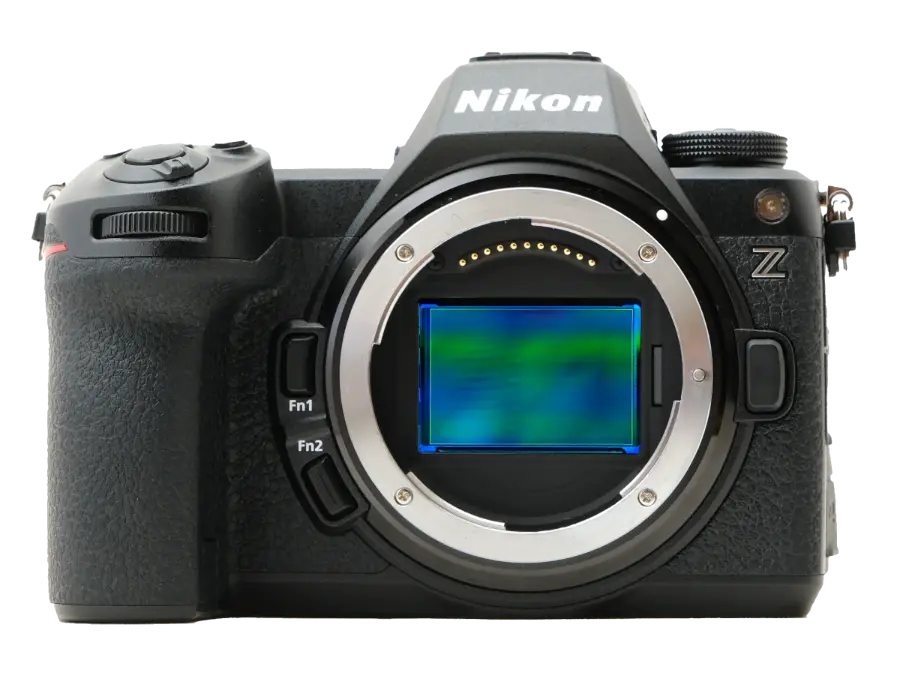
The Nikon Z6 III incorporates a 24.5MP full-frame partially stacked CMOS sensor. The most significant feature of this innovative sensor design is the placement of additional circuitry only at the top and bottom portions of the sensor, dramatically increasing speed. This approach allows for improved performance while maintaining lower manufacturing costs compared to fully stacked sensors.
High-Speed Sensor Performance

The speed of this sensor is its standout feature. The Nikon Z6 III can shoot at 6K resolution with a frame rate of 60fps, all without cropping on the full-frame sensor. What’s even more impressive is that all this is achieved with a readout speed of less than 10ms. This performance is exceptional when compared to cameras in the same price range.
Rolling Shutter Performance

The high-speed sensor translates to reduced rolling shutter effects. The measured readout time in 6K N-Raw mode is 9.4ms, the fastest among full-frame cameras under $4,000. This high-speed performance significantly reduces the jello effect during rapid panning, resulting in more stable footage.
📽️ Outstanding Video Performance

Diverse Resolution and Frame Rate Options
The Nikon Z6 III boasts impressive video capabilities. Here are the key video shooting options:
- 6K 60fps (N-Raw)
- 5.4K 60fps (H.265)
- 4K 120fps (1.5x crop)
- 1080p 240fps (95% of full-frame)
These diverse options allow users to select their preferred resolution and frame rate, enhancing creative freedom in video production.
Internal Recording Options
The Nikon Z6 III supports various codecs for internal recording, expanding the scope of in-camera recording:
- N-Raw: Nikon’s proprietary raw format, supporting up to 6K 60fps
- ProRes 422 HQ: Supporting up to 5.4K 30fps
- ProRes Raw: Supporting up to 6K 30fps
- H.265: Supporting up to 5.4K 60fps
These varied recording options will be particularly appealing to professional video producers.
Video Quality and Dynamic Range

The overall video quality of the Nikon Z6 III is excellent. Shooting in N-Raw format offers particularly high flexibility in post-production. Dynamic range tests revealed approximately 14 stops of total dynamic range and 10 stops of practical dynamic range at ISO 800. While these figures are slightly lower compared to some competitors, applying noise reduction can improve the practical dynamic range to over 12 stops.
📸 Still Photography Performance
High-Speed Continuous Shooting
The Nikon Z6 III is capable of continuous shooting at up to 14fps. This feature is particularly useful in situations requiring the capture of fast-moving subjects, such as sports or wildlife photography.
ISO Performance
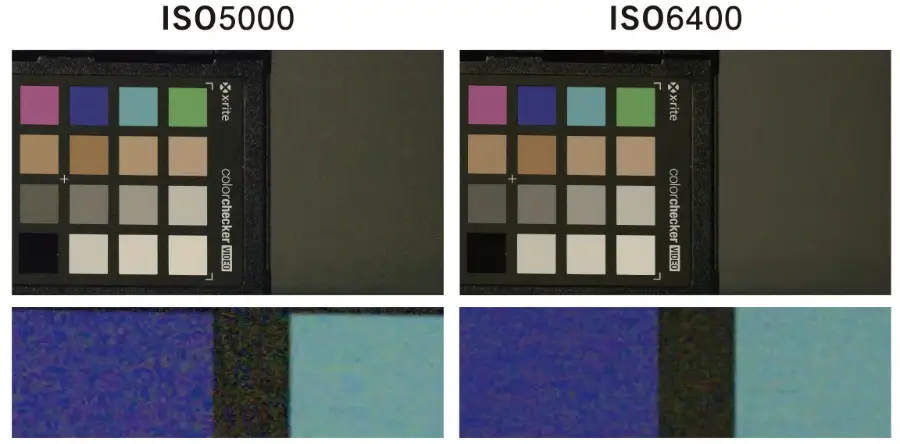
ISO performance tests showed that the Nikon Z6 III maintains excellent quality up to ISO 25,600. Noise improvement was observed at ISO 6,400, suggesting this might be the second native ISO point. Color shifts were minimal, occurring slightly beyond ISO 5,000 and 25,600, but overall well-controlled.
Color Accuracy
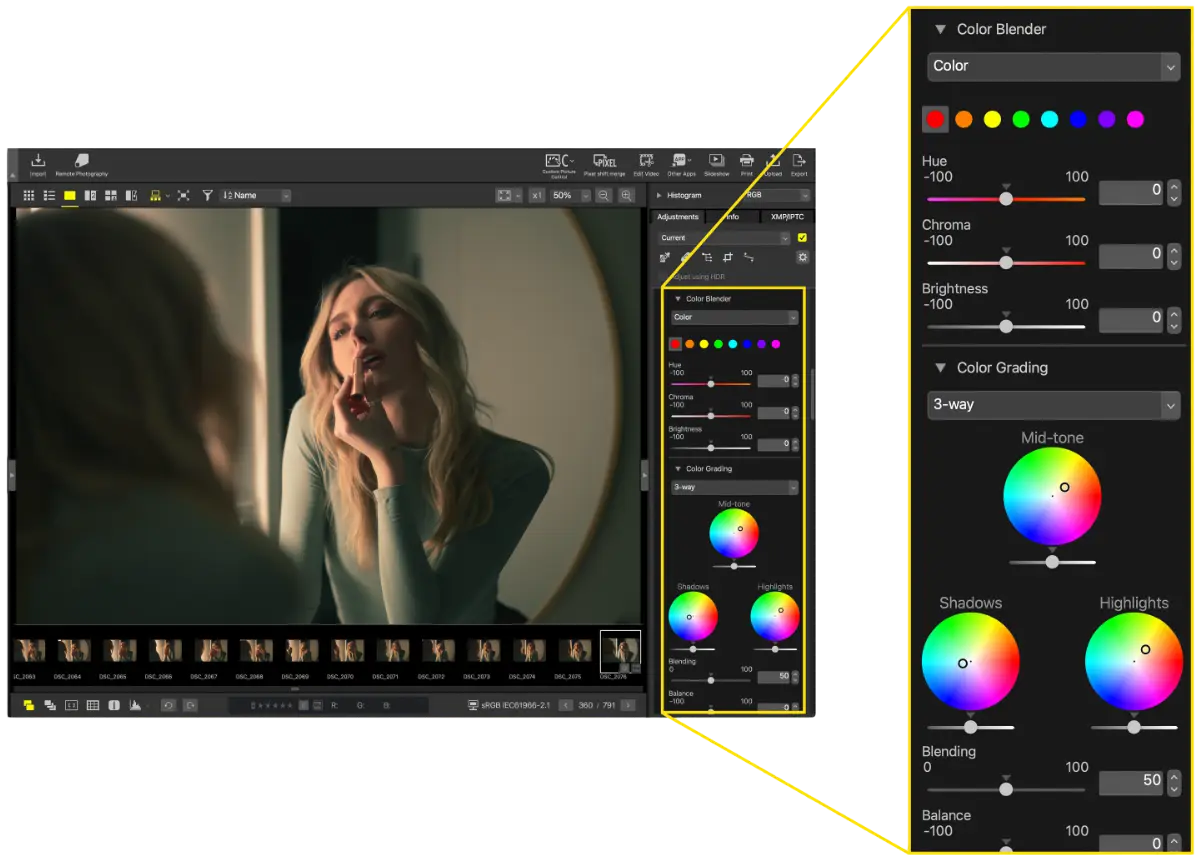
The Nikon Z6 III demonstrates excellent color accuracy. The built-in flat profile, in particular, offers superior color accuracy, allowing for more flexible post-processing workflows.
🎛️ Usability and Ergonomics
Memory Card Options
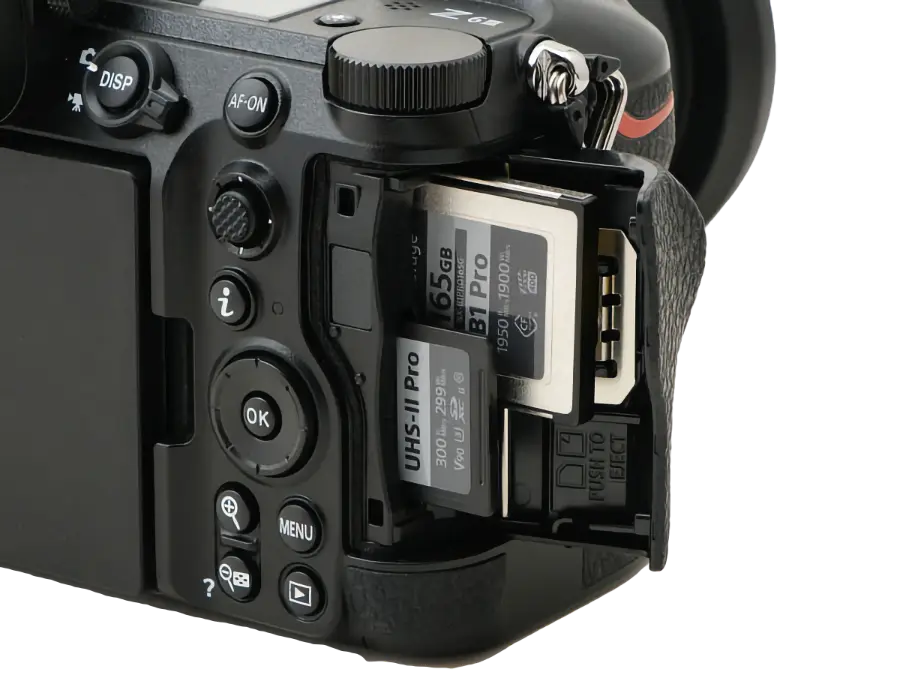
The Nikon Z6 III provides one CFexpress Type B and one SD UHS-II card slot. While 6K shooting and RAW recording require the use of CFexpress cards due to their high-capacity, high-speed data transfer capabilities, recording with H.265 codec is possible on SD cards. However, it’s worth noting that the camera doesn’t offer a backup recording option to simultaneously record the same codec to both cards.
HDMI Output
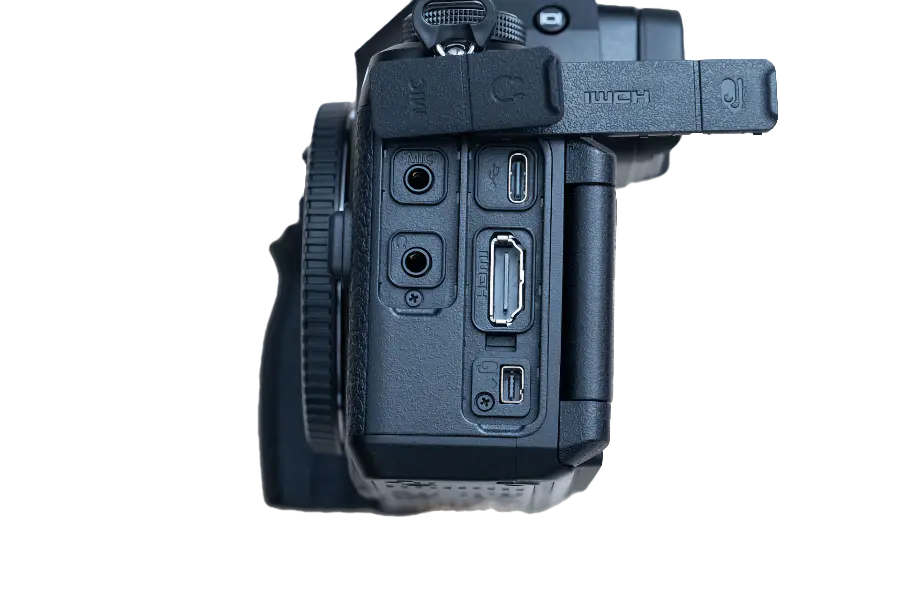
The Nikon Z6 III features a full-size HDMI Type-A port, facilitating easy connection to external monitors or recorders. A particularly noteworthy feature is the ability to mirror the camera screen information to the HDMI output. This proves extremely useful when using an external monitor, as it allows you to view all camera information while monitoring your shot.
📷 Image Stabilization System
In-Body Image Stabilization

The Nikon Z6 III incorporates a 5-axis in-body image stabilization system. This system performs quite well for static handheld shots. It provides sufficient stabilization effect for most common focal lengths, allowing for sharp images even at slower shutter speeds.
Electronic VR
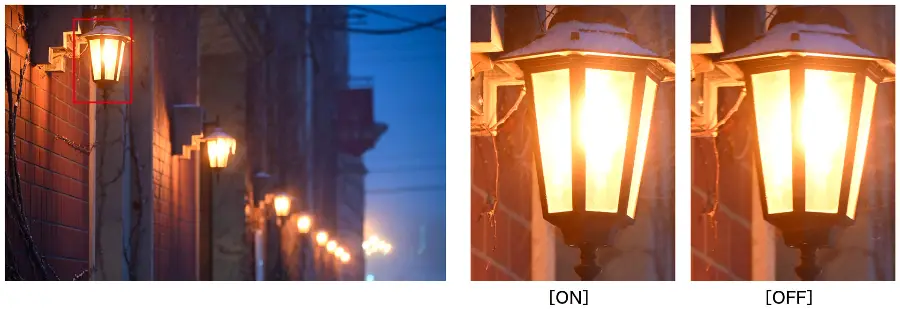
For video recording situations requiring additional stabilization, an electronic VR option can be activated. While this feature does introduce some crop, it can produce much smoother footage in scenarios like walking shots. However, compared to top-tier models from competing brands, there’s still room for improvement in this area.
🎯 Autofocus System
Improved Algorithm

The Nikon Z6 III has inherited many autofocus features from higher-end models. It incorporates an improved algorithm with 9 different subject recognition modes and 3D tracking, allowing it to adapt to various shooting scenarios.
Low-Light Performance
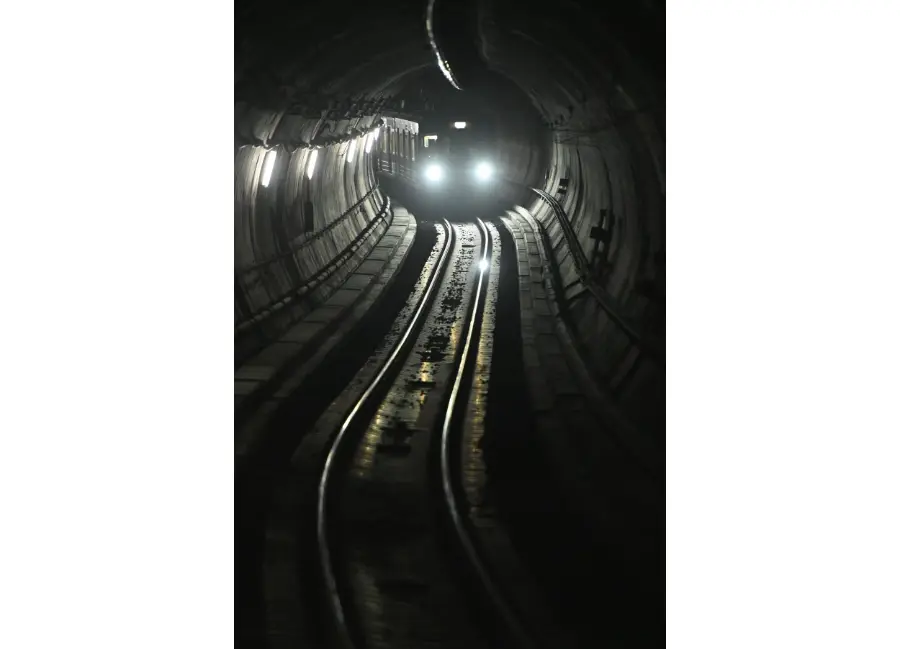
Tests revealed that the camera could track faces in video mode even in situations up to 4 stops underexposed. This indicates reliable autofocus performance even in low-light environments.
Lens Compatibility
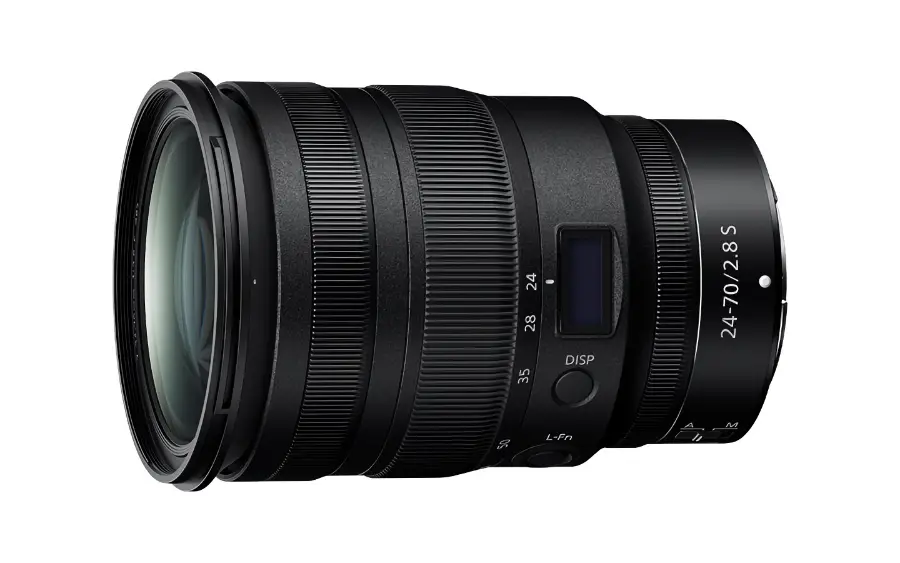
While the 24-70mm lens used in testing wasn’t optimized for rapid focus transitions in video, the camera’s autofocus performance itself proved very stable and reliable. It performed particularly well in talking head scenarios, such as interviews or vlogs.
💻 Post-Processing Options

N-Log and LUTs
The Nikon Z6 III offers an N-Log profile, allowing for maximum dynamic range capture. However, the official Nikon LUTs have some issues. While the new version of LUTs provides smooth grayscale gradation, it significantly brightens the image, making it challenging to follow standard exposure practices.
Advantages of RAW Recording
The internal N-Raw recording option offers numerous benefits in post-processing. It allows for more flexible application of noise reduction, color grading, and other adjustments, resulting in higher quality output compared to directly processing images from the SD card.
🔄 Comparison with Competitors
To better understand the Nikon Z6 III’s performance, let’s compare it with some competing models in the same class.
1. Sony A7 IV

- Sensor: 33MP full-frame BSI CMOS
- Video: 4K 60p (Super 35mm crop), 10-bit 4:2:2 internal recording
- Autofocus: 759-point phase-detection AF
- Price: Approx. $2,500
The Sony A7 IV offers a higher resolution sensor but introduces a crop when shooting 4K 60p. While its autofocus performance is industry-leading, the Nikon Z6 III’s 6K shooting capability and faster sensor readout speed are significant advantages.
2. Canon EOS R6 Mark II

- Sensor: 24.2MP full-frame CMOS
- Video: 4K 60p oversampling, 6K RAW external output
- Autofocus: Dual Pixel CMOS AF II
- Price: Approx. $2,500
The Canon EOS R6 Mark II provides excellent autofocus performance and 6K RAW external output. However, the Nikon Z6 III’s internal 6K recording capability may be more practical in field situations.
3. Panasonic Lumix S5 II

- Sensor: 24.2MP full-frame CMOS
- Video: 6K 30p, 4K 60p
- Autofocus: 315-point phase-detection AF
- Price: Approx. $2,000
The Lumix S5 II offers 6K shooting capability at a lower price point. However, the Nikon Z6 III’s faster frame rate (6K 60p) and more advanced autofocus system are significant advantages.
🎭 Suitability for Different Use Cases
Professional Photographers
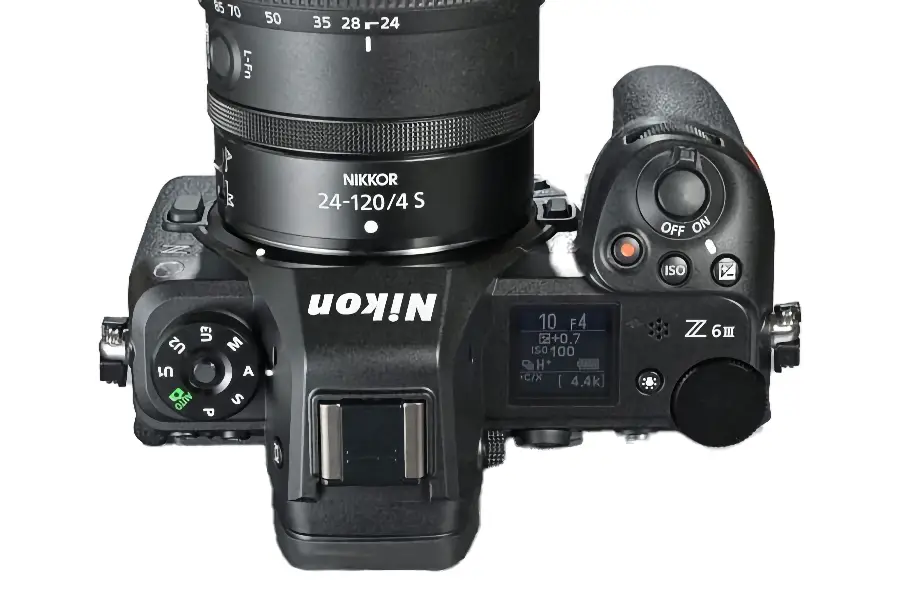
The Nikon Z6 III, with its 24.5MP resolution, excellent high ISO performance, and fast continuous shooting speed, is well-suited for various genres of professional photography. It’s particularly suitable for wedding, event, and sports photographers.
Video Producers
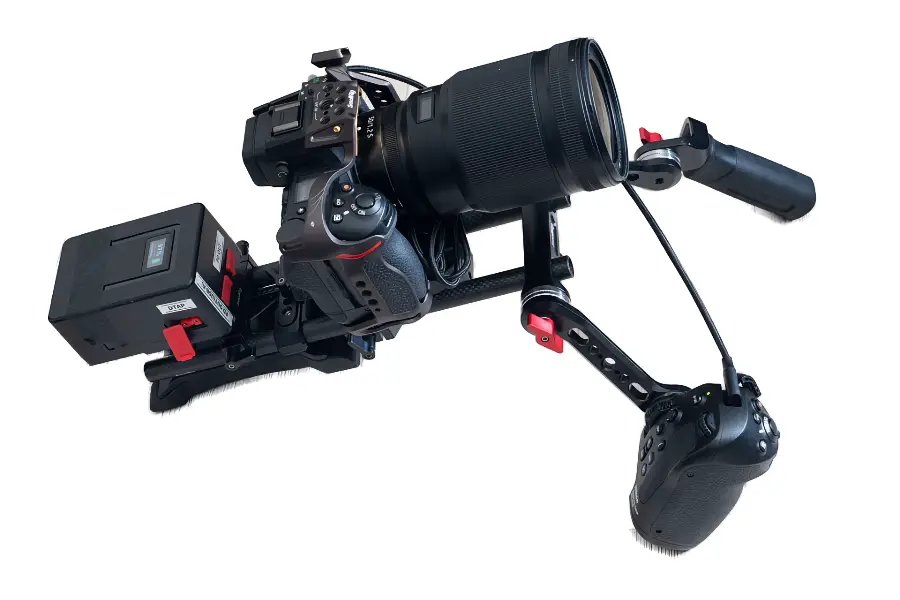
Features such as 6K 60fps internal recording, various codec options, and excellent rolling shutter performance make the Z6 III attractive to video producers. It’s well-suited for documentaries, vlogs, short film production, and more.
Hybrid Shooters
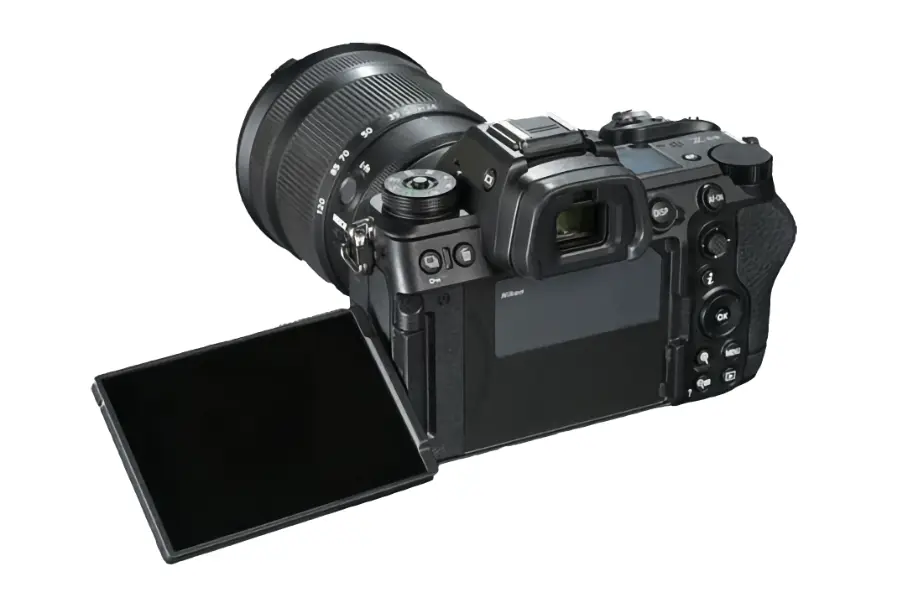
For hybrid creators who work with both stills and video, the Nikon Z6 III can be an ideal choice. Its ability to capture high-quality photos and videos with a single camera enhances equipment efficiency.
Passionate Amateurs
With its advanced features and relatively reasonable price point, the Z6 III can be an excellent choice for passionate amateur photographers or videographers looking to elevate their shooting skills.
💡 Conclusion
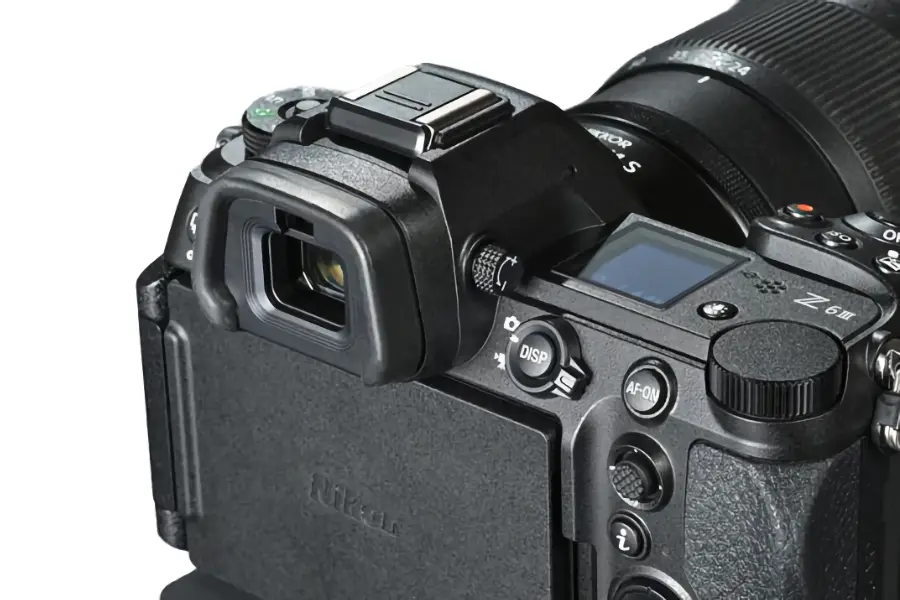
The Nikon Z6 III has established itself as a top-tier camera in its class through innovative sensor technology, outstanding video performance, and an enhanced autofocus system. Its ability to internally record 6K 60fps is particularly noteworthy in this price range.
While there’s room for improvement in areas such as dynamic range and image stabilization, the Nikon Z6 III offers a well-balanced performance overall. Considering its $2,500 price tag, it’s a camera that can be recommended to a wide range of users, from professionals to passionate amateurs.
For users seeking excellent performance in both photography and videography, especially those interested in high-quality video production, the Nikon Z6 III comes highly recommended. It stands out as one of the most value-packed full-frame mirrorless cameras currently available in the market, capable of bringing your creative vision to life.
Finally, it’s important to remember that camera selection should consider individual shooting styles, primary usage, and existing lens collections. We recommend thoroughly checking if the Nikon Z6 III aligns with your requirements and, if possible, trying it out firsthand. While excellent tools can aid in creating better work, remember that your creativity and skill in wielding these tools are ultimately what matter most.
The Nikon Z6 III represents a significant step forward in the world of hybrid cameras, offering professional-grade features at a price point that makes it accessible to a broader range of creators. Its combination of high-resolution stills, impressive video capabilities, and advanced autofocus technology makes it a versatile tool for various photographic and videographic applications.
For professional photographers, the Z6 III’s 24.5MP sensor provides ample resolution for most applications, while its high ISO performance and fast continuous shooting speed make it suitable for challenging shooting conditions. Wedding photographers will appreciate its low-light capabilities, while sports and wildlife photographers can take advantage of its rapid burst mode and improved autofocus tracking.
Videographers will find the Z6 III’s feature set particularly appealing. The ability to shoot 6K 60fps internally is a standout feature at this price point, offering flexibility in post-production for 4K deliverables. The variety of codec options, including N-Raw and ProRes, caters to different workflow preferences, while the improved rolling shutter performance enhances the overall quality of motion pictures.
For hybrid shooters who regularly switch between stills and video, the Z6 III offers a compelling all-in-one solution. The ability to capture high-quality stills and video with a single device can streamline gear requirements and workflow, particularly for documentary work, event coverage, or travel photography and videography.
Enthusiasts and semi-professionals looking to elevate their craft will find the Z6 III’s feature set and price point attractive. It offers room for growth and experimentation across various photographic and videographic styles without breaking the bank.
However, potential buyers should consider a few factors:
Lens Ecosystem: While Nikon’s Z-mount lens lineup is growing, it’s not as extensive as some competitors. Consider your specific lens needs and check the availability of native Z-mount options.
Autofocus Performance: While improved, Nikon’s autofocus system may not yet match the best-in-class performance of some competitors, particularly for challenging subjects or in extreme conditions.
Video-Centric Features: If your work is heavily video-focused, compare the Z6 III’s feature set with video-centric cameras from other manufacturers to ensure it meets all your specific needs.
Future-Proofing: Consider whether features like 6K recording and the partially stacked sensor design will meet your needs not just now, but for the foreseeable future.
In conclusion, the Nikon Z6 III represents excellent value for money in the current camera market. It offers a robust feature set that caters to a wide range of photography and videography needs, wrapped in a package that’s competitively priced. While it may not be perfect for every user or use case, it stands as a strong contender for those seeking a versatile, high-performance camera that can handle both still photography and advanced video work.
As with any significant investment in photographic equipment, we recommend hands-on testing if possible to ensure the camera meets your specific needs and workflow preferences. The Nikon Z6 III has certainly raised the bar for what can be expected from a camera in this price range, and it will be exciting to see how it performs in real-world usage across various photographic and videographic applications.