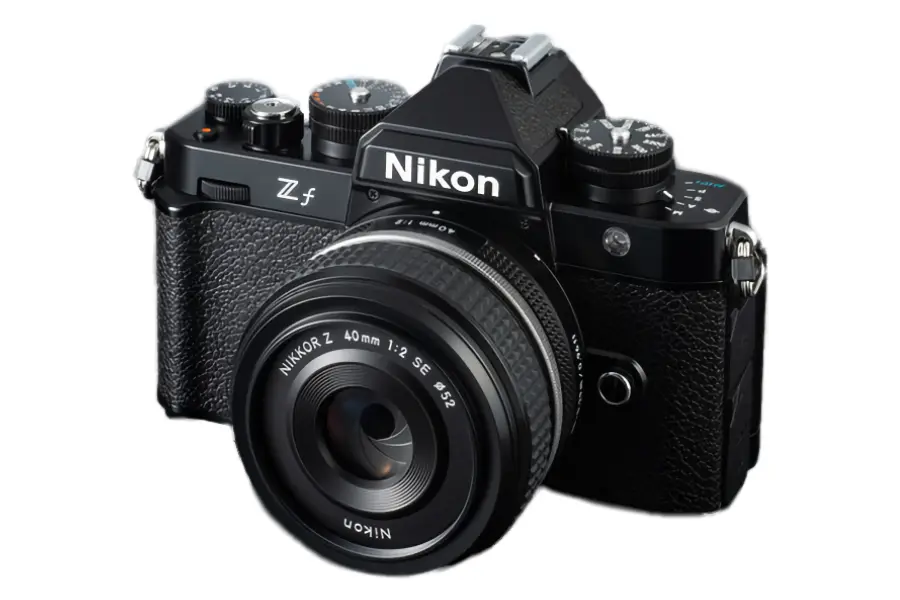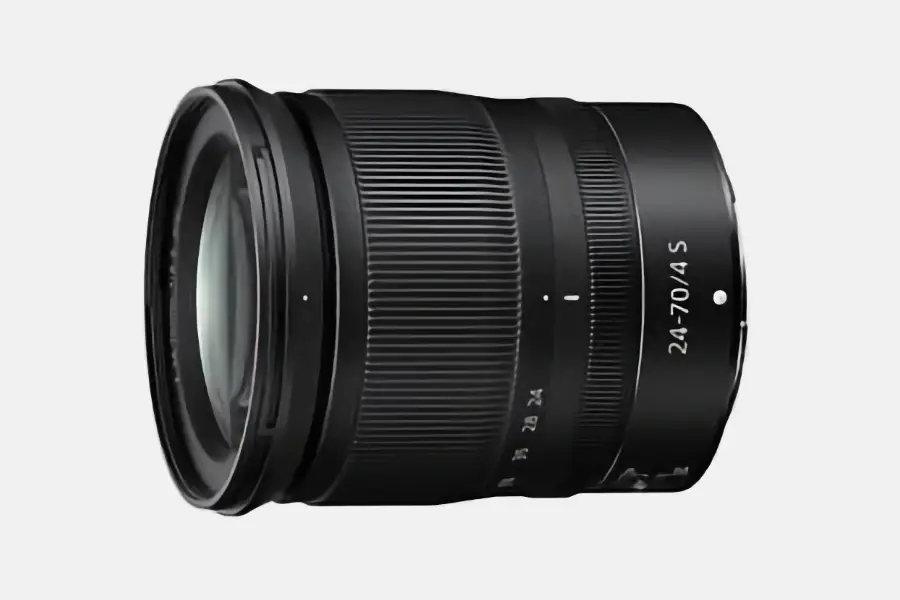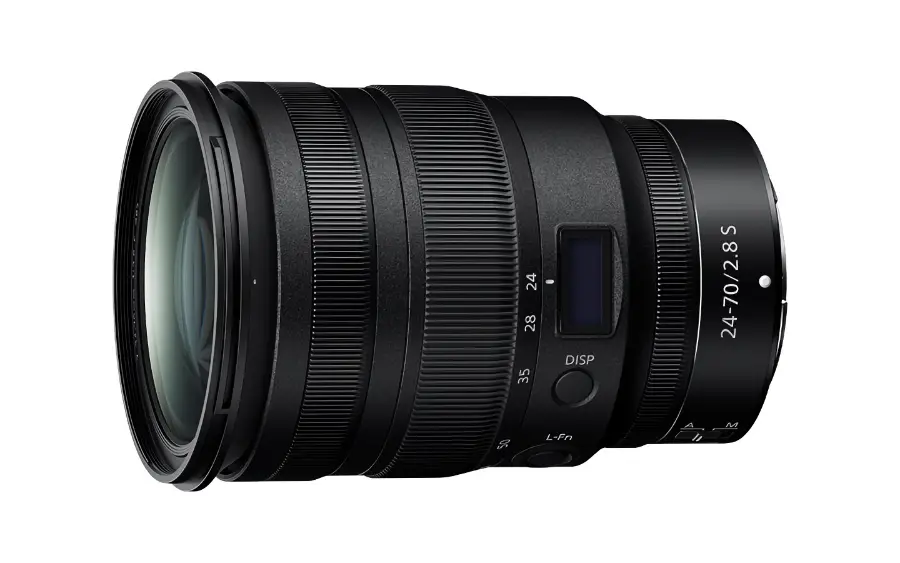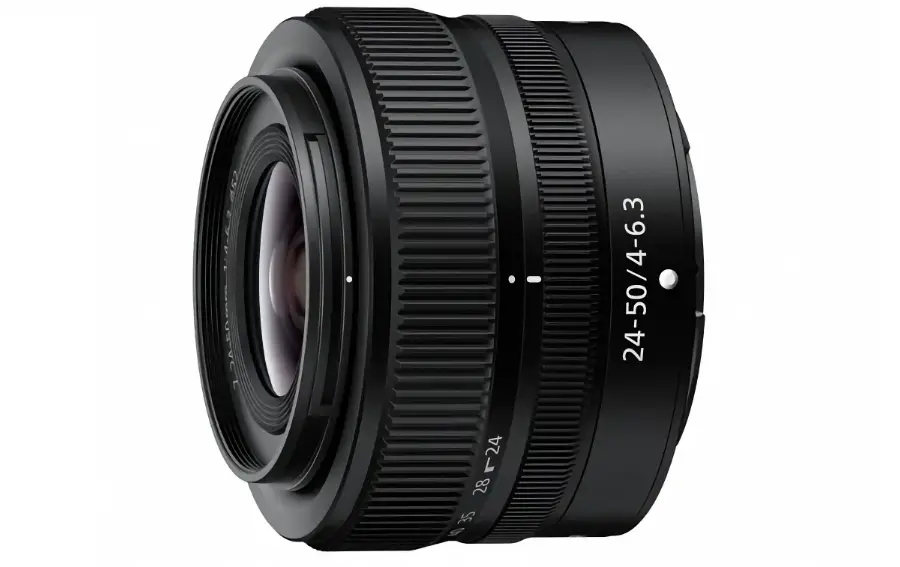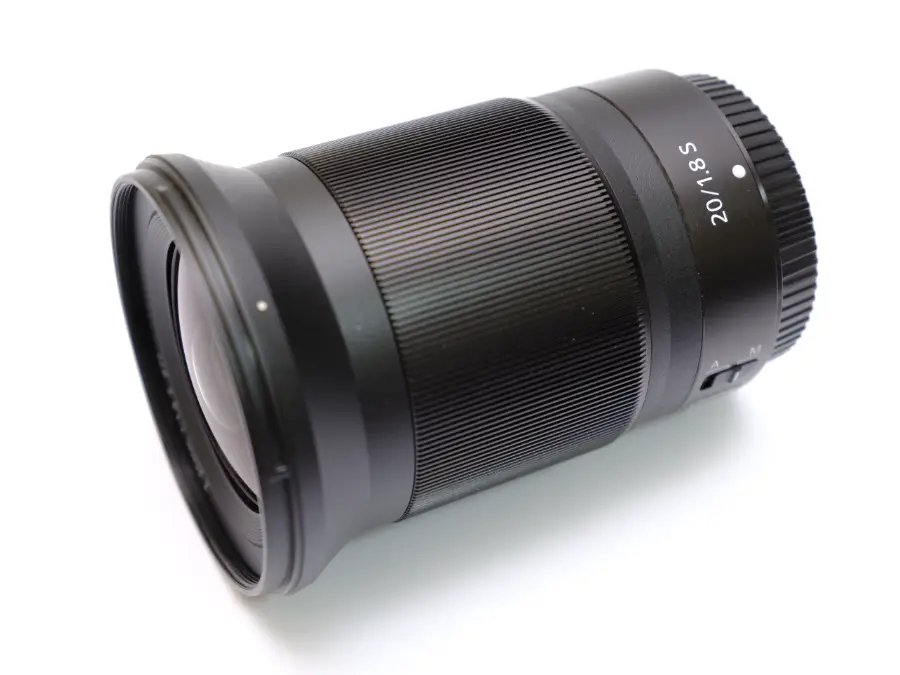

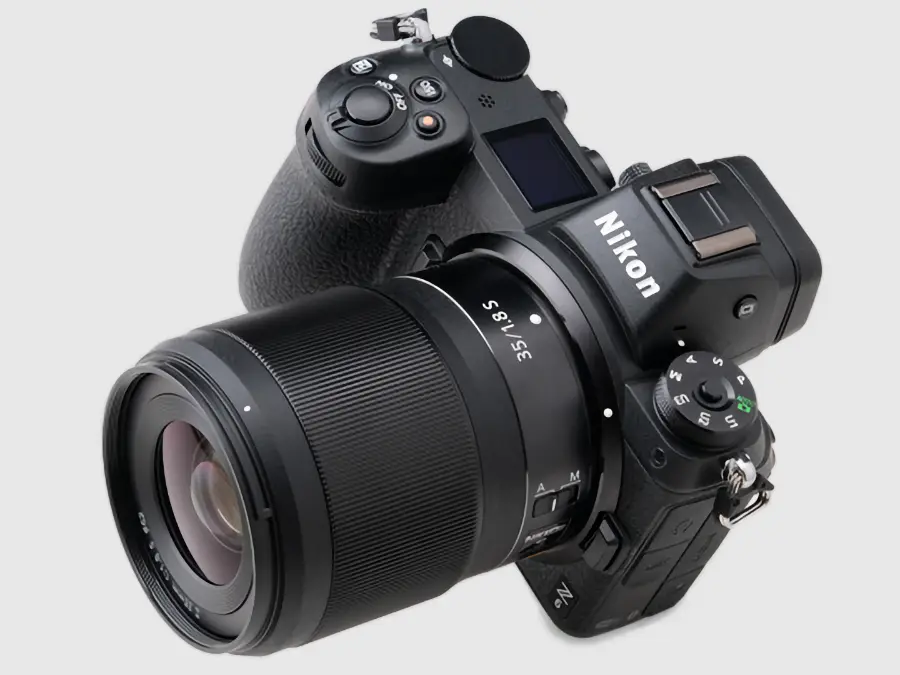
The Nikon Z6 II, a successor to the popular Z6, has evolved into a more powerful and versatile camera with numerous improvements. This review will delve into the Z6 II’s key features, performance, and real-world experience.
📊 Nikon Z6 II Detailed Specifications
| Specification | Details |
|---|---|
| Sensor | 24.5MP full-frame CMOS |
| Processor | Dual EXPEED 6 |
| ISO Range | 100-51,200 (expandable to 50-204,800) |
| Continuous Shooting | Up to 14fps |
| Autofocus | 273-point hybrid AF |
| Viewfinder | 0.5-inch 3.69M-dot OLED EVF |
| Monitor | 3.2-inch 2.1M-dot tilting LCD |
| Video | 4K UHD/60p, 1080/120p |
| Memory Cards | CFexpress Type B/XQD + UHS-II SD |
| Battery | EN-EL15c, 340-400 shots (CIPA) |
| Dimensions | 134 x 100.5 x 69.5 mm |
| Weight | 705g (body only) |
📊 Competitive Product Comparison

| Model | Nikon Z6 II | Sony A7 III | Canon EOS R6 | Panasonic S1 | Fujifilm X-T4 |
|---|---|---|---|---|---|
| Sensor | 24.5MP FF | 24.2MP FF | 20.1MP FF | 24.2MP FF | 26.1MP APS-C |
| Continuous Shooting | 14fps | 10fps | 20fps | 9fps | 15fps |
| Video | 4K/60p | 4K/30p | 4K/60p | 4K/60p | 4K/60p |
| AF Points | 273 | 693 | 1,053 | 225 | 425 |
| Dual Card Slots | Yes | Yes | Yes | Yes | Yes |
| IBIS | 5-axis 5.0 stops | 5-axis 5.0 stops | 5-axis 8.0 stops | 5-axis 6.0 stops | 5-axis 6.5 stops |
| Battery Life (CIPA) | 340-400 shots | 610 shots | 360 shots | 380 shots | 500 shots |
| Weight | 705g | 650g | 680g | 1,021g | 607g |
🖼️ Image Quality: Impressive Detail and Color
The Nikon Z6 II boasts a 24.5MP full-frame BSI CMOS sensor, delivering excellent detail reproduction and a wide dynamic range.
Color and Contrast

The Z6 II’s JPEG output is particularly impressive. Nikon’s color science remains outstanding, providing vibrant and natural colors. Reviewer Ken Rockwell achieved appealing results using the “Vivid” Picture Control setting with +3 saturation.
High Sensitivity Performance
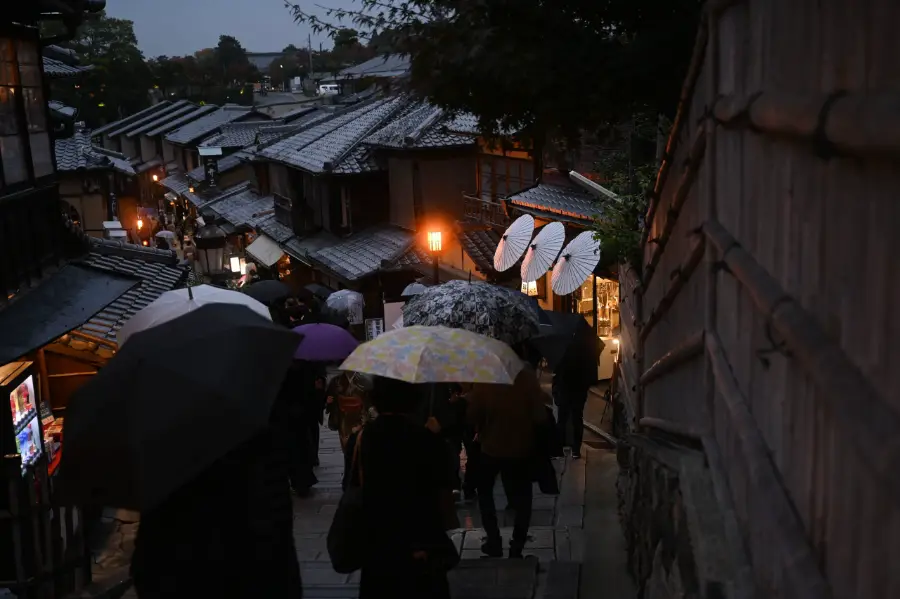
ISO performance is excellent. Noise is well-controlled up to ISO 6400, and even ISO 12800 produces usable images. This is a significant advantage for photographers working in low-light conditions.
The Flexibility of RAW Files

RAW files contain rich information, offering high flexibility during post-processing. Image quality degradation is minimal when adjusting exposure or color.
🚀 Performance: Fast and Accurate Shooting Experience

The Z6 II’s performance has significantly improved over its predecessor. The introduction of dual EXPEED 6 processors has enhanced overall responsiveness and buffer performance.
Continuous Shooting Speed
With a maximum continuous shooting speed of 14fps, you can capture fast-moving subjects without missing a moment. The increased buffer capacity allows for longer bursts of high-speed shooting.
Autofocus System

The Z6 II’s autofocus system offers 273 phase-detection AF points. With significantly improved AF algorithms, focusing is faster and more accurate than its predecessor. The enhanced Eye AF and Animal AF performance is particularly beneficial for portrait and wildlife photography.
Low-Light Performance
The camera provides low-light AF performance down to -4.5EV, allowing accurate focusing even in dim environments. This is a significant advantage for night photography or indoor shooting.
📹 Video Features: Upgraded to 4K 60p

The Z6 II has significantly improved its video recording capabilities. The most notable upgrade is the support for 4K 60p recording.
4K 60p Recording
4K 60p recording support allows for smoother and more detailed video capture. However, it’s worth noting that this feature applies a 1.5x crop, narrowing the field of view.
N-Log and HLG Support
10-bit N-Log and HLG (Hybrid Log-Gamma) support allow for a wider dynamic range and color information capture. This is particularly useful for professional video production.
Slow Motion Capabilities

The camera supports up to 120fps recording in Full HD resolution, enabling impressive slow-motion video creation.
🛠️ Build Quality and Ergonomics: Robust and Comfortable
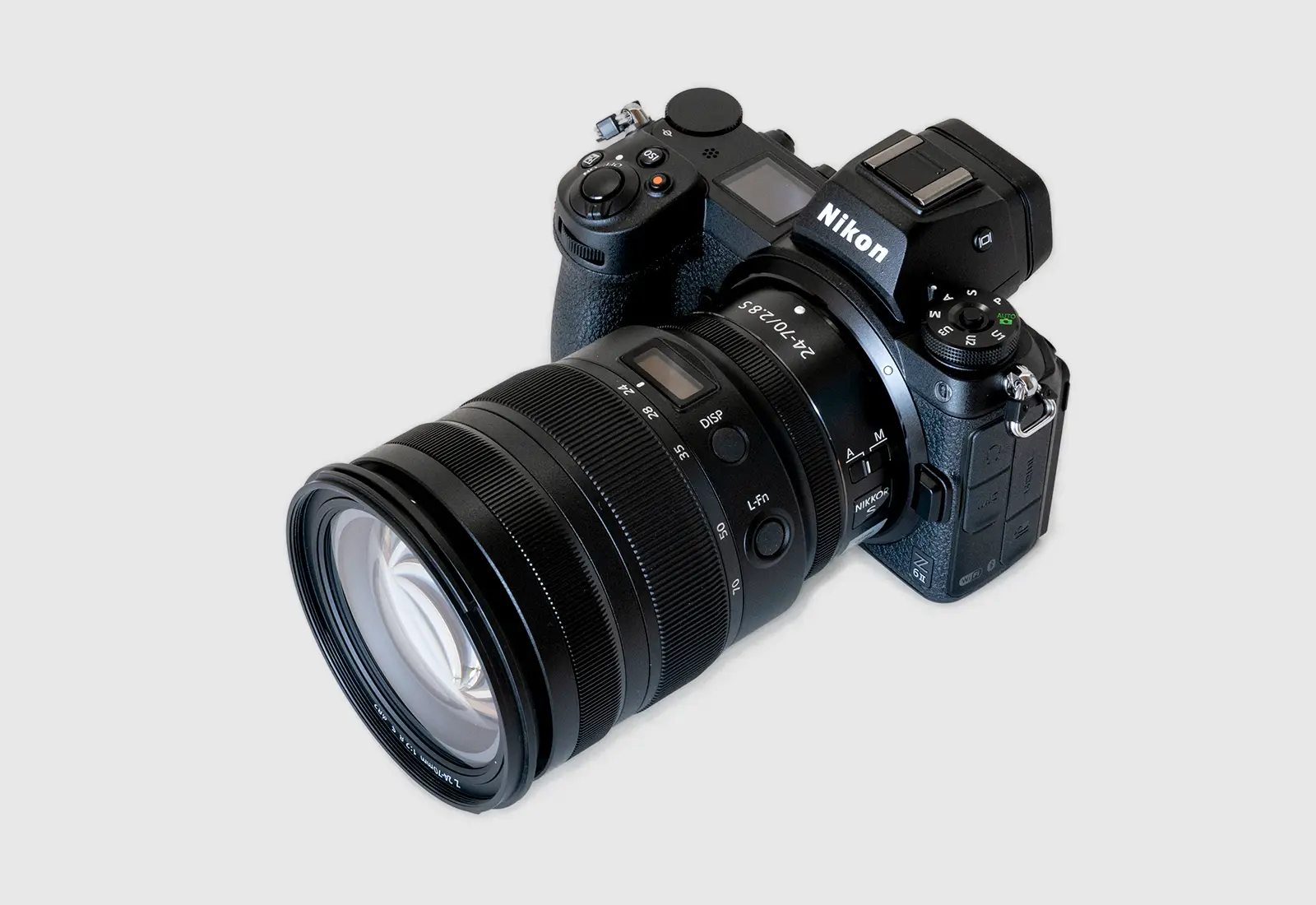
The Z6 II features a durable magnesium alloy body with effective weather-sealing. The grip is deep and comfortable, reducing fatigue during extended use.
Control Layout
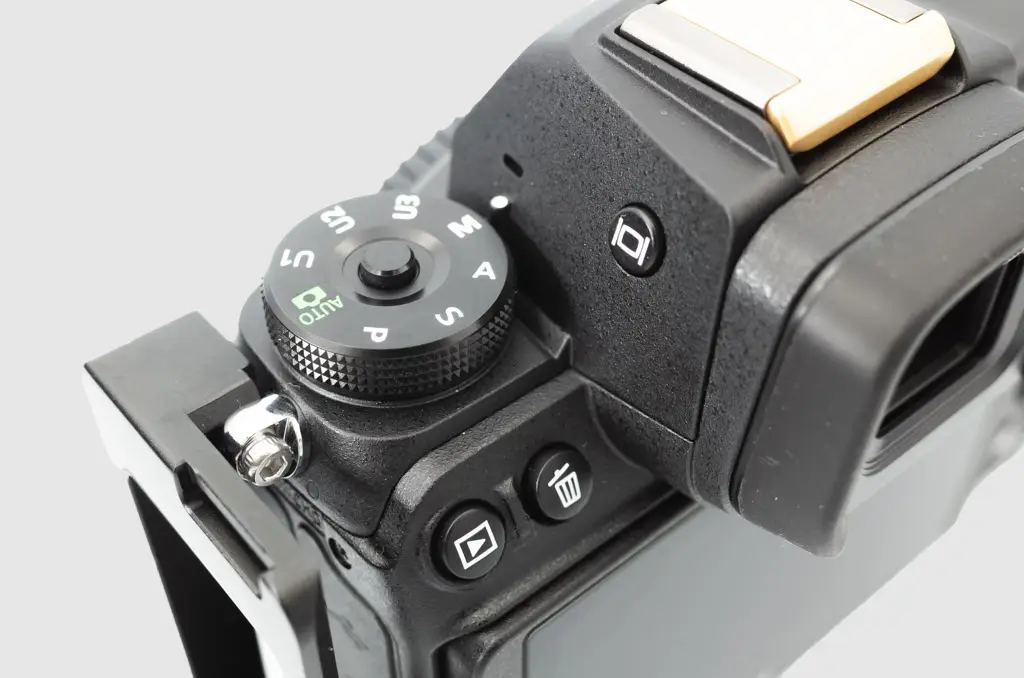
Button and dial placement is intuitive, allowing for quick and easy settings adjustments. However, some users may have differing opinions on the mode dial location or the placement of the playback/delete buttons.
EVF and LCD
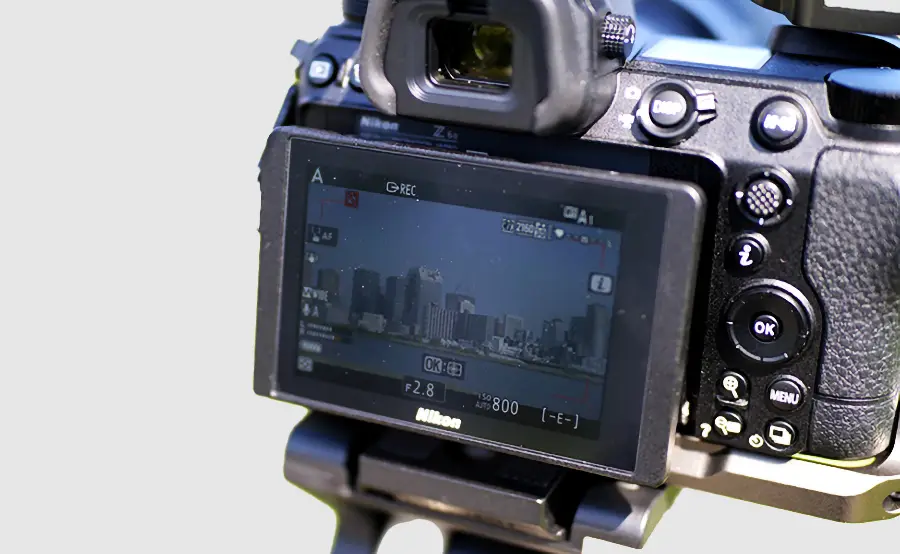
The 3.69M-dot OLED EVF is sharp and responsive. The 3.2-inch tilting LCD supports shooting from various angles, though it doesn’t fully articulate, which may be a drawback for some users.
🔋 Battery Life and Connectivity: Improved Endurance
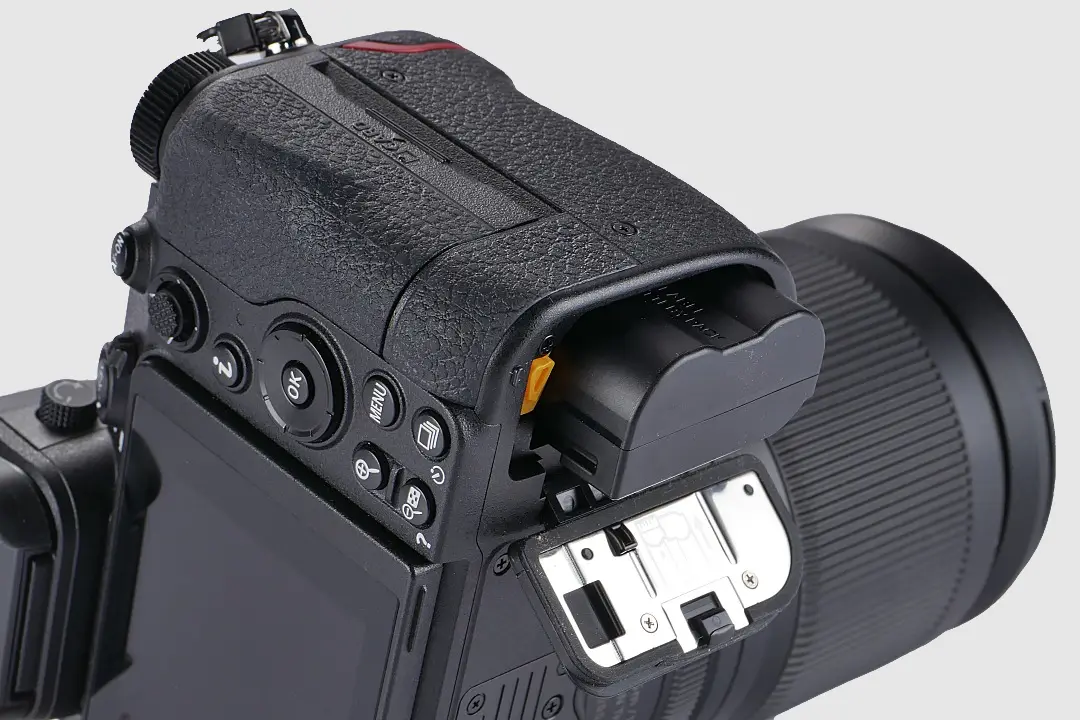
The Z6 II uses the new EN-EL15c battery, providing a CIPA-rated battery life of 340-400 shots. In real-world use, you can expect to capture many more shots per charge.
USB-C Charging
The camera supports charging and power delivery via USB-C, allowing for in-camera charging using external power banks.
Wireless Connectivity
Built-in Wi-Fi and Bluetooth enable easy connection to smartphones or tablets. Remote shooting and image transfer are possible through the Nikon SnapBridge app.
💾 Storage Options: Enhanced Reliability with Dual Card Slots
One of the Z6 II’s most significant improvements is the introduction of dual card slots, addressing a major concern many users had with the Z6.
CFexpress and SD Card Support
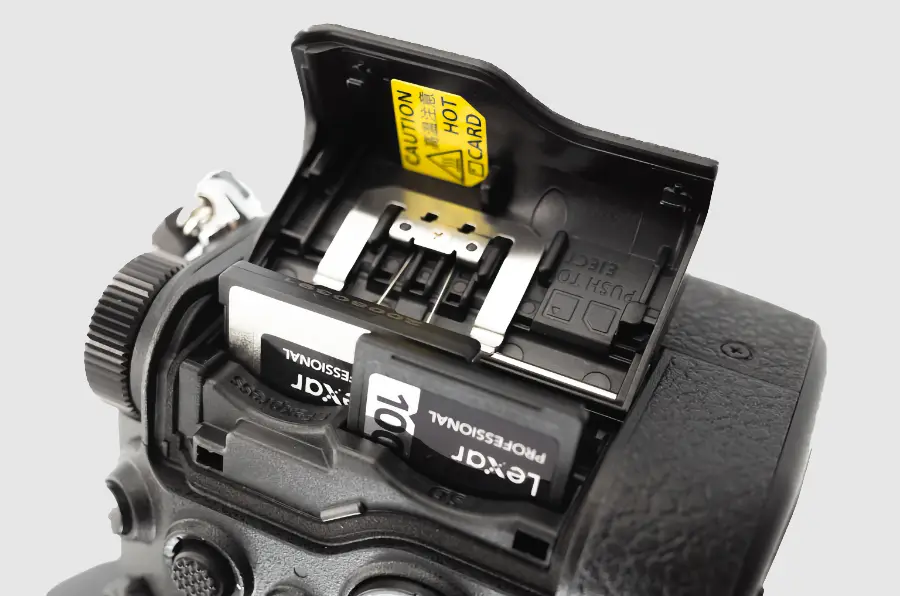
The Z6 II offers both a CFexpress Type B/XQD card slot and a UHS-II SD card slot. This provides users with more flexible storage options.
Various Recording Options
The dual card slots allow for various data storage methods:
- Simultaneous recording: Save identical data to both cards for backup
- Sequential recording: Automatically switch to the next card when one is full
- RAW+JPEG separation: Save RAW files to one card and JPEG files to another
These options are particularly crucial for professional photographers, significantly reducing the risk of data loss.
🔧 Customization: Personalized Shooting Experience
The Z6 II offers various customization options, allowing users to optimize the camera to their shooting style.
Custom Buttons
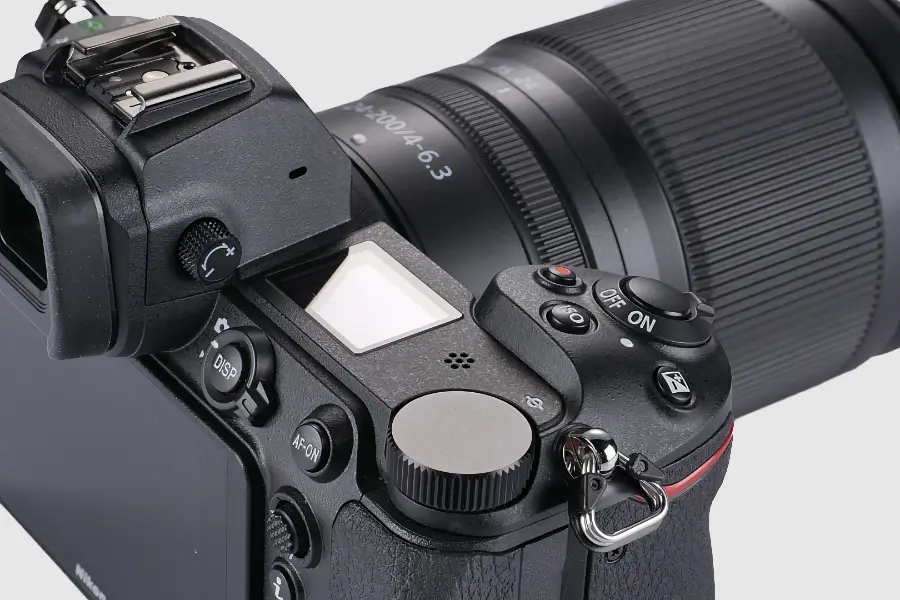
Several buttons on the camera can be assigned to functions of the user’s choice. For example, the Fn button can be set to control ISO or change white balance.
Custom Settings Menu
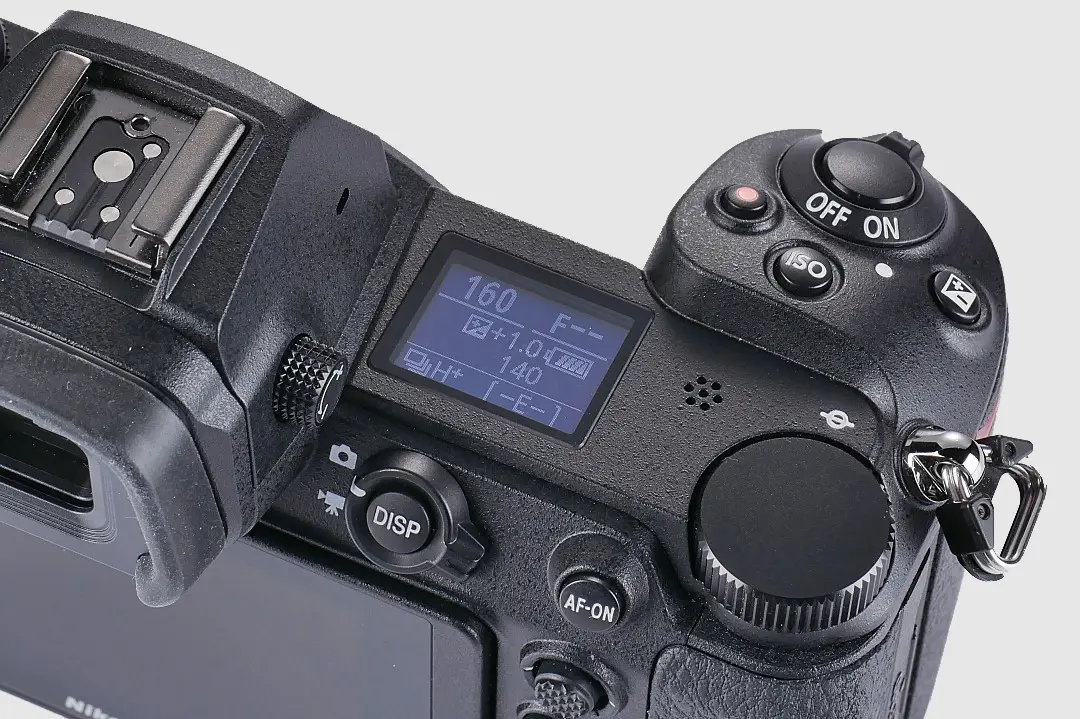
Frequently used menu items can be added to “My Menu” for quick access. This saves considerable time when changing settings during shoots.
Picture Control System
Nikon’s Picture Control system allows for fine-tuning of image color, contrast, and sharpness. Users can also create and save custom Picture Controls.
🔍 Optical Performance: Advantages of Z Mount Lenses
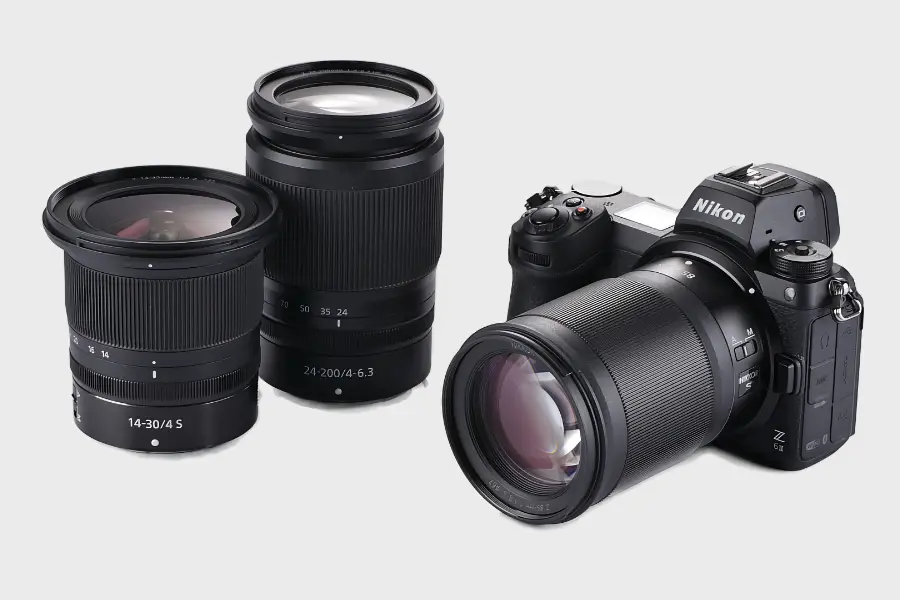
The Z6 II uses Nikon’s innovative Z mount system. This new mount, characterized by a wider diameter and shorter flange distance, opens up new possibilities in optical design.
Sharpness and Resolution

Z mount lenses generally offer exceptional sharpness and resolution across the entire sensor. This advantage is particularly noticeable in wide-angle lenses.
Chromatic Aberration and Distortion Control

Z lenses effectively control chromatic aberration and distortion. Combined with in-camera lens correction, this results in cleaner images.
F Mount Lens Compatibility
The FTZ adapter allows the use of existing F mount lenses on the Z6 II. However, autofocus may not be supported with some older lenses.
🌟 Real-World Experience: Performance in Various Shooting Scenarios
The Z6 II excels in various shooting situations. Let’s examine a few key scenarios based on real-world experience.
Landscape Photography

With its rich dynamic range and excellent resolution, the Z6 II is well-suited for landscape photography.
- The wide ISO range and effective noise control deliver excellent performance in low-light conditions, such as dawn or sunset.
- Weather-sealing provides peace of mind during outdoor shoots.
Portrait Photography
The improved Eye AF system is a significant advantage for portrait photography.
- Fast and accurate eye detection allows for easy capture of moving subjects.
- Natural skin tone rendering produces attractive portrait images.
Sports/Action Photography
The 14fps high-speed continuous shooting and improved AF tracking make the Z6 II suitable for sports or wildlife photography.
- Wide AF coverage and fast tracking capabilities ensure you don’t miss moving subjects.
- Large buffer capacity allows for longer continuous shooting sessions.
Video Production
4K 60p support and features like N-Log and HLG make the Z6 II suitable for professional video production.
- Internal 10-bit recording captures rich color information.
- IBIS (In-Body Image Stabilization) allows for stable handheld shooting.
💡 Product Pros and Cons Analysis
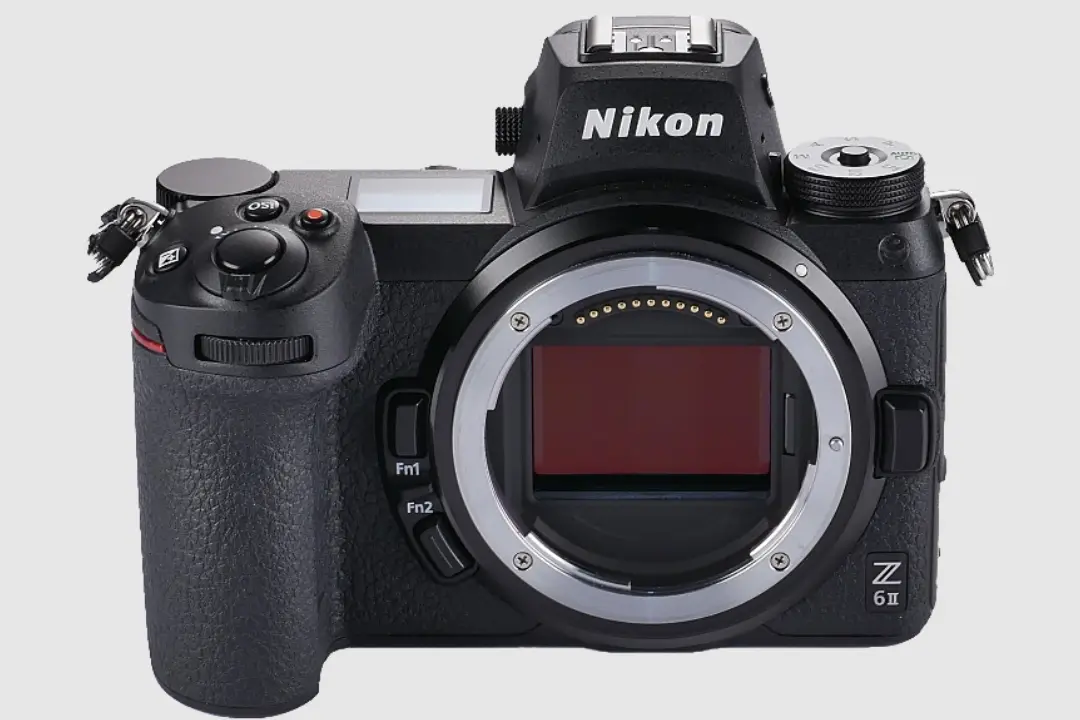
While the Z6 II has many strengths, it also has a few drawbacks. Let’s examine these for an objective assessment.
Pros
- Excellent image quality: Rich detail, wide dynamic range, superior color reproduction
- Improved autofocus performance: Fast and accurate AF, enhanced eye AF and tracking performance
- Dual card slots: Simultaneous support for CFexpress and SD cards increases flexibility
- 4K 60p video: Enables high-quality video production
- Robust build quality: Weather-sealing ensures durability
- Z mount system: High-quality lens lineup and excellent optical performance
Cons
- 1.5x crop applied when shooting 4K 60p: Narrows the field of view
- EVF resolution: Lower compared to some competing models
- LCD screen: Tilt-only design, not fully articulating
- Battery life: Slightly shorter compared to competing models
- Focus point selection: Some users may find changing AF points inconvenient
🏁 Conclusion: Who is this Camera For?
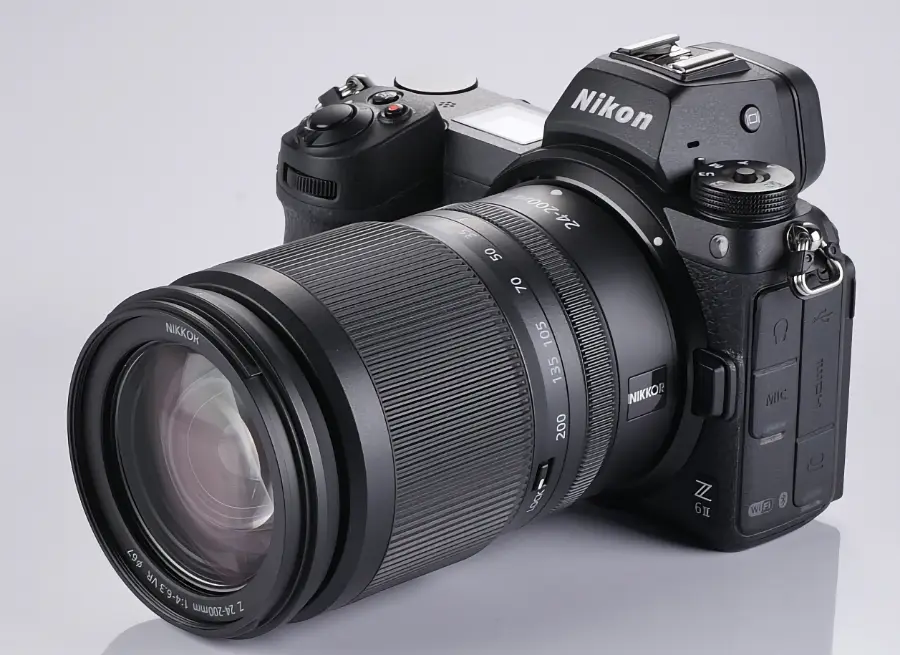
The Nikon Z6 II is an extremely well-balanced full-frame mirrorless camera overall. Its excellent image quality, improved autofocus performance, and enhanced video capabilities make it suitable for a wide range of shooting scenarios.
Recommended For
- Hybrid shooters who want high-quality stills and video
- Event or wedding photographers who require good low-light performance
- Landscape or studio photographers
- Existing Nikon DSLR users looking to transition to mirrorless
Not Recommended For
- Commercial studio photographers who need ultra-high resolution images (consider the Z7 II instead)
- Sports photographers requiring extreme burst performance
- Travel photographers who prefer a lighter camera
Overall, the Nikon Z6 II is a high-performance mirrorless camera suitable for both professionals and passionate amateurs. It addresses most of its predecessor’s shortcomings and significantly improves performance, securing an important position in Nikon’s mirrorless lineup. We highly recommend the Z6 II for users seeking high-quality images, excellent AF performance, and robust build quality.
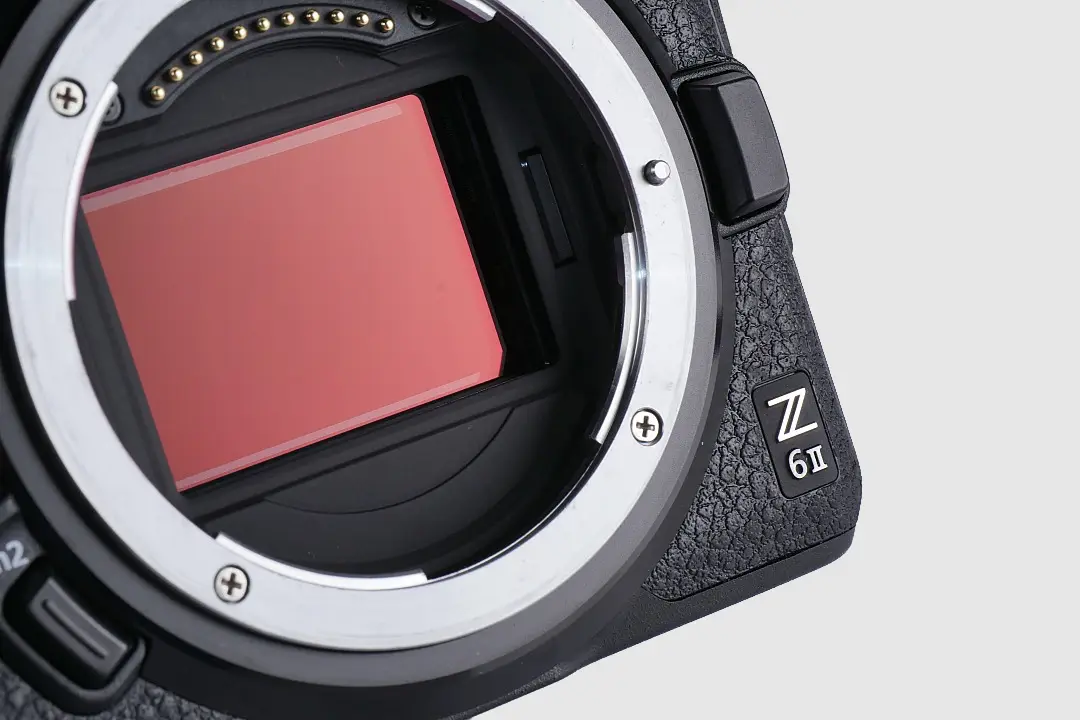
As camera choice depends on individual shooting style and requirements, it’s best to try it out personally before making a decision. The Nikon Z6 II is certainly a camera worth considering.
Learn more about the Z6 II on Nikon’s official website
We hope this review has enhanced your understanding of the Nikon Z6 II and aids in your purchase decision. If you have any additional questions or comments, please feel free to leave them below!