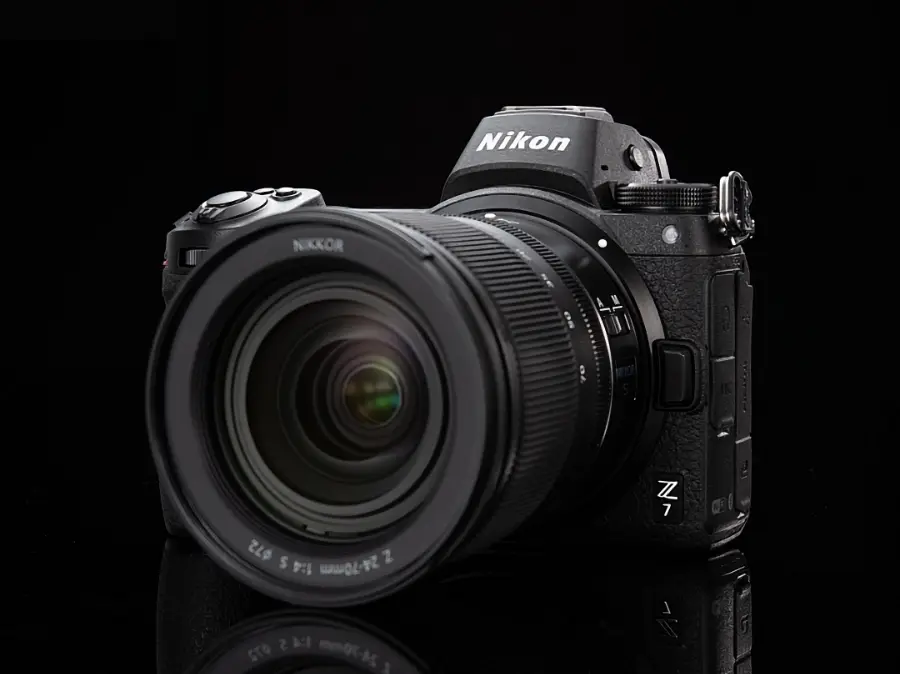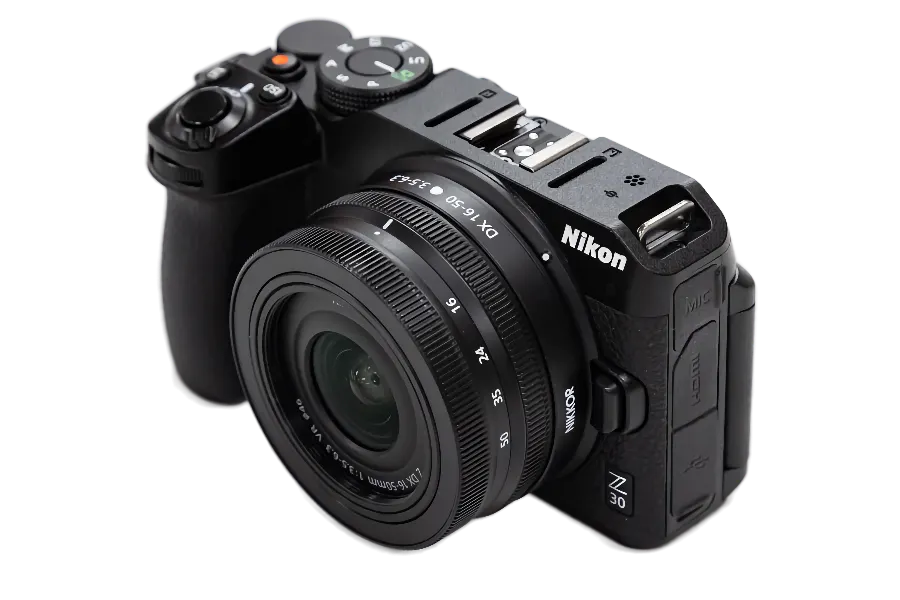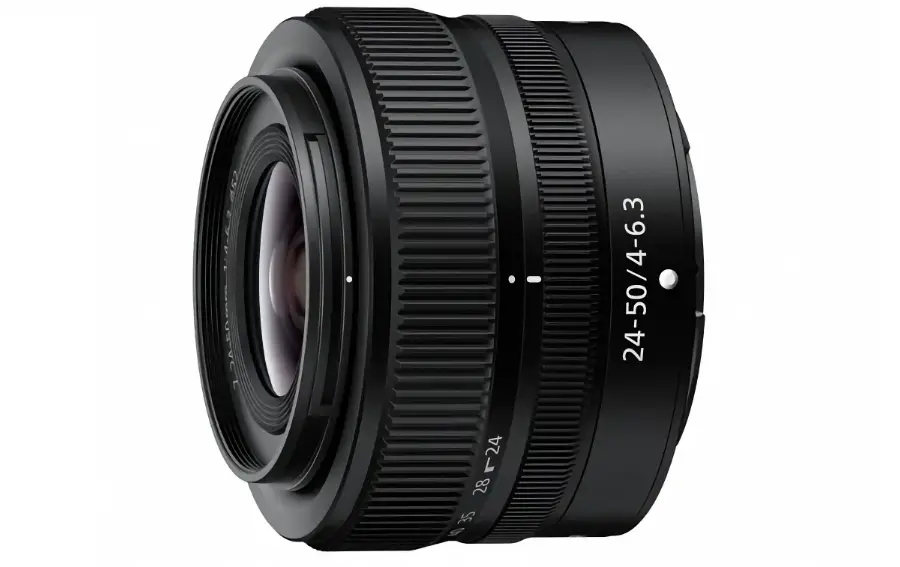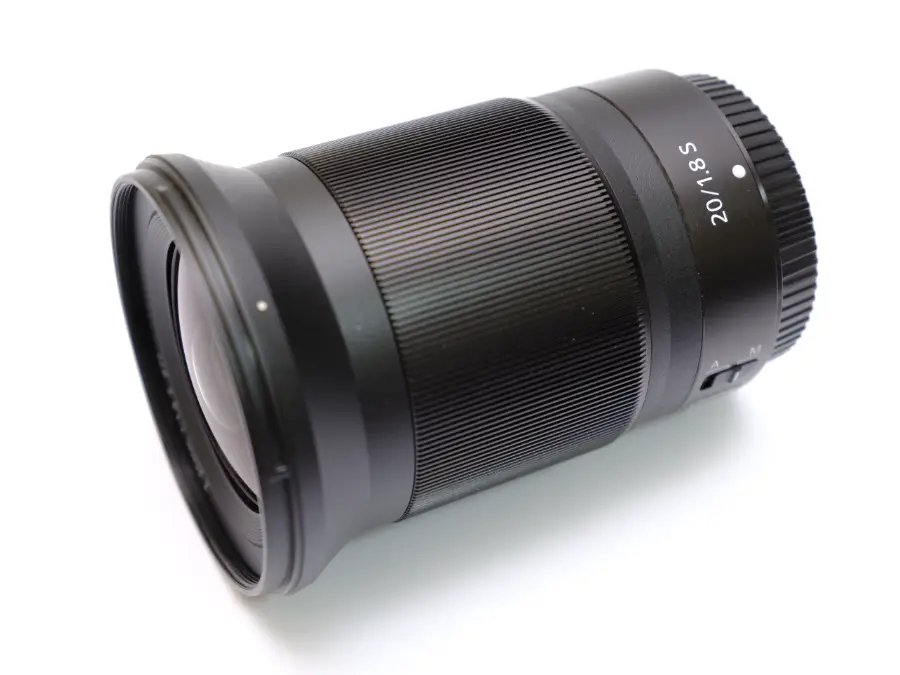

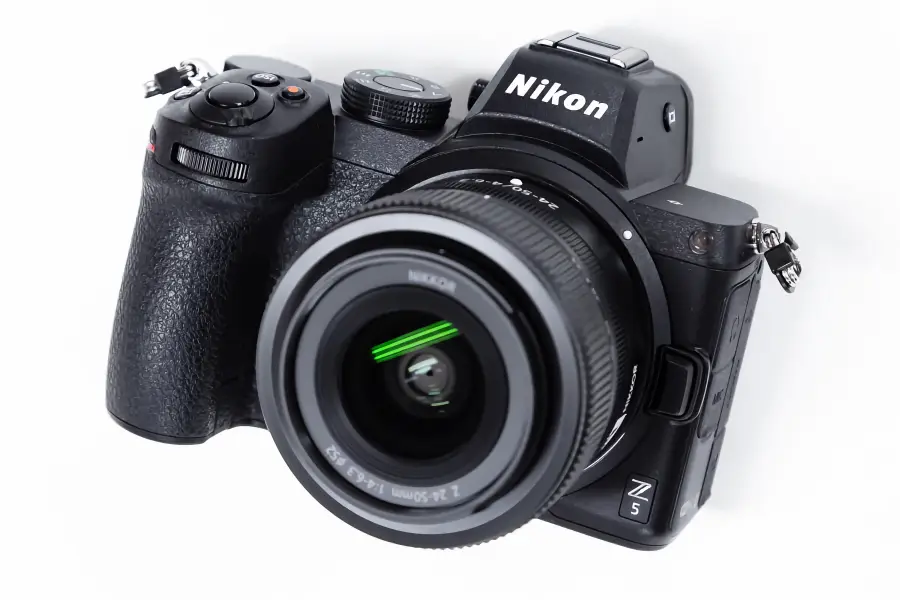
The Nikon Z5 is Nikon’s most affordable full-frame mirrorless camera, offering excellent image quality and performance at a reasonable price. With a 24.3MP full-frame sensor, 5-axis image stabilization, and dual SD card slots, this camera is packed with features that can satisfy a wide range of users from beginners to intermediate photographers. In this review, we’ll take a detailed look at the Z5’s key features, pros and cons, and how it compares to its competitors.
Nikon Z5 Key Specifications
| Specification | Details |
|---|---|
| Sensor | 24.3MP full-frame CMOS |
| Image Processor | EXPEED 6 |
| Autofocus System | 273-point hybrid AF |
| Viewfinder | 3.69M-dot OLED EVF |
| Monitor | 3.2-inch 1.04M-dot tilting touch LCD |
| Continuous Shooting | Up to 4.5fps |
| Video | 4K 30p (1.7x crop), 1080/60p |
| Image Stabilization | 5-axis in-body stabilization |
| Storage Media | Dual SD UHS-II slots |
| Connectivity | Wi-Fi, Bluetooth |
| Battery | EN-EL15c, approx. 470 shots |
| Dimensions | 134 x 100.5 x 69.5 mm |
| Weight | 675g (including battery and memory card) |
🎨 Excellent Image Quality and Performance
The Nikon Z5 features a 24.3MP full-frame sensor and EXPEED 6 image processor, delivering excellent image quality. It leverages the advantages of a full-frame sensor to provide a wide dynamic range and superior low-light performance.
The Full-Frame Advantage

The full-frame sensor offers a wider field of view and shallower depth of field compared to APS-C sensors. This is a significant advantage in landscape and portrait photography. The Z5 allows users to experience the benefits of a full-frame camera at a reasonable price point.
High Sensitivity Performance

The Nikon Z5 offers a native ISO range of 100-51200, expandable to ISO 102400. In real-world use, clean images with minimal noise can be achieved up to ISO 6400, and usable images can be obtained at even higher ISOs with post-processing.
RAW File Flexibility

The 14-bit RAW files offer high flexibility in post-processing. Even if there are exposure or white balance errors, they can be easily corrected using RAW files. This is a significant advantage for professional photographers or users who enjoy post-processing.
📸 Effective Autofocus System

The Nikon Z5 features a 273-point hybrid AF system. This system provides fast and accurate focusing, with particularly effective eye-detection AF for portrait shooting.
Wide Focus Coverage
The AF system covers 90% of the sensor area, offering great freedom in composition. Subjects at the edges of the frame can be easily focused on, allowing for versatility in various shooting situations.
Human and Animal Eye AF
The Z5’s eye detection AF recognizes and focuses on the eyes of both humans and animals. This is particularly useful for portrait and pet photography. However, some users note that quickly turning the face/eye detection feature on and off can be challenging.
Low-Light AF Performance
The low-light AF performance, which operates down to -3EV, ensures accurate focusing even in dark environments. However, the lack of an AF assist light might make focusing slightly difficult in extremely dark conditions. In such situations, manual focus or external lighting can be helpful.
🔋 Battery Performance and Power Options
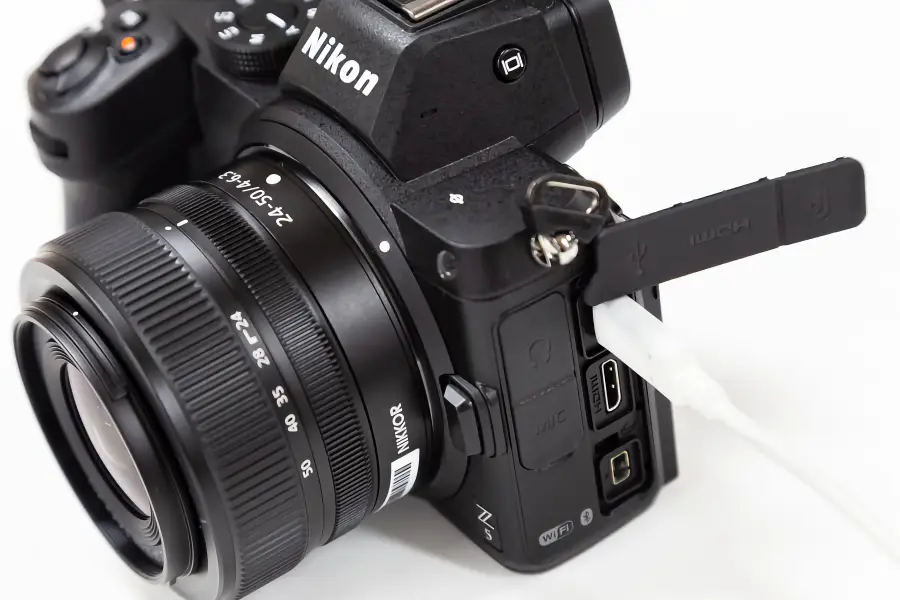
The Nikon Z5 uses the EN-EL15c battery, which provides approximately 470 shots per charge according to CIPA standards. In real-world use, it’s possible to capture even more images, offering sufficient battery capacity for general use.
USB-C Charging and Power Supply
The camera can be charged or powered via its USB-C port. This is particularly useful for long shooting sessions or when traveling. Using a USB PD (Power Delivery) compatible charger allows for faster charging.
Battery Grip Option
An optional battery grip can double the battery capacity and improve ergonomics for vertical shooting. This accessory is useful for professionals or enthusiastic amateurs who need extended shooting times.
🎥 Video Recording Capabilities

The Nikon Z5 supports 4K 30p video recording. However, the 1.7x crop applied in 4K shooting is a drawback. Video functionality is considered one of the Z5’s main weaknesses.
High-Quality 1080p Video
In 1080p resolution, the camera can shoot up to 60fps without cropping, and the quality is excellent. This should be sufficient for most general video recording needs. Full HD recording uses the entire sensor area, providing a wider field of view.
External Microphone and Headphone Support
The camera supports 3.5mm microphone input and headphone output, allowing for high-quality audio recording and monitoring. This provides basic functionality for more professional video production.
Video AF Performance
Phase-detection AF is available in video mode, allowing for smooth and accurate focus transitions. However, it may not be sufficient for professional video production, and the 4K crop is a limitation in terms of field of view.
📱 Connectivity and Ease of Use
The Nikon Z5 features built-in Wi-Fi and Bluetooth for easy connection to smartphones. The Nikon SnapBridge app allows for photo transfer and remote shooting.
Intuitive User Interface
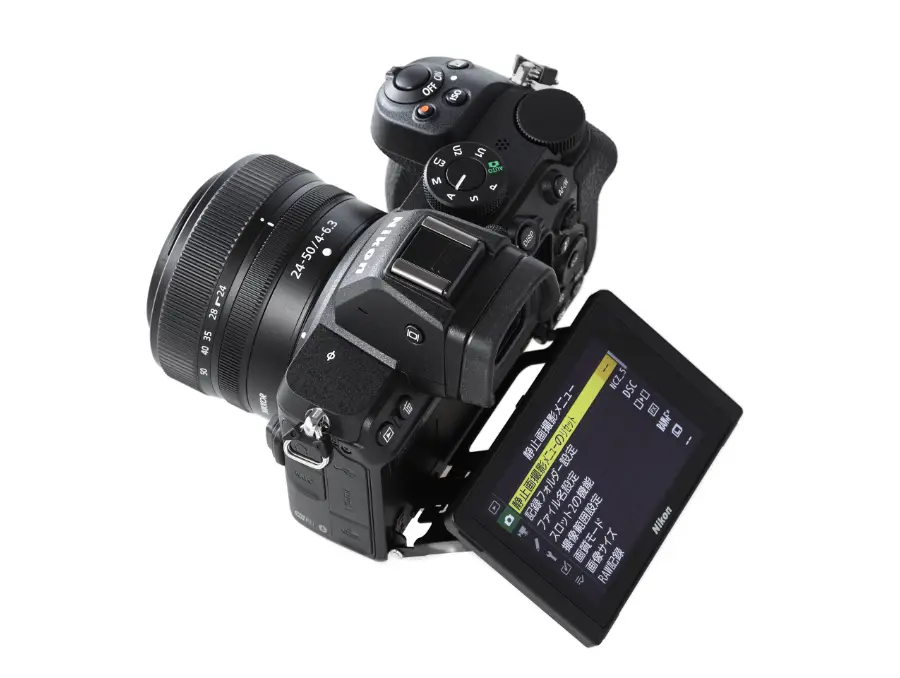
The interface, which combines a touchscreen with physical buttons, is easy to use even for beginners. Nikon DSLR users will find it particularly familiar. Custom settings allow quick access to frequently used functions, enabling efficient shooting.
Dual SD Card Slots
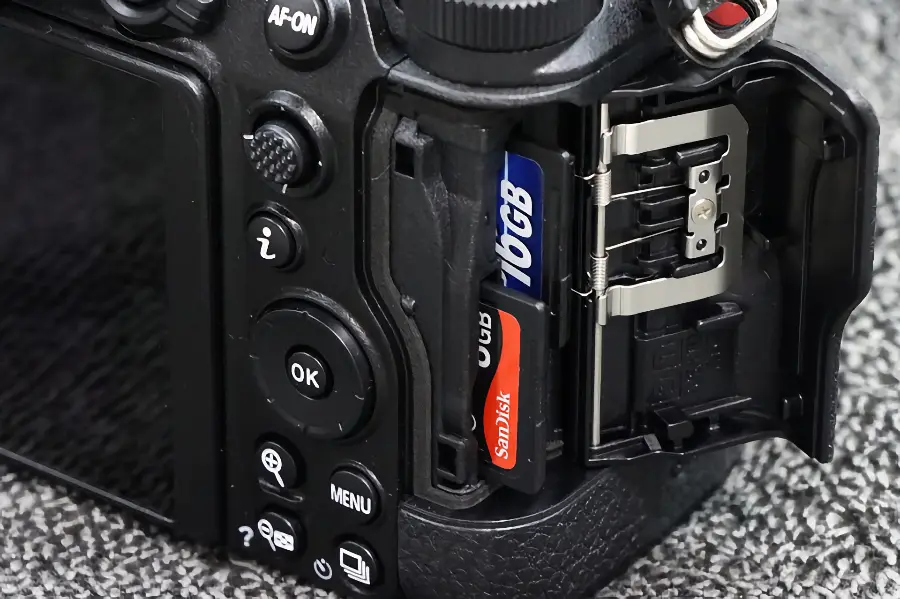
The two SD card slots offer various options such as backup storage or separate RAW/JPEG storage. They support UHS-II cards for fast data transfer. This is an uncommon feature in entry-level full-frame cameras and is one of the Z5’s major advantages.
💪 Durability and Portability
The Nikon Z5 boasts high durability with its magnesium alloy body and moisture/dust resistant design. Weighing 675g with a compact size, it also offers good portability.
Weather-Resistant Design
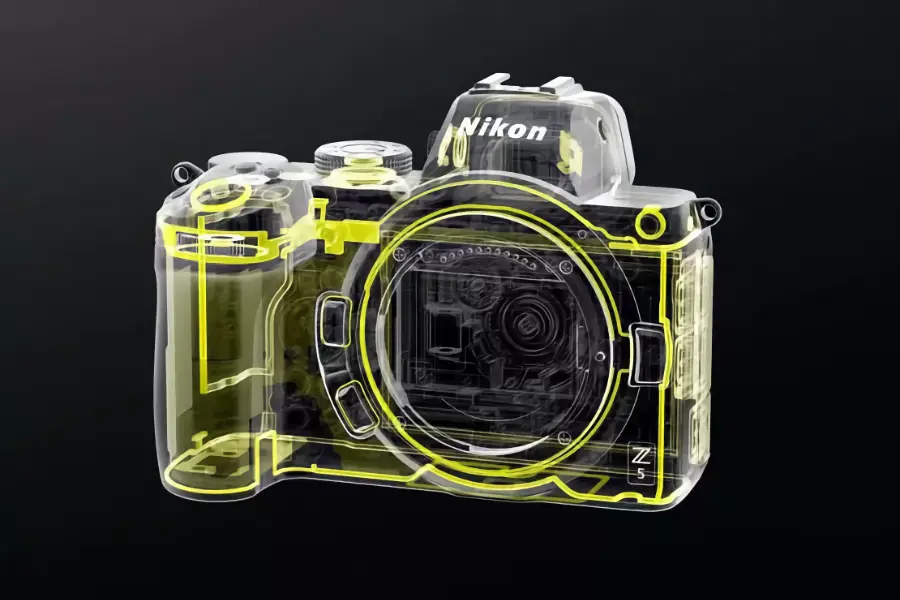
The camera can be used with confidence in unfavorable weather conditions. However, it’s not completely waterproof, so caution is needed in extreme conditions. Some users note that rubber covers may deform over time, requiring attention during long-term use.
Ergonomic Grip
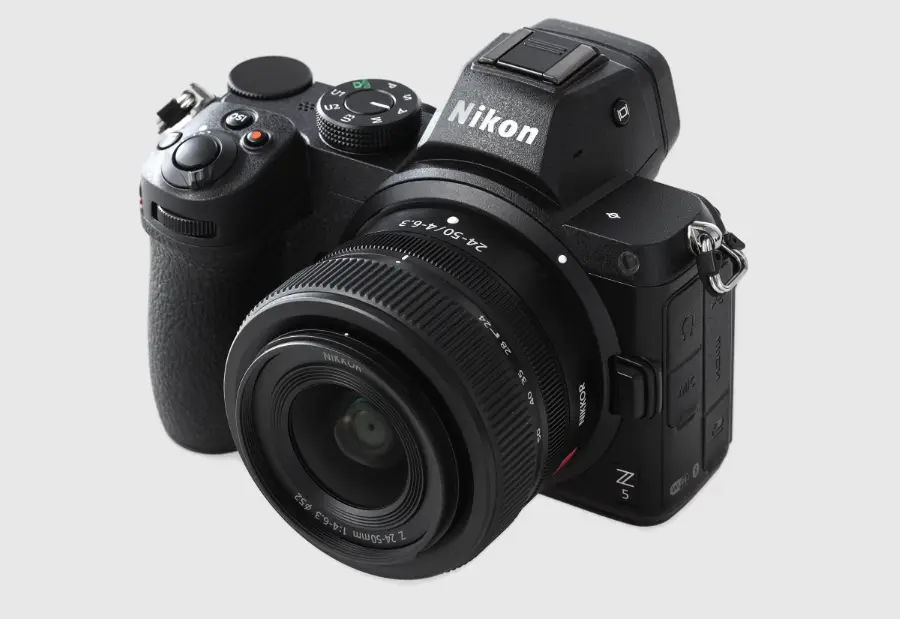
The deep, comfortable grip reduces fatigue during long shooting sessions. It provides stable balance even when using large lenses. This reflects Nikon’s long-standing expertise in camera design.
🔍 Viewfinder and Monitor
The Nikon Z5 features a 3.69M-dot OLED electronic viewfinder (EVF) and a 3.2-inch 1.04M-dot tilting touch LCD.
High-Resolution EVF

The EVF provides clear and natural images with a 0.8x magnification, offering a sufficiently large view. Users transitioning from DSLRs to mirrorless can make use of various features like exposure preview and focus peaking.
Tilting Touch LCD
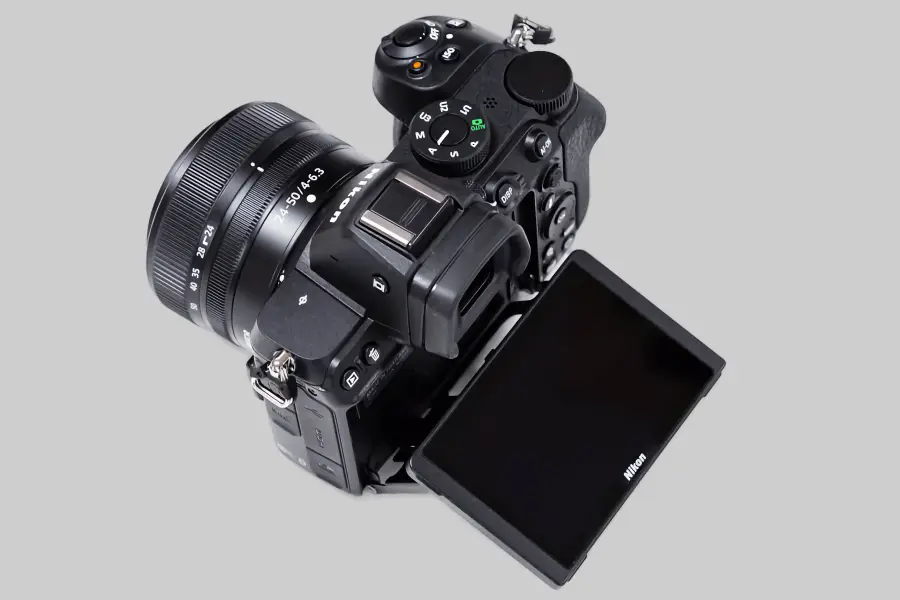
The vertically tilting LCD is useful for low-angle or high-angle shooting. It supports touch operation for intuitive control, including touch AF and touch shutter. However, the lack of a fully articulating screen might be a drawback for some users.
📷 Lens Compatibility
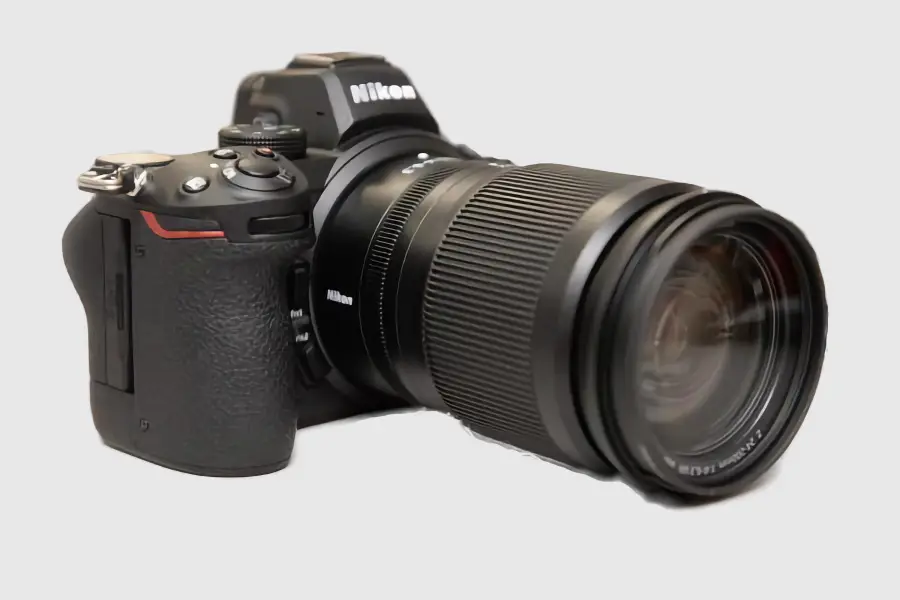
The Nikon Z5 primarily uses Z mount lenses but can also use F mount lenses via the FTZ adapter.
Advantages of Z Mount Lenses
Z mount lenses leverage the large diameter and short flange distance to provide excellent optical performance. They offer particularly good edge sharpness. Compact prime lenses like the Nikon Z 40mm F2 pair well with the Z5 and provide excellent image quality.
FTZ Adapter Compatibility
The FTZ adapter allows the use of most F mount lenses. However, only AF-S, AF-P, and AF-I lenses support autofocus, while older AF lenses are limited to manual focus. This might be inconvenient for some users.
Third-Party Lens Support
With Nikon recently allowing third-party manufacturers access to the Z mount, companies like Tamron are now releasing Z mount lenses. This provides users with more lens options and increases the system’s expandability.
🆚 Comparison with Competitors
The Nikon Z5’s main competitors include the Canon EOS RP, Sony A7 III, and Nikon Z6 II. Let’s compare the Z5 with each to highlight its strengths and weaknesses.
Comparison with Canon EOS RP

- Sensor: Z5 (24.3MP) vs EOS RP (26.2MP) - Similar level
- Autofocus: Z5 (273 points) vs EOS RP (4779 points) - EOS RP offers more points
- Continuous shooting: Z5 (4.5fps) vs EOS RP (5fps) - Similar level
- Image stabilization: Z5 (in-body) vs EOS RP (lens-dependent) - Z5 is superior
- Battery performance: Z5 (470 shots) vs EOS RP (250 shots) - Z5 is superior
Overall, the Z5 offers better specs, but the EOS RP is priced lower. The Z5 leads in practicality with its in-body stabilization and better battery performance.
Comparison with Sony A7 III

- Sensor: Z5 (24.3MP) vs A7 III (24.2MP) - Similar level
- Autofocus: Z5 (273 points) vs A7 III (693 points) - A7 III is superior
- Continuous shooting: Z5 (4.5fps) vs A7 III (10fps) - A7 III is superior
- Video: Z5 (4K 30p, 1.7x crop) vs A7 III (4K 30p, full-frame) - A7 III is superior
- Battery performance: Z5 (470 shots) vs A7 III (710 shots) - A7 III is superior
The A7 III offers higher overall performance but at a higher price. The Z5 has an advantage in terms of value and may be more attractive to users familiar with Nikon systems.
Comparison with Nikon Z6 II

- Sensor: Z5 (24.3MP) vs Z6 II (24.5MP) - Similar level
- Autofocus: Z5 (273 points) vs Z6 II (273 points) - Identical
- Continuous shooting: Z5 (4.5fps) vs Z6 II (14fps) - Z6 II is superior
- Video: Z5 (4K 30p, 1.7x crop) vs Z6 II (4K 60p, full-frame) - Z6 II is superior
- Dual processors: Z5 (single) vs Z6 II (dual) - Z6 II is superior
The Z6 II offers higher performance but at a higher price. For general photography, the Z5 is sufficient, and it may be a more economical choice for users who don’t prioritize video shooting or high-speed continuous shooting.
📊 Pros and Cons of the Nikon Z5
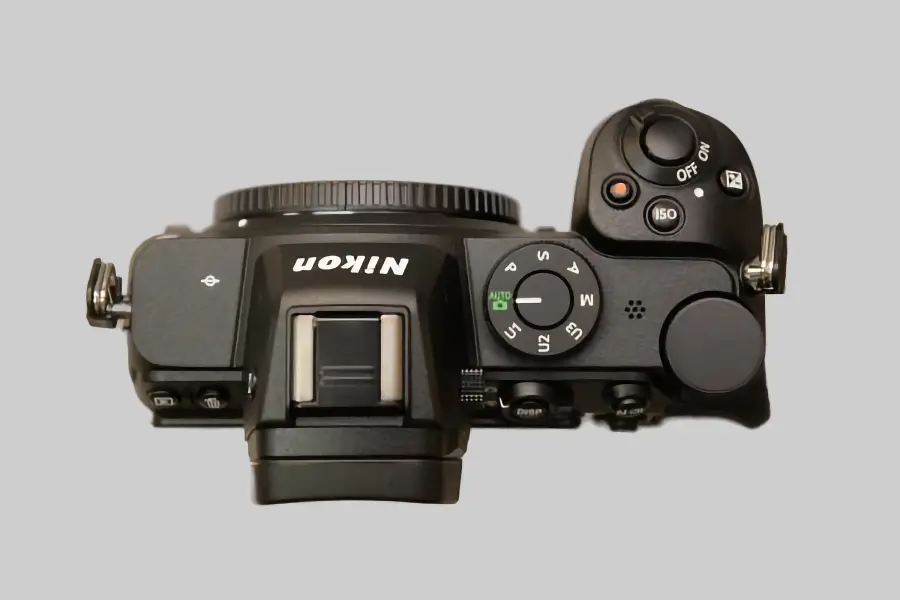
Pros
- Excellent image quality and high ISO performance
- Effective 5-axis in-body image stabilization
- Dual SD card slots
- Excellent dust and moisture resistance
- Reasonable price
- Intuitive operation and ergonomic design
- Entry point to experience full-frame advantages
Cons
- Limited continuous shooting speed (4.5fps)
- 1.7x crop applied when shooting 4K video
- Lack of built-in flash
- Limited compatibility with some older lenses
- Video features are limited compared to competitors
🏁 Conclusion: Nikon Z5 Purchase Recommendation
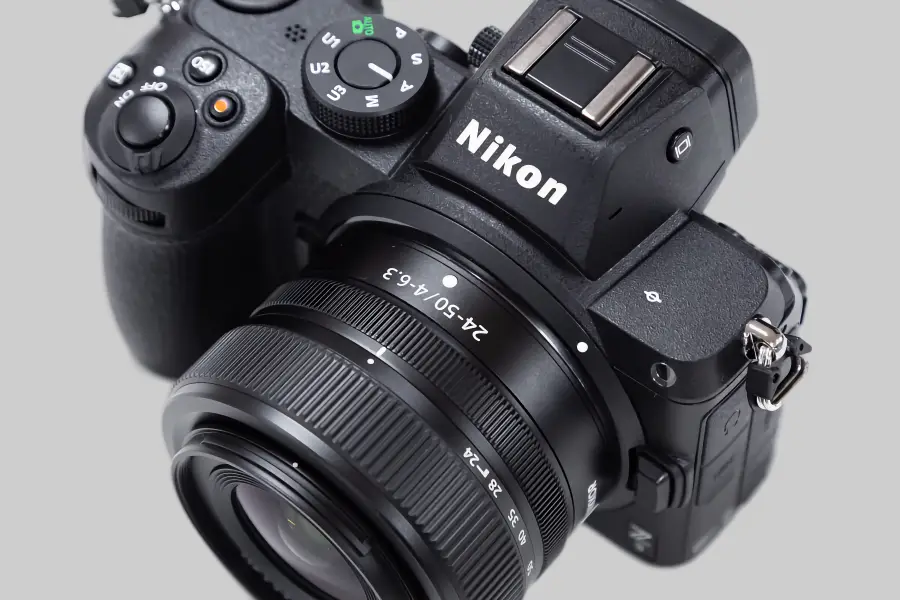
The Nikon Z5 is a full-frame mirrorless camera that offers excellent image quality and performance at a reasonable price. It has a range of features that can satisfy users from beginners to intermediate levels, and it particularly excels in shooting static subjects.

It’s suitable for various genres of photography including landscapes, portraits, and travel. The 5-axis image stabilization and excellent high ISO performance are particularly helpful in various shooting environments. The dual SD card slots and weather-resistant design enhance its practicality.
However, it may be somewhat limited for situations requiring fast continuous shooting, such as sports or wildlife photography, or for professional video production. If these are your primary uses, you might want to consider the Z6 II or higher-end models from other brands.
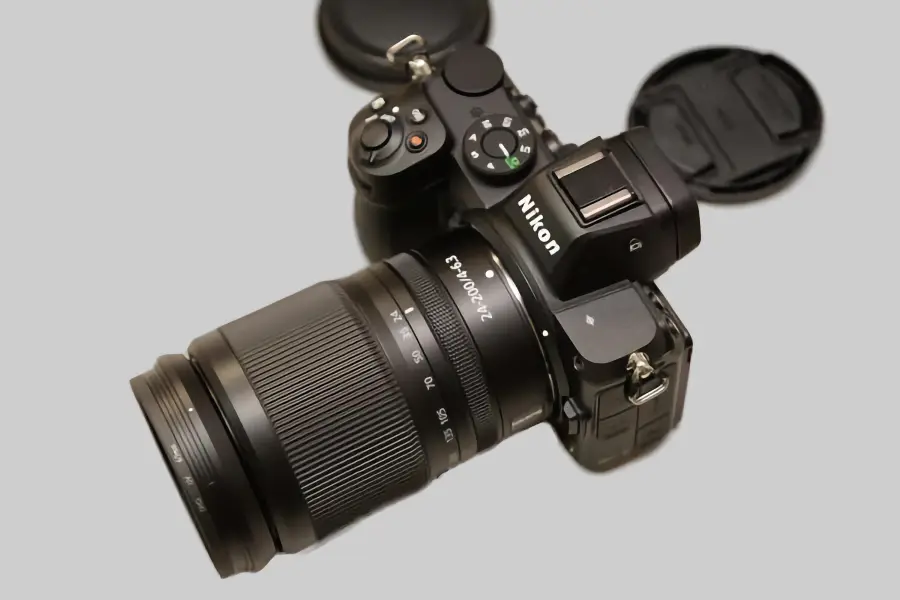
The Z5 is an excellent model for entering Nikon’s mirrorless system, and you can expand your system by purchasing additional Z mount lenses in the future. It’s particularly recommended for users who want to experience the advantages of a full-frame camera but have a limited budget.
In conclusion, the Nikon Z5 is an excellent choice for users looking for a high-value full-frame mirrorless camera. With its excellent image quality, effective image stabilization, dual card slots, and other key features, it can meet the demands of most photography enthusiasts. We invite you to experience the allure of full-frame photography with this camera, which embodies Nikon’s long-standing expertise in camera manufacturing.