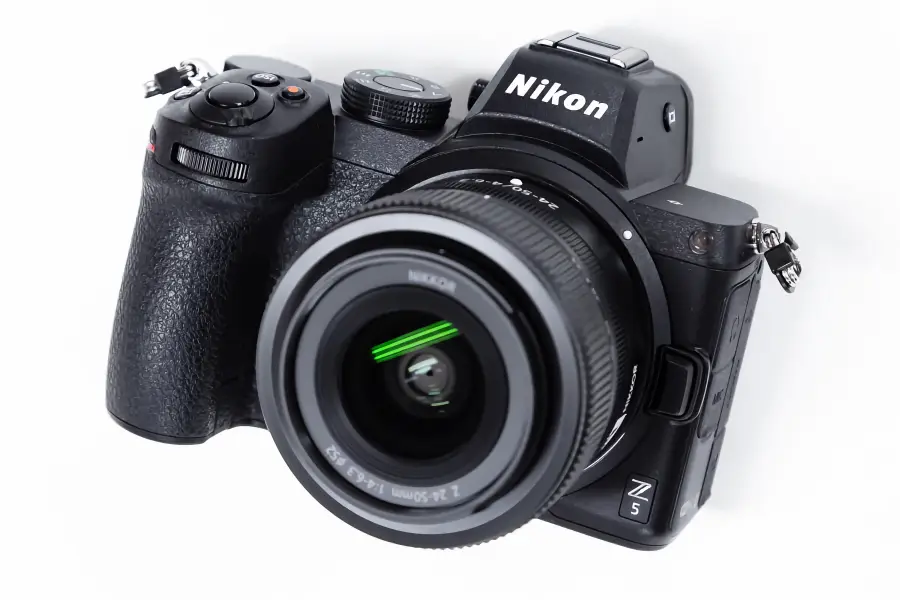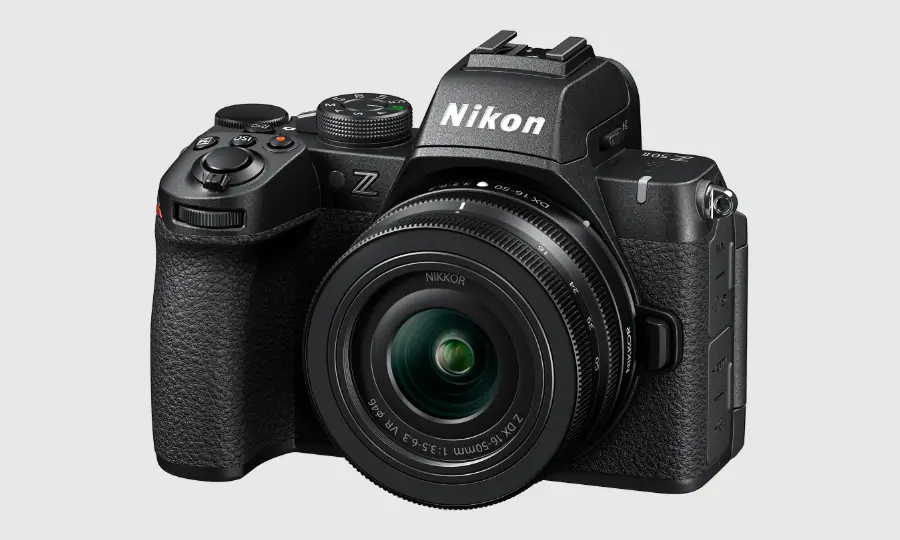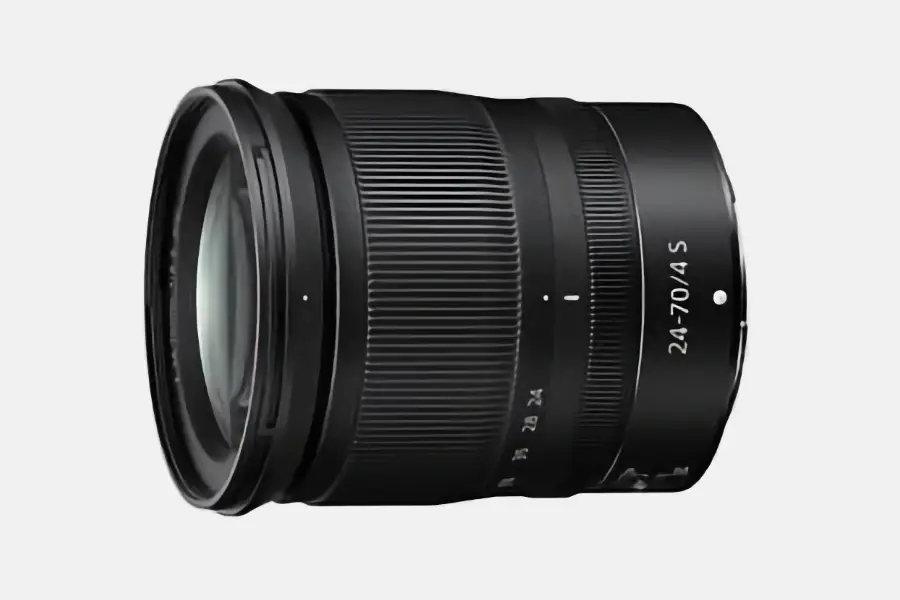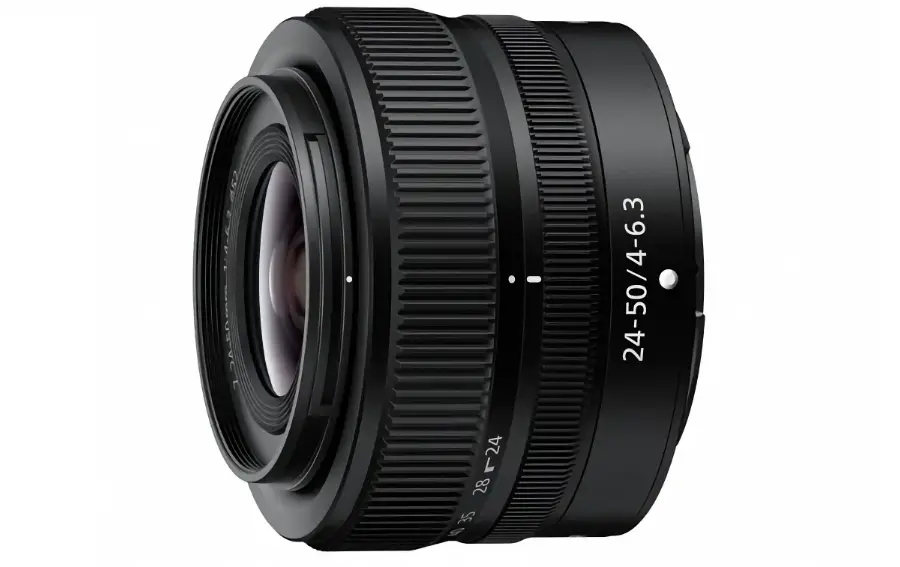

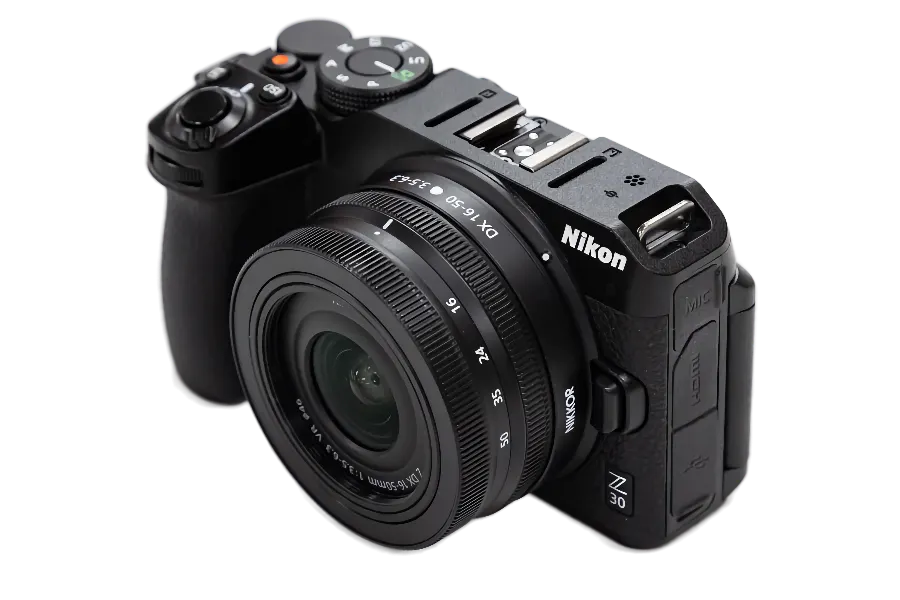
The Nikon Z30 is an APS-C sensor mirrorless camera specially designed for vloggers and content creators. In this review, we’ll take a detailed look at the Z30’s key features, performance, and real-world usage experience.
Nikon Z30 Detailed Specifications
| Specification | Details |
|---|---|
| Sensor | 20.9MP APS-C CMOS |
| Lens Mount | Nikon Z |
| Maximum Resolution | 5568 x 3712 |
| Screen | 3-inch 1040k dot tilt touchscreen LCD |
| Maximum Continuous Shooting | 11 fps |
| Video Resolution | 4K/30p, 1080/120p |
| Weight | 350g (including battery and memory card) |
| Dimensions | 128 x 73.5 x 59.5 mm |
| Battery | EN-EL25 Lithium-ion battery |
🎥 Design Optimized for Vlogging
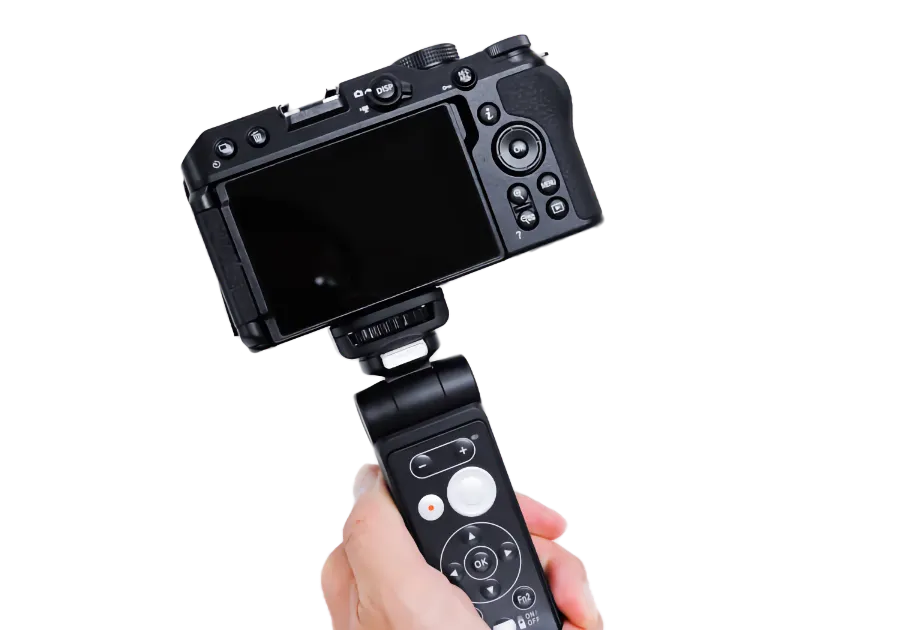
The Nikon Z30 is specially designed to meet the needs of vloggers. The most notable feature of this camera is its fully articulating LCD screen. This screen allows for easy framing during self-shooting, making it very useful for vlogging.
Compact Size and Light Weight
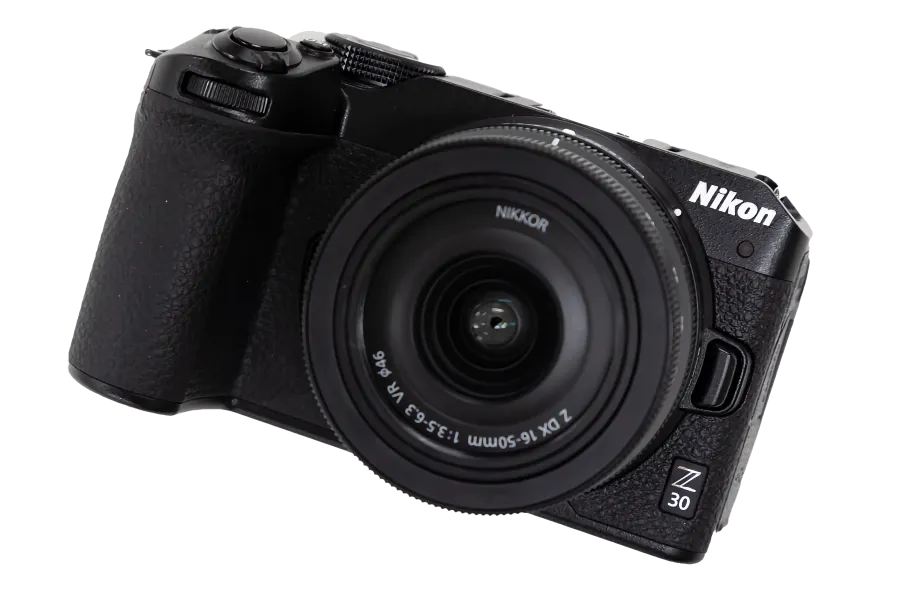
The Nikon Z30’s body is very compact, weighing only 350g including battery and memory card. When used with the 16-50mm VR kit lens, it becomes a very portable combination. This is a big advantage for vloggers who need to hold the camera for long periods.
Ergonomic Grip
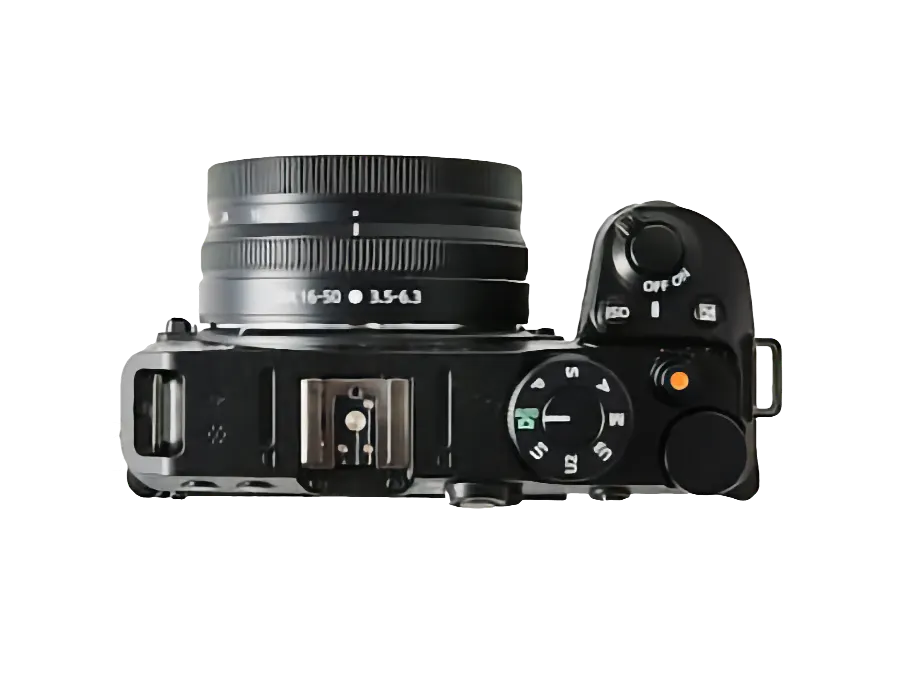
Despite its small size, the Z30 provides a quite comfortable grip. This gives stability when holding the camera with one hand. Even when holding the camera reversed towards yourself, you can support the bottom of the camera with your thumb, which is convenient.
Selfie Mode
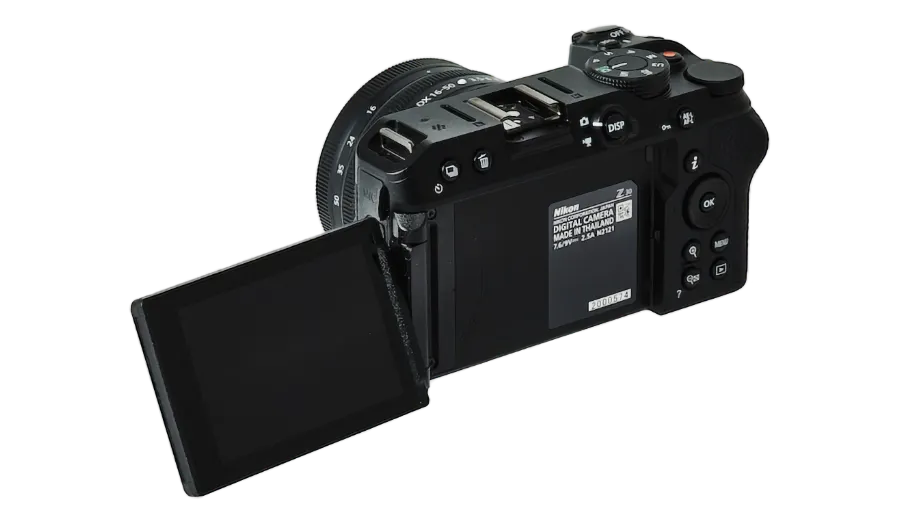
When you flip the LCD screen forward, the camera automatically switches to selfie mode. In this mode, all buttons and dials except the shutter and record buttons are deactivated, preventing accidental setting changes.
📹 Video Recording Performance

The Nikon Z30’s video recording capabilities are sufficient to meet the needs of vloggers and content creators.
4K Video Recording
The Nikon Z30 can record 4K/30p video without crop. The quality of 4K footage is very sharp with almost no artifacts. If you want more dynamic range, you can shoot in the flat picture profile.
Low Light Performance

In ISO sensitivity tests, video quality remained very good up to ISO 3200. Even at ISO 6400, it maintained usable quality, and can be set up to a maximum of ISO 25600. This is very helpful for shooting in dark environments.
Continuous Recording Time
The Z30 can record continuously for up to 125 minutes. In actual tests, it could record 4K/30p video for over 100 minutes without overheating in an indoor environment at 18°C. This is sufficient time for most vlogging situations.
Slow Motion Recording

It’s possible to shoot at 120fps in 1080p resolution, which can be used for slow-motion video production. The quality of 120fps footage is the same as regular 1080p footage, and there’s no crop, making it very useful.
📸 Still Photography Performance
Although the Z30 focuses on video recording, its still photography performance is not to be overlooked.
Image Sensor

The Nikon Z30 features a 20.9MP APS-C CMOS sensor. This is the same sensor used in the Nikon Zfc, providing excellent image quality.
ISO Performance

Clean images with almost no noise could be obtained from ISO 100 to 1600. Noise starts to appear slightly from ISO 3200, but it’s still quite usable up to ISO 6400. It can be set up to a maximum of ISO 51200, allowing for shooting in extremely dark environments.
RAW File Flexibility

In dynamic range tests of RAW files, overexposed photos could be recovered up to 3 stops sufficiently. For underexposed photos, the results were even more impressive, with recovery possible up to 5 stops without noise. This provides great flexibility in post-processing.
Continuous Shooting

The Z30 is capable of continuous shooting at up to 11fps. This is useful when shooting fast-moving subjects.
🎛️ Operability and User Interface
The Nikon Z30 is designed to be easy to use for beginners, while also providing advanced features for experienced users.
Intuitive Control Layout
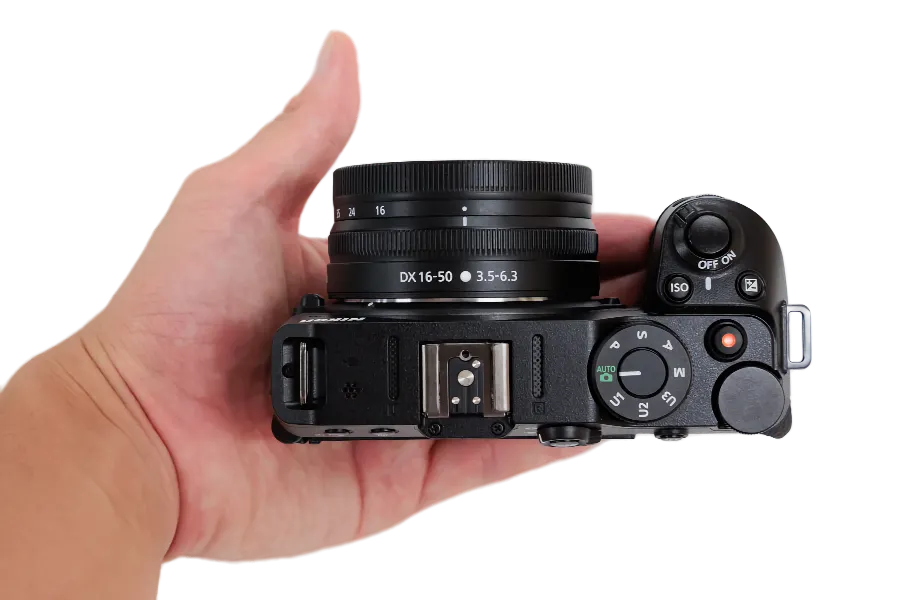
The Nikon Z30 has control dials on the front and back, allowing for quick adjustment of aperture and shutter speed. It also has several customizable buttons that can be assigned to frequently used functions.
Touchscreen Interface
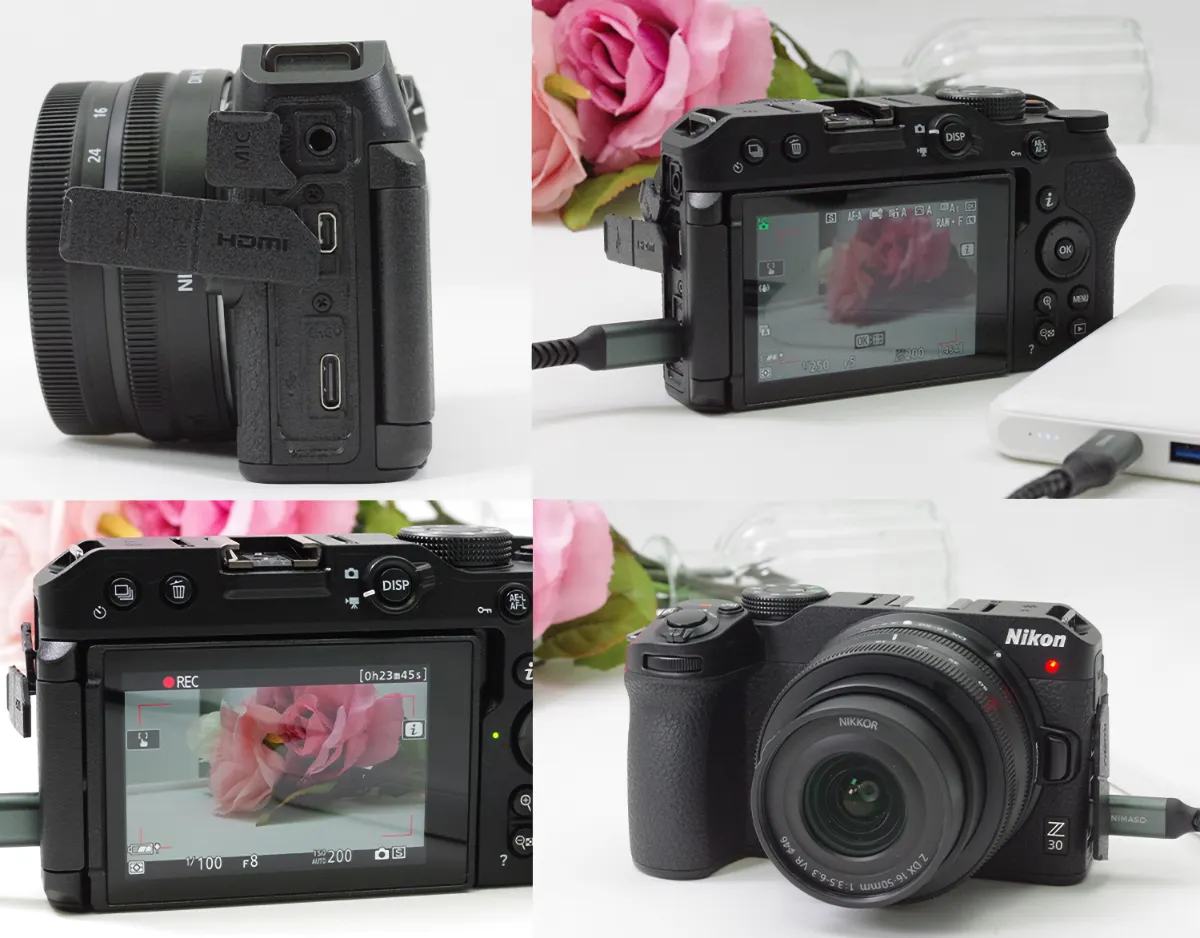
The 3-inch 1040k dot LCD supports touch operation. Menu navigation, focus point selection, and shutter release can all be done via touch, which is convenient.
Performance in Auto Mode
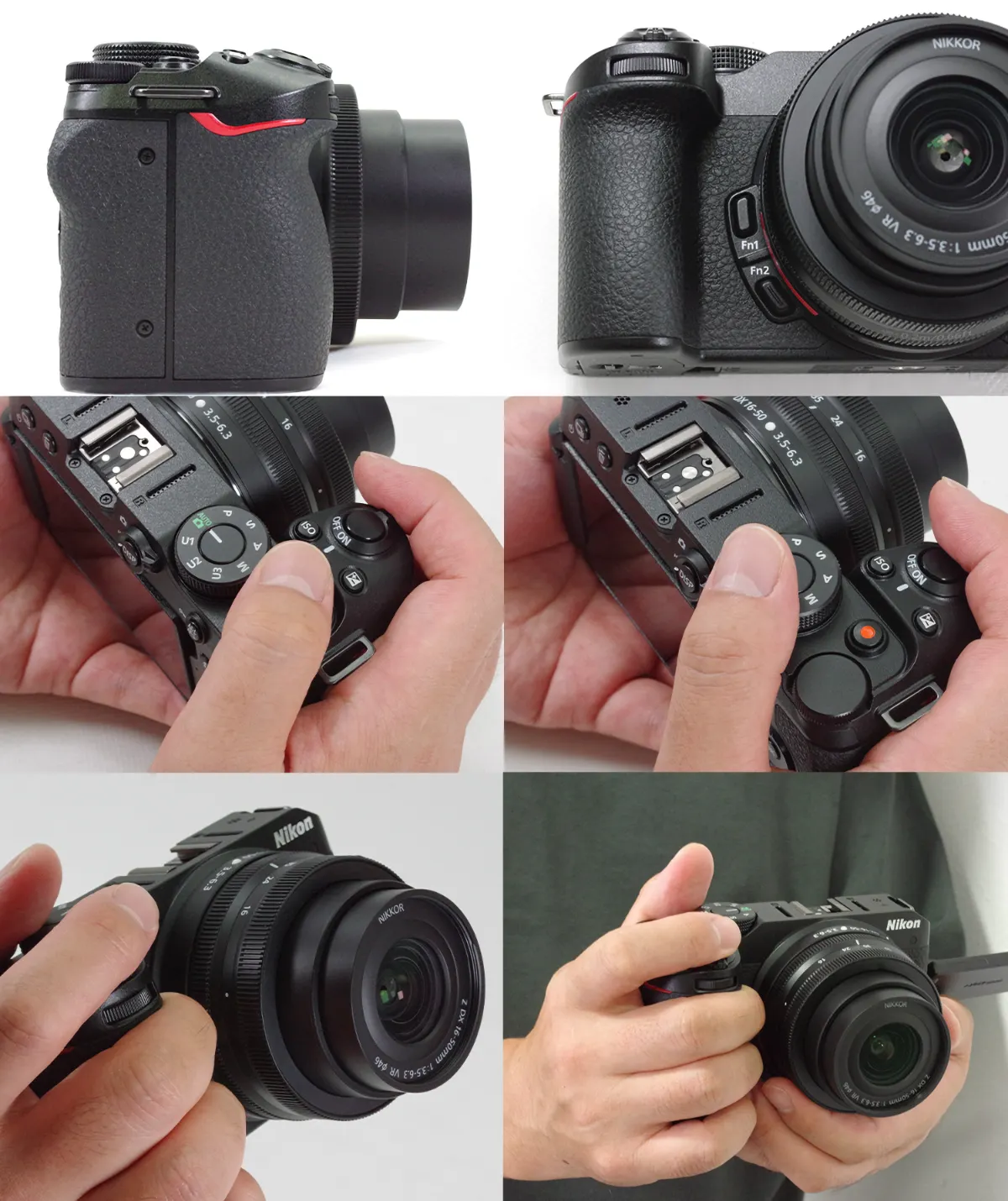
The Nikon Z30 performs excellently even in full auto mode. It accurately sets exposure, white balance, and focus, allowing even beginners to easily achieve good results.
🔍 Autofocus System

The Nikon Z30’s autofocus system shows excellent performance in both video and still photography.
Face/Eye Detection AF
The Nikon Z30 features an AF system that recognizes faces and eyes of both humans and animals. This feature is very useful for vlogging or portrait photography. In tests, the face/eye detection AF worked quickly and accurately, and reliably tracked the main subject even when multiple faces were in the frame.
Video AF Performance
AF during video recording operates smoothly and naturally. It responds quickly when the subject moves or the composition changes, while maintaining smooth focus without abrupt changes. This helps in creating professional-looking videos.
Low Light AF Performance
The Z30’s AF performance is very stable in normal lighting conditions. However, in very dark environments (requiring ISO 12800 or higher), AF speed and accuracy decrease somewhat. But this is a common issue for most cameras, and the Z30 still maintains a usable level of performance.
🔋 Battery Life and Connectivity
Battery Performance
The Z30 uses an EN-EL25 lithium-ion battery. According to CIPA standards, it can take about 330 photos, or record video for about 75 minutes. This is an average level of battery life.
USB-C Charging and Power Delivery
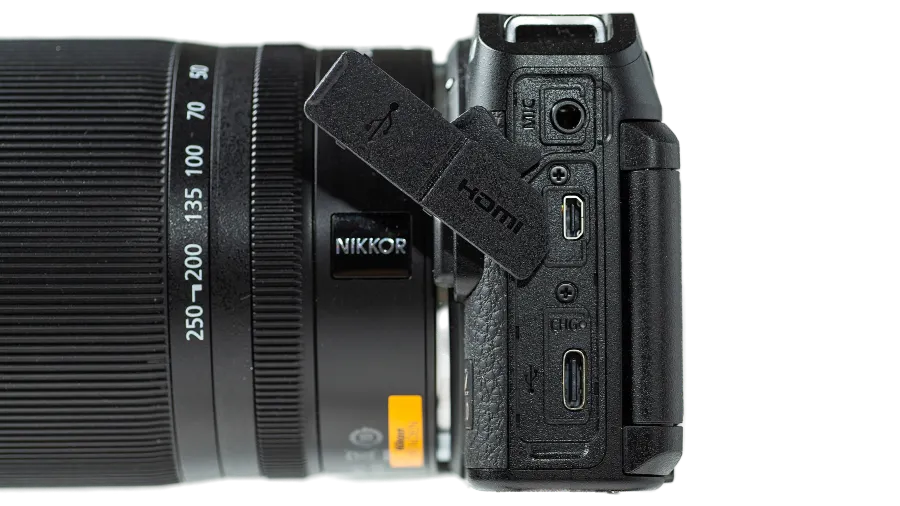
The Z30 can charge its battery via the USB-C port, and can also be operated with external power. This is a very useful feature for long shooting sessions or live streaming.
Wireless Connectivity
Built-in Wi-Fi and Bluetooth allow connection to smartphones or tablets. The Nikon SnapBridge app enables remote shooting, image transfer, and location information adding.
💻 Post-Processing and Sharing Features
In-Camera Editing
The Nikon Z30 provides basic in-camera editing functions. RAW files can be converted to JPEG within the camera, and simple cropping, resizing, and filter application are possible.
SnapBridge App Integration
Images can be instantly transferred to a smartphone via the SnapBridge app. Images under 2MB can be set to transfer automatically, which is convenient for quick sharing on social media.
Webcam Function
By installing Nikon Webcam Utility, the Z30 can be used as a high-quality webcam. This is a useful feature that can greatly improve the quality of video conferences or live streaming.
🎥 Comparison with Competitors
The main competitors of the Nikon Z30 include the Sony ZV-E10, Canon EOS M50 Mark II, and Fujifilm X-S10. Let’s compare with each product.
Comparison with Sony ZV-E10

- Sensor: Both use 24MP APS-C sensors
- Video: Both support 4K/30p, Sony provides S-Log profile
- AF: Both offer excellent face/eye detection AF
- Stabilization: Sony only provides electronic stabilization, Nikon uses lens VR
- Features: Sony offers product showcase mode, Nikon provides longer continuous recording time
Comparison with Canon EOS M50 Mark II

- Sensor: Canon is 24MP, Nikon is 20.9MP
- Video: Nikon provides uncropped 4K, Canon has severe crop in 4K
- EVF: Canon provides EVF, Nikon doesn’t
- AF: Both use dual pixel AF system, similar performance
- Lenses: Nikon Z mount offers more lens choices
Comparison with Fujifilm X-S10

- Sensor: Fuji is 26MP, Nikon is 20.9MP
- Stabilization: Fuji provides IBIS, Nikon relies on lens VR
- Video: Both support 4K/30p, Fuji offers F-Log
- Operability: Fuji provides more dials and buttons
- Price: Nikon is in a lower price range
🌟 Summary of Pros and Cons
Pros
- Compact and lightweight design
- Excellent 4K video quality
- Flip screen optimized for vlogging
- Intuitive operation
- Excellent autofocus performance
- Charging and power delivery possible via USB-C
- Long continuous recording time
Cons
- Lack of in-body image stabilization (IBIS)
- No EVF (may be a con for some users)
- Average battery life
- Lower resolution compared to some competitors
🎓 Conclusion
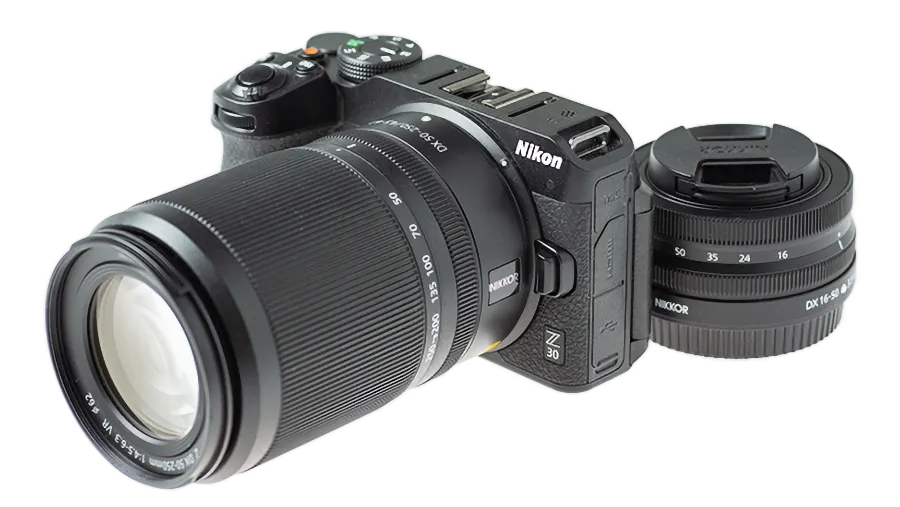
The Nikon Z30 is an almost perfect camera for vloggers and content creators. Its compact size, excellent video quality, and ease of use stand out, and the flip screen and long continuous recording time are big advantages for vlogging. However, the lack of IBIS is a bit disappointing.
This camera, which can be widely used from beginners to intermediate users, is strongly recommended especially for users looking to transition from smartphones to dedicated cameras. Considering its excellent image quality, easy-to-use features, and expandability, the Nikon Z30 offers great value for its price.
Of course, users who need an EVF or IBIS might consider other options, but for users focused on vlogging and content creation, the Nikon Z30 is one of the most balanced choices currently available in the market.
Learn more about the Z30 on Nikon’s official website
We hope this review has been helpful for those considering purchasing the Nikon Z30. As camera choice can vary depending on individual needs, we recommend trying it out in person if possible. Happy shooting!