
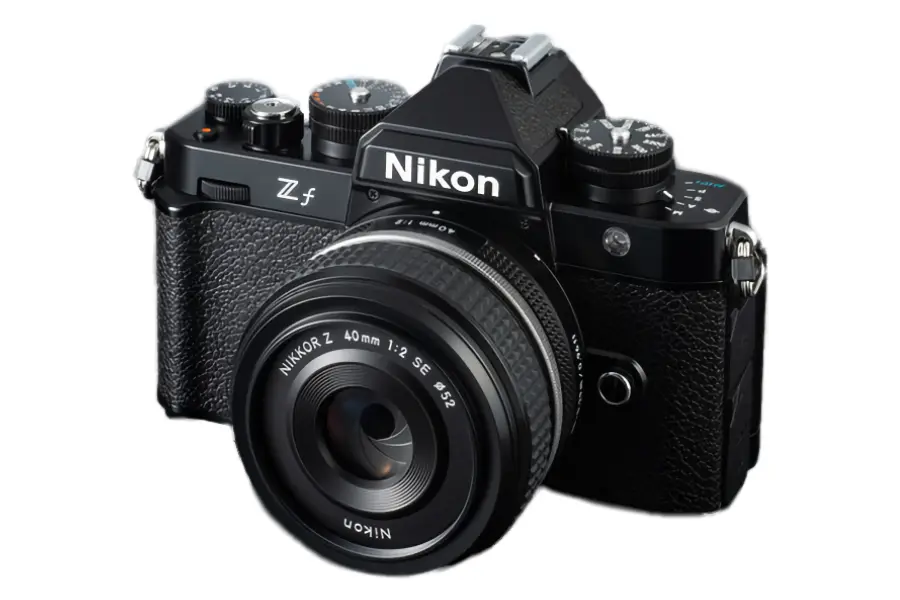
The Nikon Zf is a distinctive full-frame mirrorless camera that combines the classic exterior design of a film camera with the latest digital camera technology. Offering a 24MP sensor, 8-axis stabilization, and -10EV low-light autofocus, it delivers exceptional performance while maintaining an analog feel with traditional dials and switches. In this review, we’ll explore the Zf’s key features, pros and cons, and how it compares to its competitors.
Nikon Zf Key Specifications
| Specification | Description |
|---|---|
| Sensor | 24.5MP full-frame CMOS |
| Image Processor | EXPEED 7 |
| Lens Mount | Nikon Z |
| Autofocus System | 273-point hybrid AF |
| Image Stabilization | 8-axis in-body stabilization |
| Continuous Shooting | Up to 14fps (mechanical shutter), 30fps (electronic shutter, JPEG only) |
| ISO Sensitivity | 100-64000 (expandable to 50-204800) |
| Viewfinder | 3.69M dot OLED EVF |
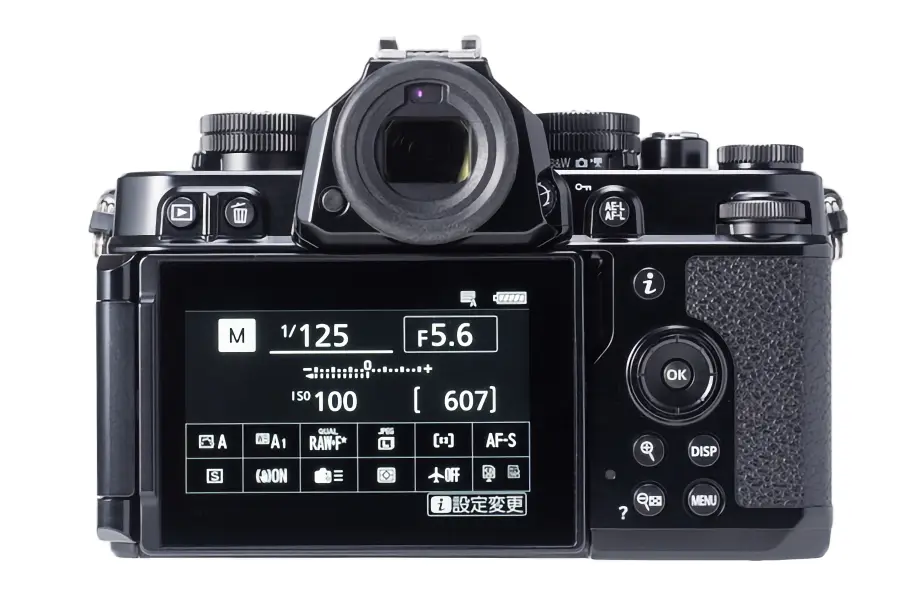
| Monitor | 3.2-inch 2.1M dot tilt-flip touch LCD |
| Video | 4K 30p (10-bit internal recording), 1080/120p |
| Storage Media | 1x SD UHS-II, 1x microSD |
| Connectivity | Wi-Fi, Bluetooth, USB-C, HDMI (Micro Type D) |
| Battery | EN-EL15c |
| Dimensions | 144 x 103 x 49 mm |
| Weight | 710g (including battery and memory card) |
🎨 Harmony of Retro Design and Modern Features
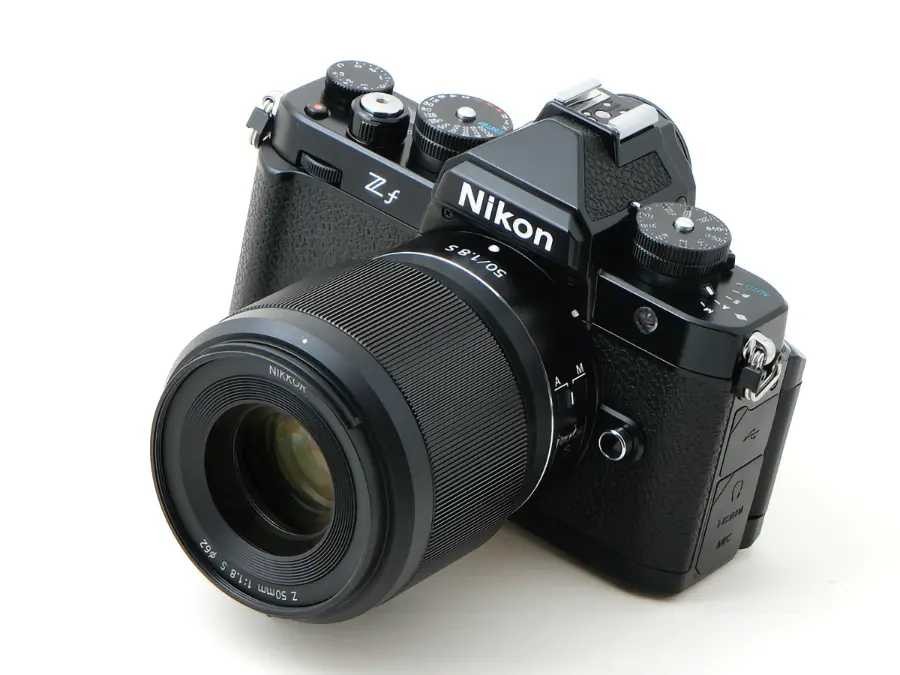
The Nikon Zf’s exterior evokes memories of the classic Nikon FM2 film camera. However, this retro-styled body houses state-of-the-art digital camera technology.
Classic Exterior Design
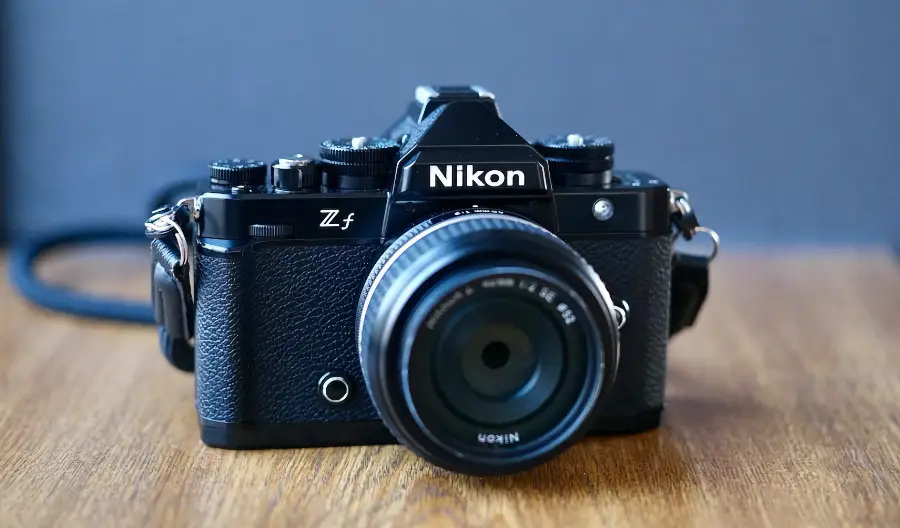
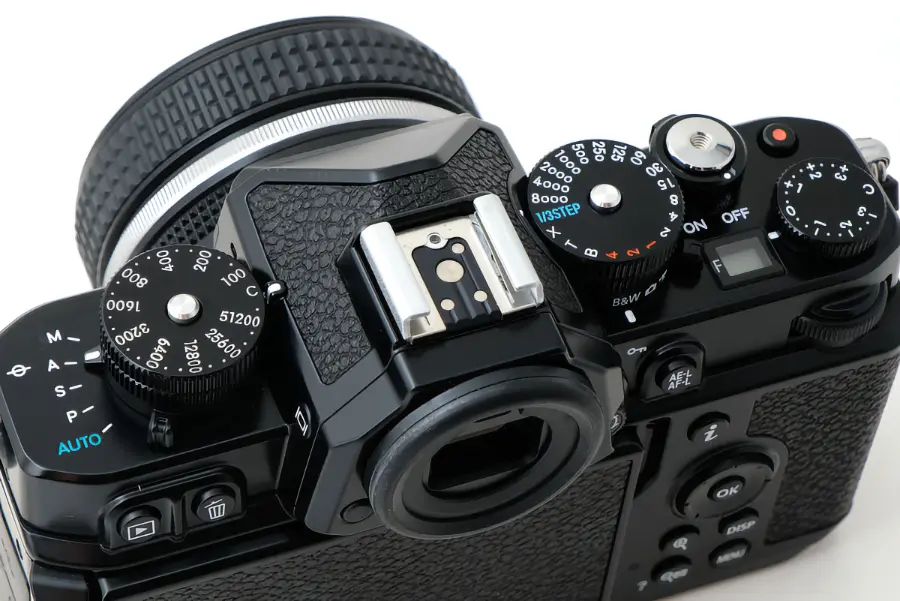
The Zf’s top plate features ISO, shutter speed, and exposure compensation dials, giving it a film camera feel. A small LCD window displays the aperture value, adding to its analog charm.
Integration with Modern Features
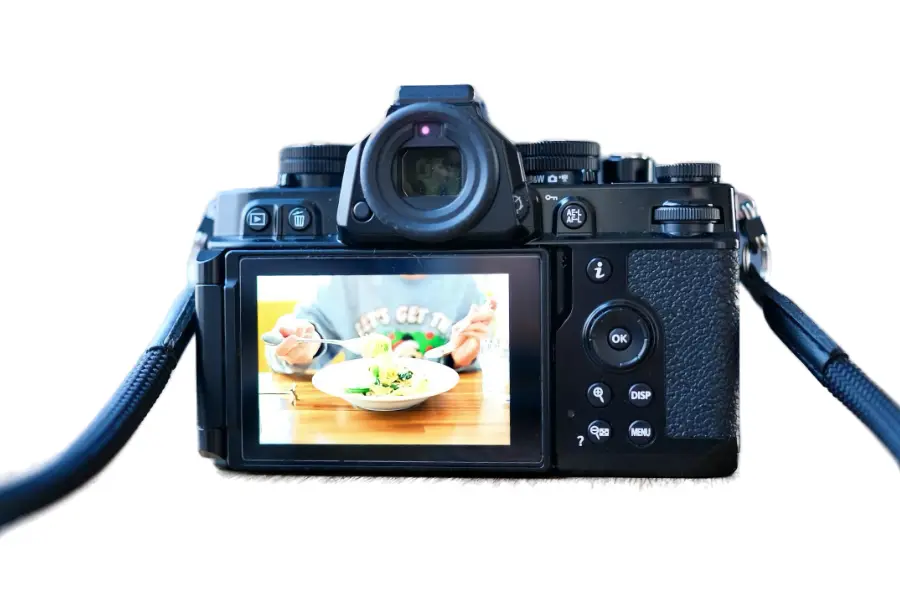
Hidden within its retro design are modern features including:
- 3.69M dot OLED electronic viewfinder
- 3.2-inch 2.1M dot tilt-flip touch LCD
- 273-point hybrid AF system
- 4K 30p 10-bit internal video recording
- Wi-Fi and Bluetooth connectivity
These features contrast with the classic exterior, providing a unique camera experience that bridges past and present.
📸 Exceptional Image Quality and Performance
The Nikon Zf delivers superior image quality with its 24.5MP full-frame sensor and EXPEED 7 image processor.
High Sensitivity Performance

With a native ISO range of 100-64000, expandable to ISO 204800, the Zf offers excellent noise suppression even at high ISOs, producing clean images in low-light conditions.
Continuous Shooting Performance

The Zf can shoot up to 14fps with the mechanical shutter and 30fps with the electronic shutter (JPEG only), ensuring you don’t miss fast-moving subjects.
Multiple Exposure Photography

The Zf is the first Nikon camera to offer multiple exposure photography, allowing up to 32 overlapping shots for higher resolution and wider dynamic range images.
🔍 Innovative Autofocus System

The Nikon Zf features a 273-point hybrid AF system with a subject recognition algorithm powered by the latest deep learning technology.
Low-Light Autofocus Performance
One of the Zf’s standout features is its ability to autofocus in low-light conditions down to -10EV. This significantly improved performance allows for accurate focusing even in extremely dark environments or when shooting night skies.
Enhanced Eye-AF and Subject Tracking
The camera’s ability to recognize and track various subjects, including people, animals, and vehicles, has been improved. The enhanced Eye-AF performance is particularly useful for portrait photography, providing more accurate focus on the subject’s eyes.
Manual Focus Assist Features
Even when using manual focus lenses, you can take advantage of the subject recognition feature. The camera automatically magnifies recognized areas such as faces or eyes, aiding in precise manual focusing.
🔋 8-Axis Image Stabilization System

The Nikon Zf boasts an 8-axis in-body image stabilization system, surpassing the traditional 5-axis systems. This is one of the most advanced stabilization technologies in the camera industry.
Up to 8 Stops of Compensation
The Zf’s stabilization system provides up to 8 stops of shake compensation, allowing for sharp handheld shots even at very slow shutter speeds.
Focus Point Linked VR
This new feature centers the stabilization effect on the selected focus point, enabling effective shake reduction even when shooting subjects at the edges of the frame.
Synergy with Lens VR
When using Z mount VR lenses, the lens and body stabilization work in harmony to provide even more stable shooting conditions.
🎥 Enhanced Video Recording Capabilities

The Nikon Zf excels not only in still photography but also in video recording.
4K 30p 10-bit Internal Recording
The camera can internally record 4K 30p video with 10-bit 4:2:2 color depth, providing greater flexibility in post-production.
N-Log and HLG Support
Support for N-Log and HLG (Hybrid Log-Gamma) profiles allows for capturing a wider dynamic range and color information, suitable for professional video production and post-processing.
Improved Autofocus in Video Mode
Enhanced Eye-AF and subject tracking features are available in video mode, enabling smooth and accurate focus transitions when filming moving subjects.
Waveform Monitor
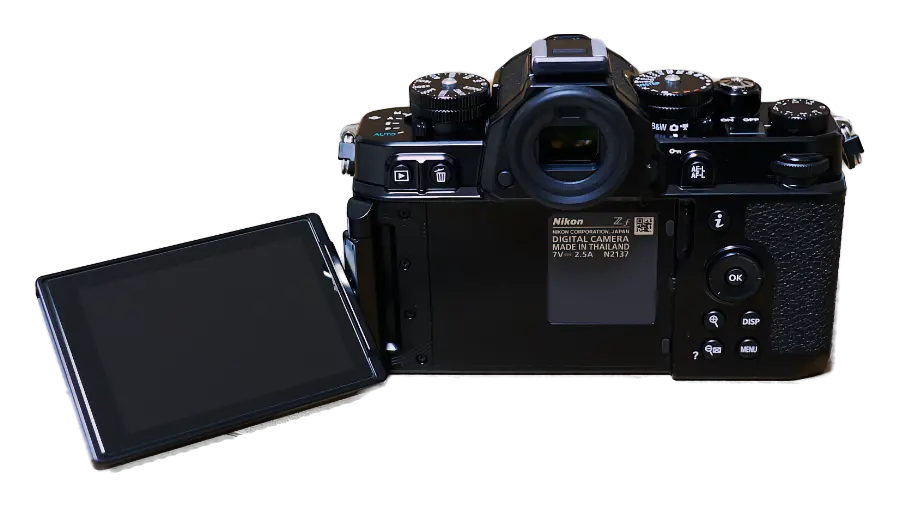
The waveform monitor feature allows for more precise control over exposure and color, particularly useful for professional videographers.
📱 User Experience and Operability
The Nikon Zf offers a unique user experience by combining retro design with modern functionality.
Analog-style Operation
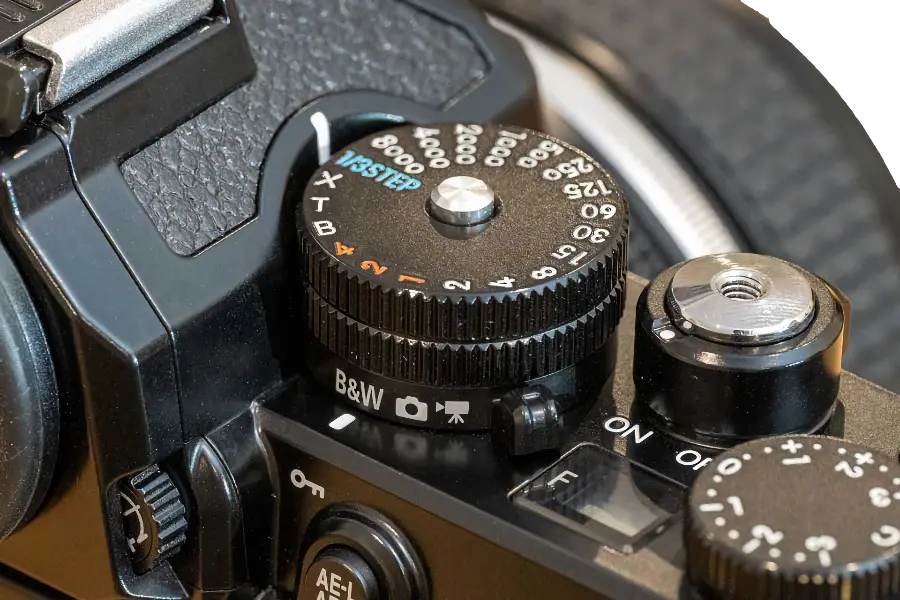
The top dials allow direct control of ISO, shutter speed, and exposure compensation, providing intuitive confirmation and adjustment of shooting settings. This will feel familiar to users accustomed to film cameras.
Touch AF Operation
The rear LCD allows for touch selection of focus points, and you can use the LCD as a touch pad to move the focus point while looking through the viewfinder. This compensates for the lack of a joystick on the Zf.
Flip-out Screen
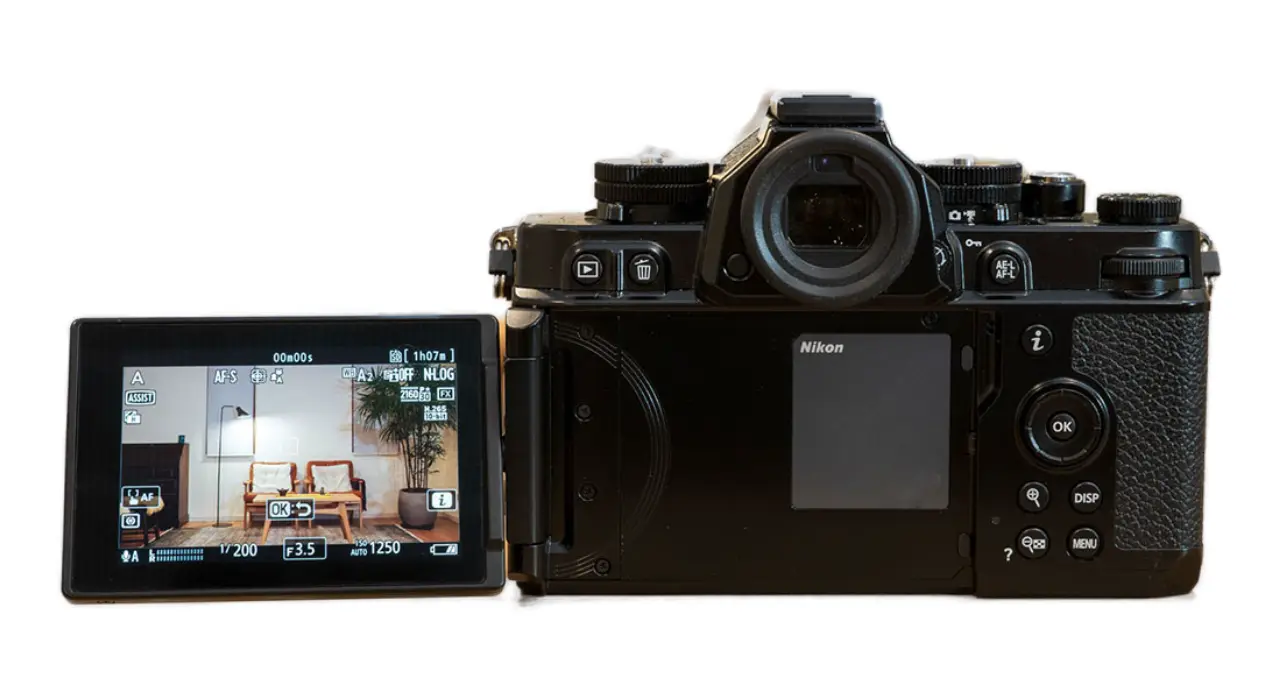
The 3.2-inch tilt-flip LCD screen facilitates shooting from various angles. It’s particularly useful for self-portraits or low/high angle shots.
Customization Options
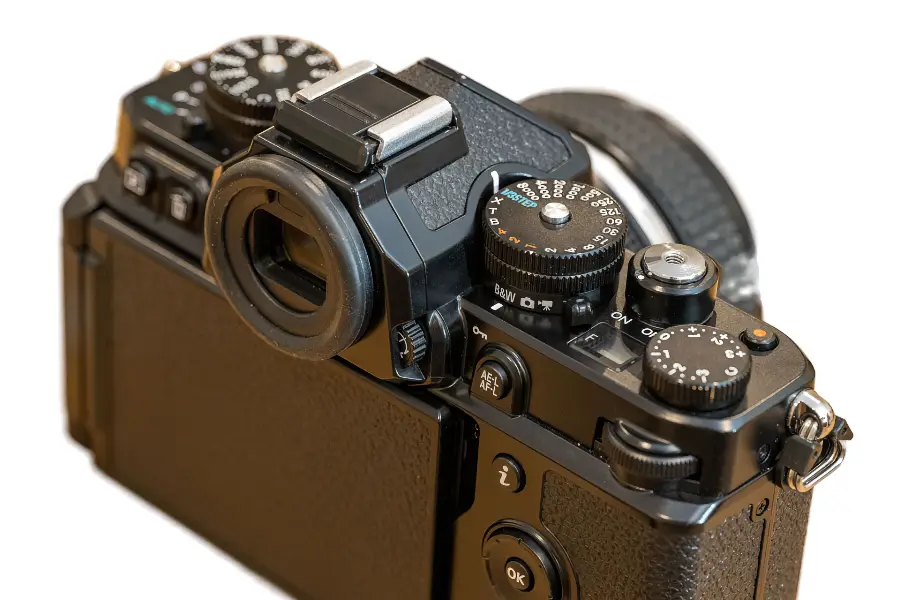
Users can assign various functions to buttons and dials, optimizing the camera to their personal shooting style.
💾 Storage Media and Connectivity
The Nikon Zf offers a unique storage media configuration and various connectivity options.
Dual Card Slots
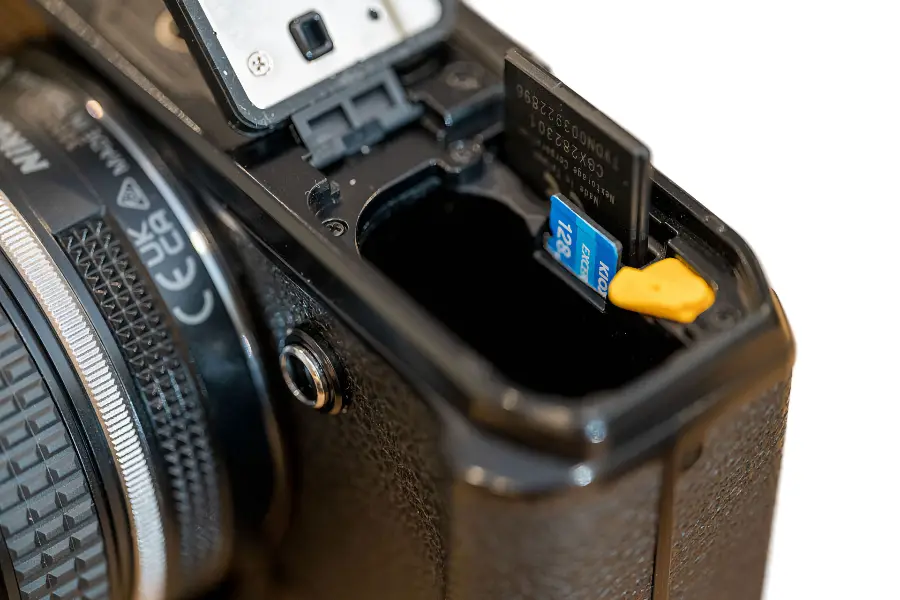
The camera provides one SD UHS-II slot and one microSD slot. This configuration maximizes space efficiency while maintaining the benefits of dual card slots such as backup or overflow storage.
Wireless Connectivity
Built-in Wi-Fi and Bluetooth allow connection to smartphones or tablets for image transfer and remote shooting.
USB-C and HDMI
The USB-C port enables high-speed data transfer and power delivery, while the micro HDMI port allows connection to external monitors or recorders.
🔋 Battery Performance and Power Options
The Nikon Zf uses the EN-EL15c battery and offers good battery life thanks to its energy-efficient design.
USB-C Charging and Power Delivery
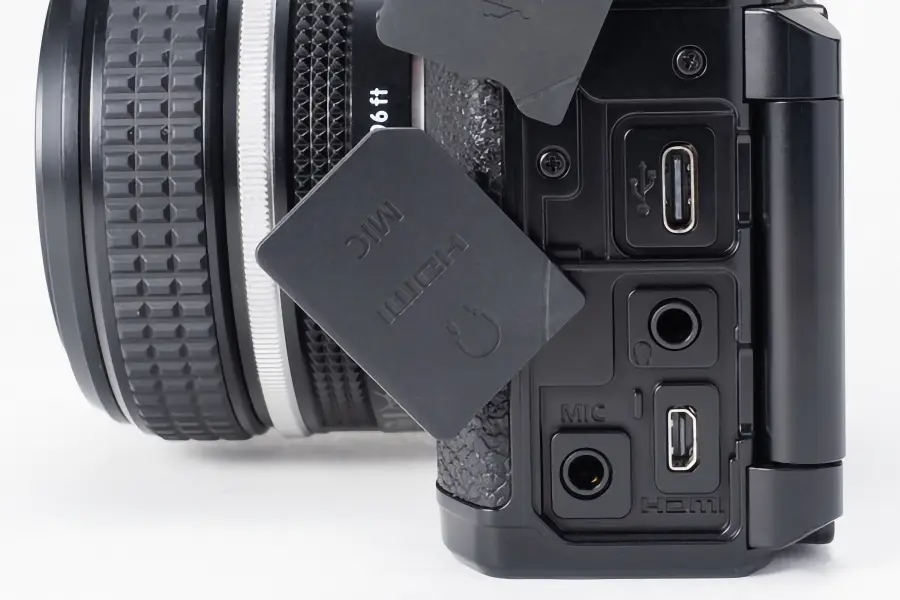
The camera can be charged or powered via its USB-C port, useful for extended shooting sessions or time-lapse photography.
Battery Grip Option
An optional battery grip can increase battery capacity and improve grip when shooting in vertical orientation.
📷 Lens Compatibility
The Nikon Zf primarily uses Z mount lenses but can also use F mount lenses via the FTZ adapter.
Z Mount Lenses
Z mount lenses utilize the large diameter and short flange distance to provide excellent optical performance. Compact prime lenses particularly complement the Zf’s retro design.
F Mount Lens Compatibility
Most F mount lenses can be used with the FTZ adapter. However, screw-drive AF lenses won’t autofocus. When using AI or AIS manual lenses, you can take advantage of improved focus assist features.
🆚 Comparison with Competitors
The Nikon Zf’s main competitors include the Fujifilm X-T5, Sony A7 IV, and Nikon Z6 II. Let’s compare the Zf with each to highlight its strengths and weaknesses.
Comparison with Fujifilm X-T5
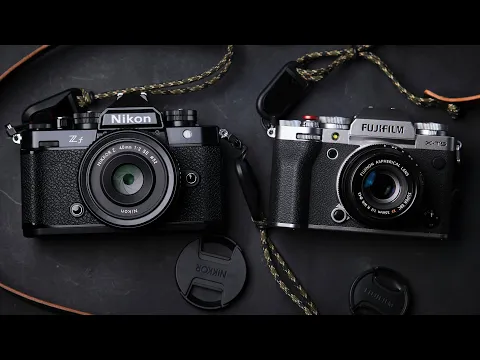
- Sensor: Zf (24MP full-frame) vs X-T5 (40MP APS-C) - X-T5 has higher resolution, but Zf has full-frame advantages
- Design: Both have retro styling, but Zf has a more classic film camera feel
- Video: Zf (4K 30p 10-bit) vs X-T5 (6K 30p 10-bit) - X-T5 offers higher resolution
- Image Stabilization: Zf (8-axis) vs X-T5 (5-axis) - Zf has superior performance
The Zf excels with its full-frame sensor and superior stabilization, while the X-T5 offers higher resolution and a more developed APS-C lens system.
Comparison with Sony A7 IV

- Sensor: Zf (24MP) vs A7 IV (33MP) - A7 IV offers higher resolution
- Autofocus: Both perform well, but A7 IV has more AF points (759)
- Continuous Shooting: Zf (14fps) vs A7 IV (10fps) - Zf is faster
- Design: Zf’s retro design vs A7 IV’s modern design
The Zf offers classic handling and faster burst rates, while the A7 IV provides higher resolution and a more advanced AF system.
Comparison with Nikon Z6 II
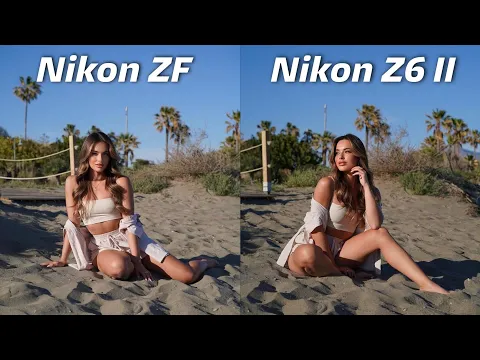
- Sensor: Both use the same 24MP full-frame sensor
- Design: Zf’s retro design vs Z6 II’s modern design
- Image Stabilization: Zf (8-axis) vs Z6 II (5-axis) - Zf has improved performance
- Low-light AF: Zf (-10EV) vs Z6 II (-6EV) - Zf has superior low-light performance
The Zf offers improved stabilization and low-light AF performance, while the Z6 II has a more ergonomic grip and button layout.
📊 Pros and Cons of the Nikon Zf
Pros
- Classic and beautiful retro design
- Excellent image quality and high ISO performance
- Innovative 8-axis image stabilization system
- Superior low-light autofocus performance (-10EV)
- Enhanced video features (4K 30p 10-bit internal recording)
- Flip-out screen allowing shooting from various angles
- Intuitive dial-based operation
Cons
- Retro-style controls may require adaptation for some users
- Grip might feel small for some users
- Crop factor when shooting 4K 60p
- Limited compatibility with some older AF lenses
- Memory card slot configuration (SD + microSD) may be inconvenient for some users
🏁 Conclusion: Nikon Zf Purchase Recommendation
The Nikon Zf is a unique camera that masterfully combines classic design with cutting-edge technology. It’s particularly appealing to photography enthusiasts who prefer a retro style. Technically, it demonstrates a high level of performance with excellent image quality, innovative 8-axis stabilization, and superior low-light capabilities.
The Zf is especially recommended for users who:
- Prefer classic camera design and operation
- Are hybrid shooters looking to capture both high-quality stills and video
- Frequently shoot in low-light environments
- Want to leverage Nikon’s lens system
However, it may be less suitable for users accustomed to the quick operation of modern cameras or photographers primarily focused on genres requiring rapid response times, such as sports or wildlife photography.
In conclusion, the Nikon Zf is an attractive choice for photographers who want to experience both the analog feel of the past and modern digital technology. Through the Zf’s unique shooting experience and excellent image quality, users can find new inspiration for their creative work.
The Nikon Zf bridges the gap between classic photography and modern technology, offering a unique shooting experience that combines the best of both worlds. Its retro design will appeal to those who appreciate the aesthetics and tactile feel of traditional cameras, while its advanced features ensure it can compete with the latest mirrorless offerings.
For street photographers, portrait artists, and enthusiasts who value the process of image-making as much as the final result, the Zf could be an ideal companion. Its intuitive controls and robust build quality make it a joy to use, while its advanced AF system and excellent low-light performance ensure you can capture critical moments in challenging conditions.
However, potential buyers should consider their specific needs. If you prioritize the latest autofocus technologies for action photography or require the highest resolution for large prints, there might be more suitable options in Nikon’s lineup or from other manufacturers.
Ultimately, the Nikon Zf is more than just a camera; it’s a statement piece that celebrates the art of photography. It offers a refreshing take on camera design in a market often focused solely on specifications. For those who can appreciate its unique blend of form and function, the Zf could be the perfect tool to reignite their passion for photography or explore new creative avenues.
Whether you’re a seasoned professional looking for a change of pace or an enthusiast wanting to experience the tactile joy of analog-style controls with modern conveniences, the Nikon Zf deserves serious consideration. It’s a camera that not only captures images but also captures the essence of photographic tradition while embracing the future of imaging technology.