
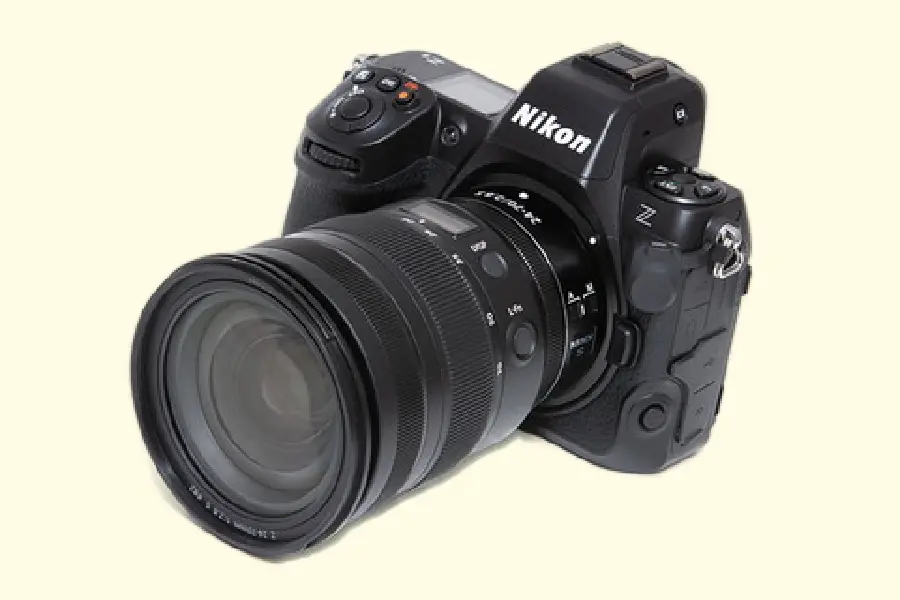
The Nikon Z8 is a high-performance mirrorless camera that packs the core features of the flagship Z9 into a smaller, lighter body. Aimed at both professional photographers and advanced amateurs, this camera offers excellent image quality, fast burst performance, and powerful video capabilities. In this review, we’ll take a detailed look at the Nikon Z8’s key features, performance, and real-world usage experience.
Key Specifications
| Specification | Details |
|---|---|
| Sensor | 45.7MP full-frame CMOS |
| Processor | EXPEED 7 |
| Continuous Shooting | Up to 120fps (11MP), 30fps (45MP) |
| Video Resolution | 8K/30p, 4K/120p |
| Autofocus | 493-point phase-detection AF |
| Viewfinder | 3.69 million dot OLED EVF |
| Screen | 3.2-inch 2.1 million dot tilting touch LCD |
| Image Stabilization | 5-axis in-body stabilization |
| Storage Media | CFexpress Type B / XQD + SD UHS-II |
| Battery | EN-EL15c |
| Dimensions | 144 x 118.5 x 83 mm |
| Weight | Approx. 910g (including battery and memory card) |
🚀 Impressive Burst Performance

One of the Nikon Z8’s standout features is its remarkable burst shooting capability.
120fps Ultra-High-Speed Burst
The Z8 can shoot at up to 120fps at 11MP resolution. This speed is maintained with autofocus and auto-exposure tracking active, making it one of the fastest burst rates currently available in the market.
30fps Burst at Full Resolution
Even at full 45MP resolution, the Z8 can shoot at 30fps. This allows for fast continuous shooting even when high-resolution images are required.
Practical Applications
This ultra-high-speed burst capability is particularly useful when shooting sports, wildlife, or any fast-moving subjects. It significantly increases the chances of capturing the decisive moment.
📹 8K Video Recording Capabilities
The Nikon Z8 also boasts impressive video recording capabilities.
8K/30p Recording

The Z8 can record 8K/30p video for up to 125 minutes continuously. This is suitable for high-resolution video production.
4K/120p Slow Motion
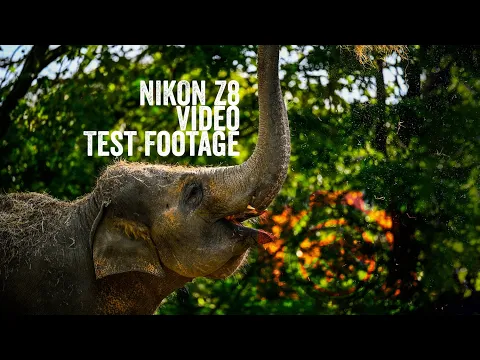
4K resolution recording at 120fps is possible, allowing for high-quality slow-motion video creation. This is useful for dramatically expressing dynamic scenes.
N-RAW and ProRes RAW Support

The Z8 supports Nikon’s N-RAW format and ProRes RAW, allowing for more flexible post-production work. This is particularly attractive to professional video producers.
🔍 Advanced Autofocus System

The Nikon Z8 features the powerful autofocus system proven in the Z9.
Automatic Subject Recognition AF
It incorporates an AI-based subject recognition AF system that automatically detects and tracks various subjects including people, animals, and vehicles. This allows for maintaining accurate focus even in complex shooting situations.
3D Tracking

The 3D tracking feature, highly praised in Nikon’s DSLRs, has been successfully implemented in this mirrorless camera. It’s very effective in accurately tracking moving subjects.
Low-Light AF Performance
Accurate focusing is possible in low-light conditions down to -5EV. This is particularly helpful when shooting in dark environments.
📸 Image Quality and Processing Power
The Nikon Z8 uses the same sensor and processor as the Z9, delivering excellent image quality.
45.7MP Sensor

The high-resolution 45.7MP full-frame sensor allows for detailed image representation. This particularly shines in landscape photography or studio shooting.
EXPEED 7 Processor

Equipped with Nikon’s latest image processor, EXPEED 7, the Z8 demonstrates fast data processing and excellent noise control capabilities.
High Sensitivity Performance

The Z8 offers a native ISO range of 64-25600, expandable to ISO 32-102400. It demonstrates excellent noise suppression capabilities even at high sensitivities.
🖥️ High-Quality EVF and LCD Screen
The Nikon Z8 provides a high-quality electronic viewfinder (EVF) and LCD screen that enhance the user experience.
High-Resolution EVF
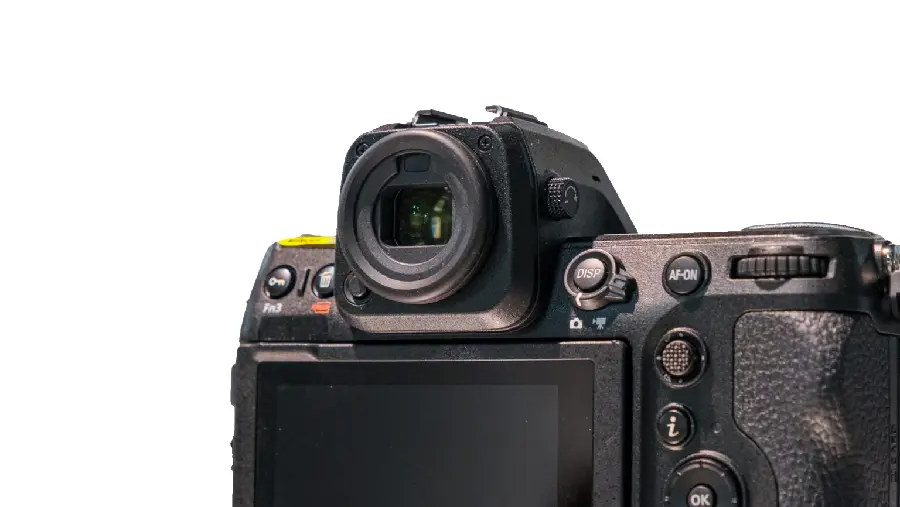
The 3.69 million dot OLED EVF provides clear and natural images. It offers bright and sharp images, ensuring excellent visibility even when shooting outdoors.
Tilting LCD Screen
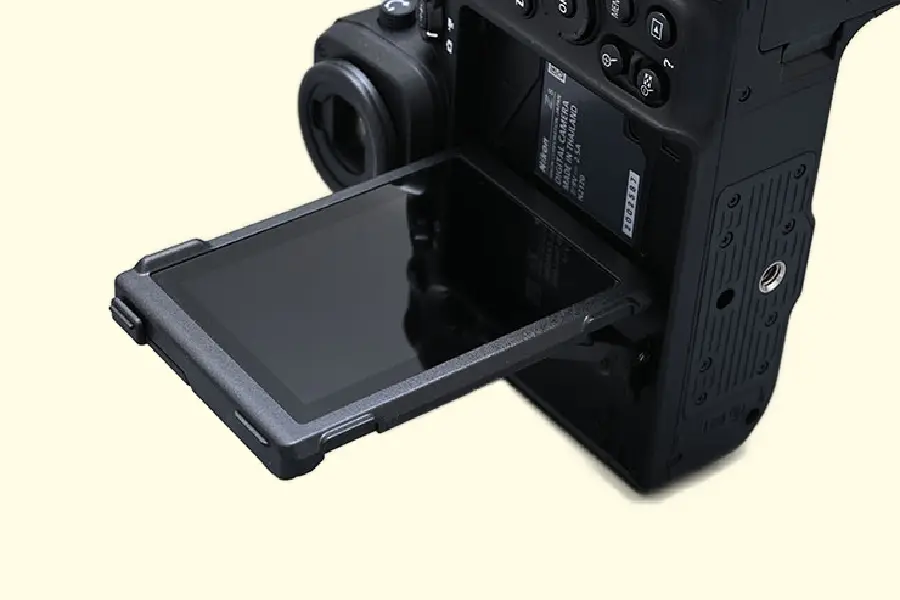
The 3.2-inch 2.1 million dot LCD screen adopts a tilting mechanism, facilitating shooting from various angles. It supports touch operation for intuitive control.
Real-Time Live View
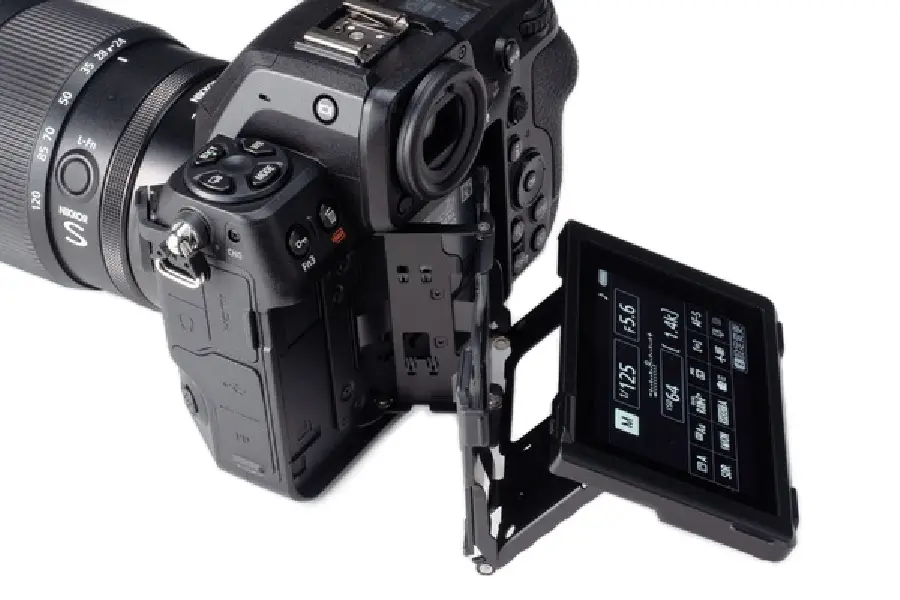
Both the EVF and LCD provide real-time live view with almost no delay, allowing for accurate capture of fast-moving subjects.
🏗️ Compact Body and Improved Usability
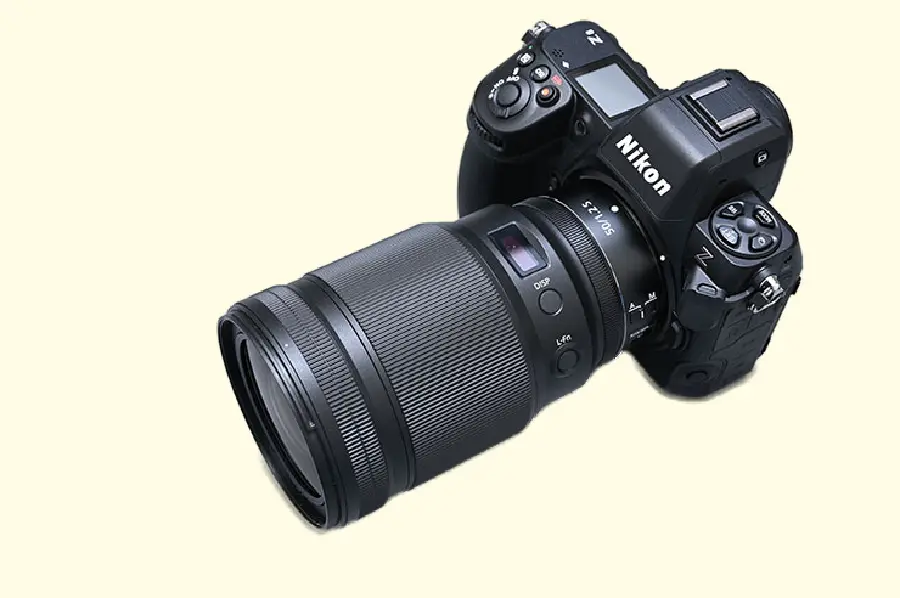
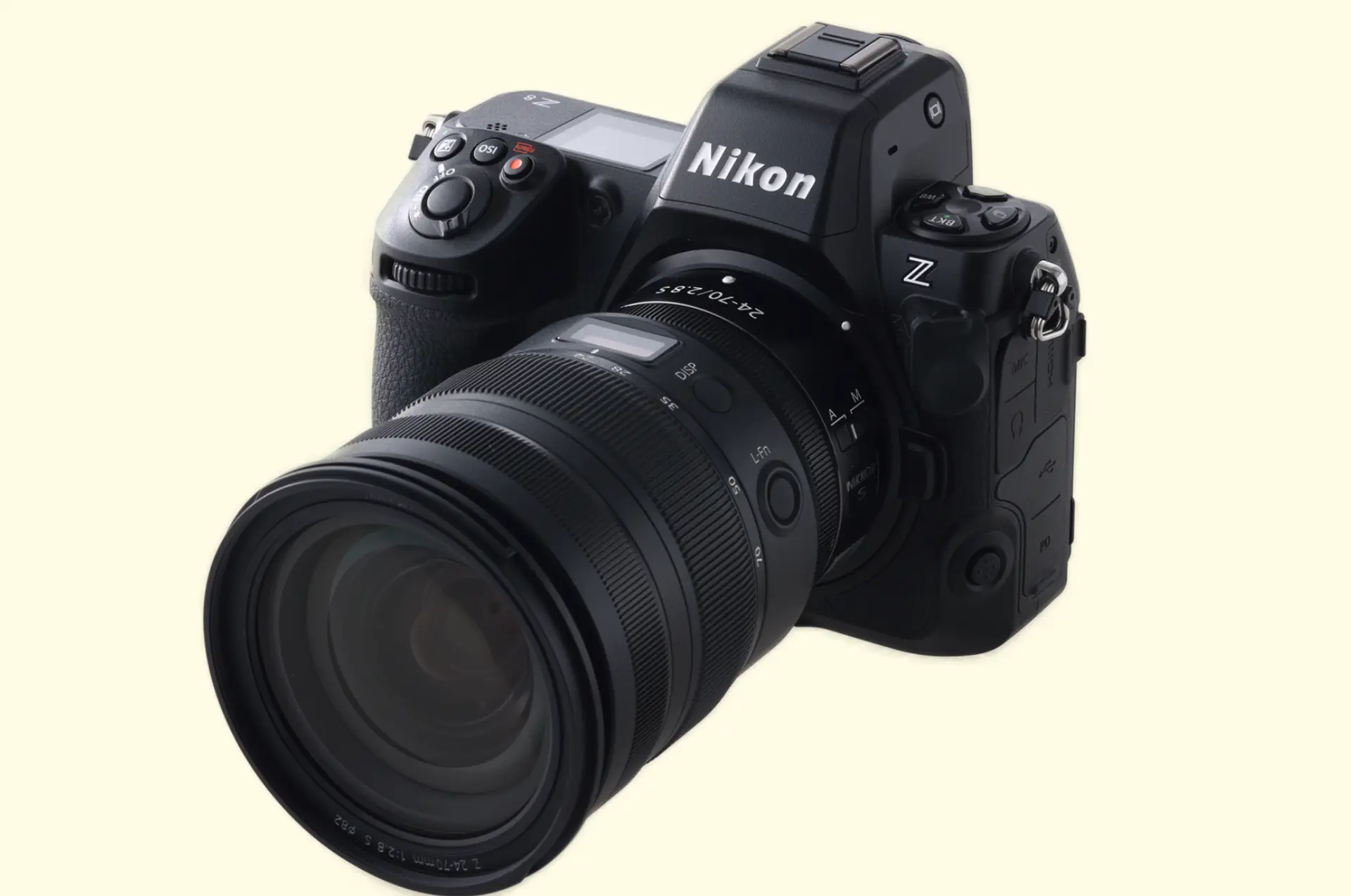
The Nikon Z8 has adopted a smaller and lighter body than the Z9, improving portability.
Compact Design
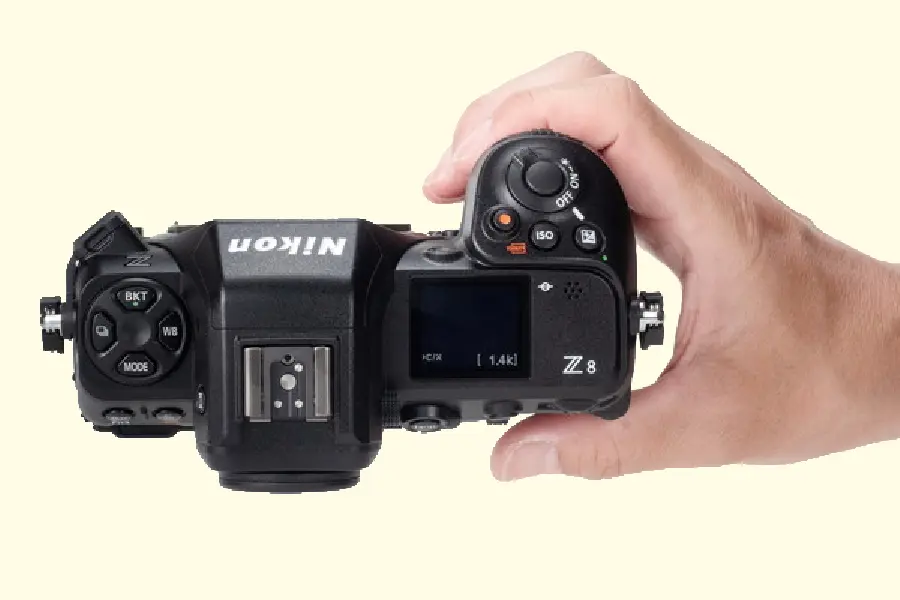
By removing the built-in vertical grip of the Z9 and reducing size, the Z8 has adopted a more portable design. This reduces fatigue during long shooting sessions.
Dual Card Slots
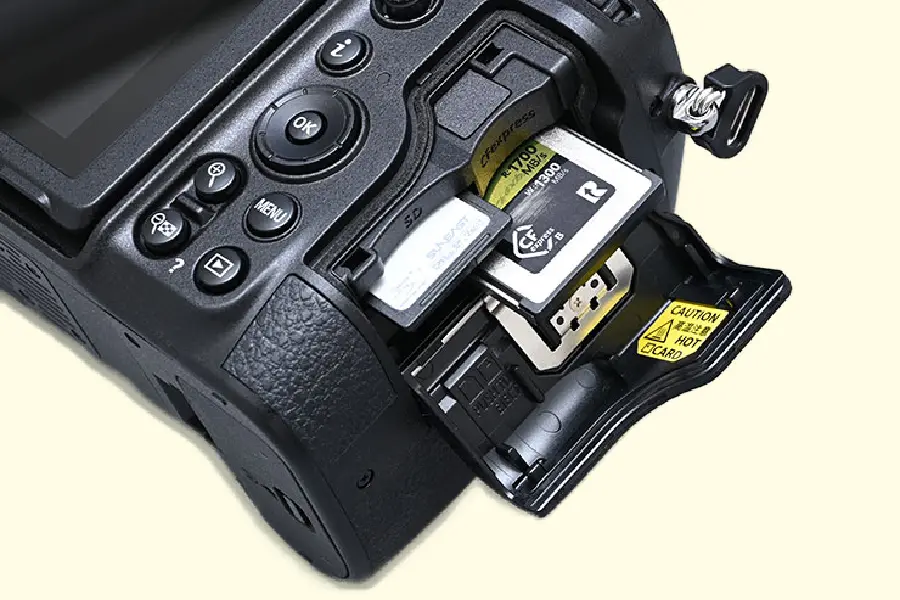
The Z8 provides dual card slots that can simultaneously use CFexpress Type B / XQD cards and SD UHS-II cards. This allows for adapting to various workflows.
Improved Connectivity
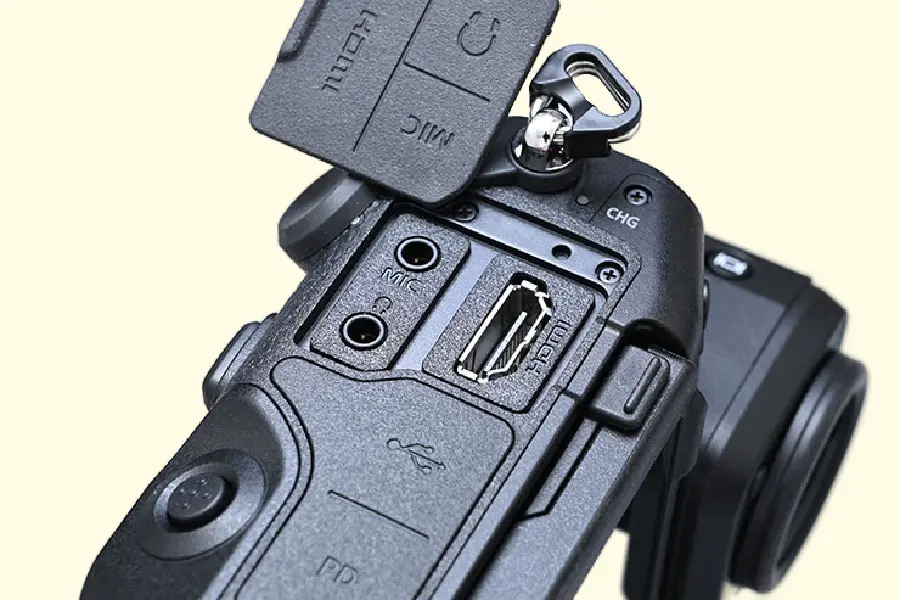
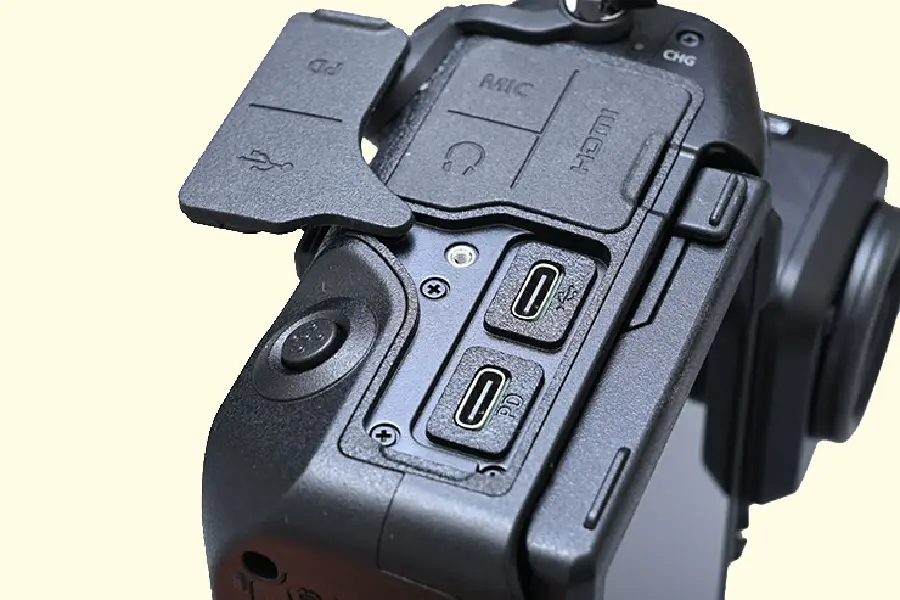
Two USB-C ports are provided, allowing for simultaneous power supply and data transfer. This is useful for tethered shooting or long shooting sessions.
🔋 Battery Life and Power Management
The Nikon Z8 uses the EN-EL15c battery, providing efficient power management.
Battery Performance
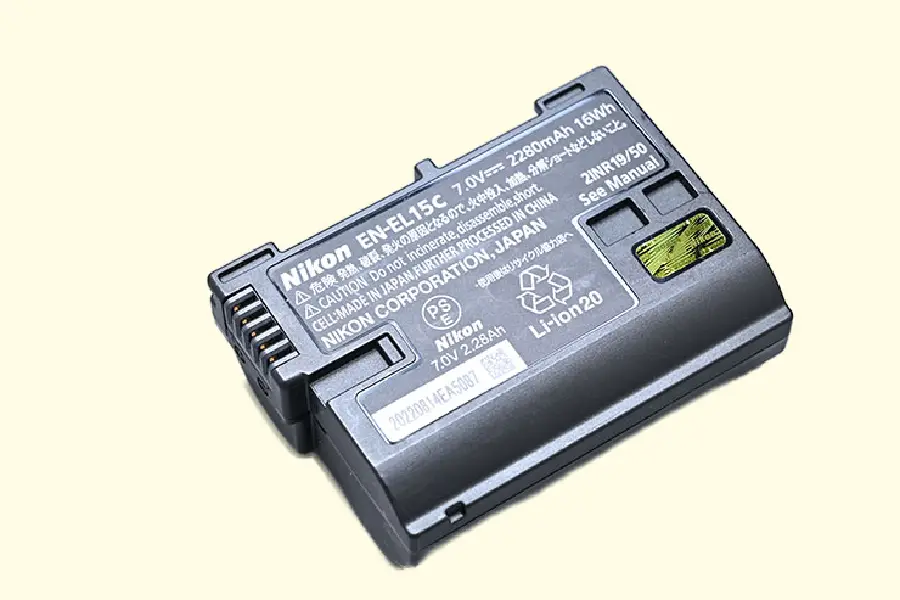
While the EN-EL15c battery is smaller than the Z9’s, it provides sufficient shooting time in typical usage environments. According to CIPA standards, it can shoot about 330-340 photos.
USB-C Charging and Power Delivery
USB-C charging and external power supply are possible, which is convenient for long shooting sessions.
Efficient Power Management
Thanks to efficient power management, the battery doesn’t drain quickly even when the camera is left on for extended periods.
📡 Connectivity and Workflow
The Nikon Z8 provides various connection options considering professional workflows.
Wireless Connectivity
Built-in Wi-Fi and Bluetooth allow connection to smartphones or tablets. Remote shooting and image transfer are possible through the Nikon SnapBridge app.
Wired Connectivity
Full-size HDMI port and USB-C port are provided, allowing for external monitor connection or high-speed data transfer.
FTP Transfer Function
Images can be immediately transferred to a server through the built-in FTP client. This is particularly useful for photojournalists or sports photographers.
🎛️ User Interface and Operability
The Nikon Z8 provides an intuitive user interface and excellent operability.
Improved Menu System
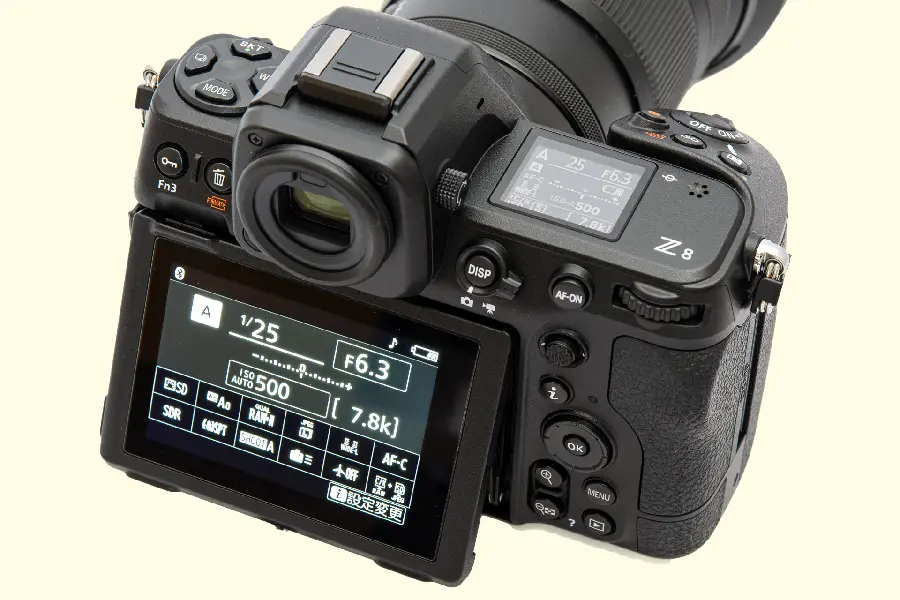
The menu structure has been improved to be more intuitive, allowing for quickly finding desired settings. Menu operation through the touch screen is also possible.
Customization Options
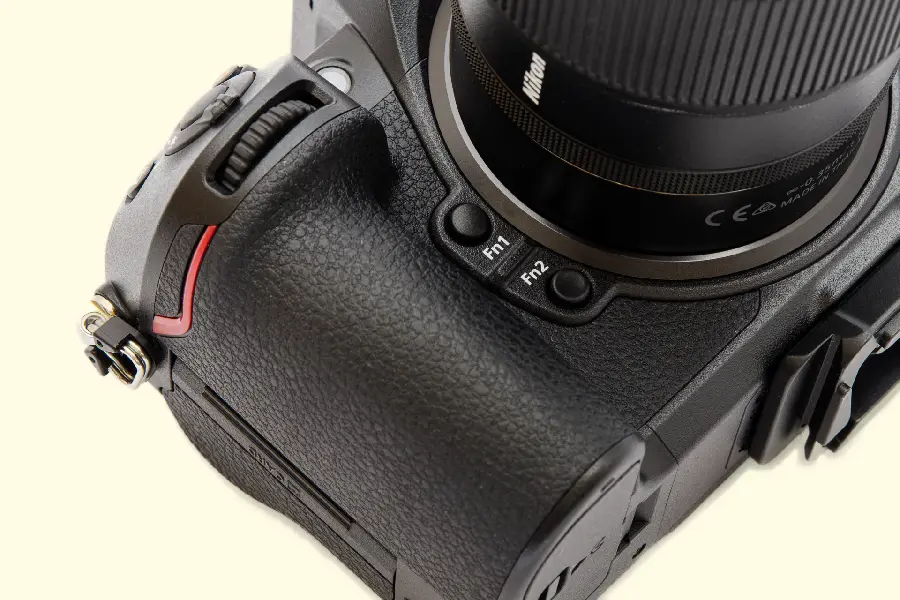
Numerous custom buttons and assignable controls are provided, allowing for settings that match the user’s shooting style.
Voice Memo Function
There’s a function to add voice memos when shooting, allowing for immediate recording of shooting situations or settings.
🆚 Comparison with Competitors
The main competitors of the Nikon Z8 include the Sony A1, Canon EOS R5, and Sony A7R V.
Comparison with Sony A1

- Resolution: Sony A1 is 50MP, Nikon Z8 is 45.7MP
- Burst speed: Sony A1 is 30fps, Nikon Z8 is 120fps (at 11MP)
- Video: Both cameras support 8K recording
- Price: Nikon Z8 is in a more affordable price range
Comparison with Canon EOS R5

- Resolution: Canon R5 is 45MP, Nikon Z8 is 45.7MP
- Burst speed: Canon R5 is 20fps, Nikon Z8 is 30fps (at full resolution)
- Video: Both cameras support 8K, but Z8 provides longer recording time
- AF system: Both cameras offer excellent AF performance, but preference may vary depending on usage experience
Comparison with Sony A7R V

- Resolution: Sony A7R V is 61MP, Nikon Z8 is 45.7MP
- Burst speed: Sony A7R V is 10fps, Nikon Z8 is 30fps (at full resolution)
- Video: Nikon Z8 supports 8K, Sony A7R V supports 4K
- AF system: Both cameras provide AI-based subject recognition AF
🌟 Summary of Pros and Cons
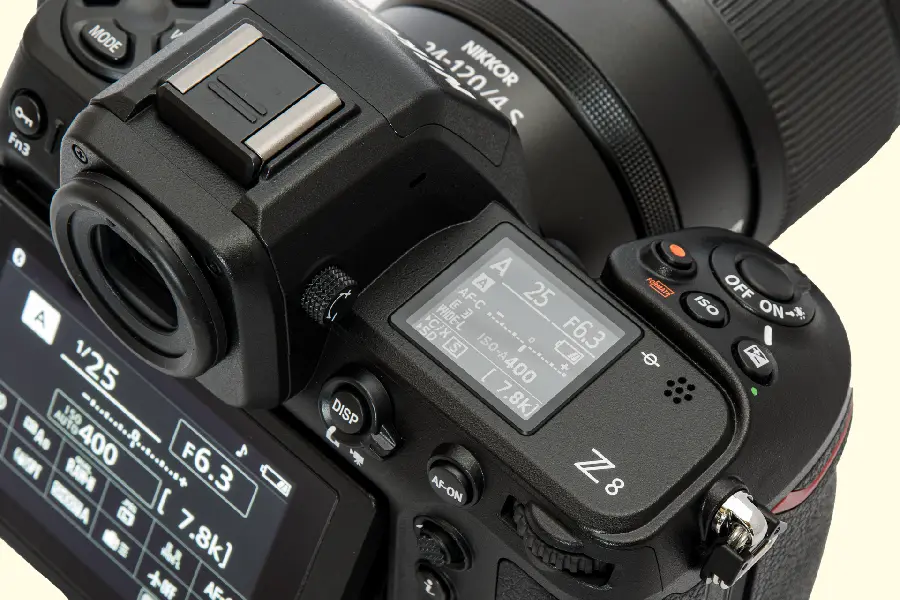
Pros
- Excellent burst performance (up to 120fps)
- High-quality 8K video recording capability
- Powerful and accurate autofocus system
- Superb image quality and dynamic range
- Compact body and improved portability
- Various customization options
- Dual card slots (CFexpress/XQD + SD)
Cons
- Smaller battery capacity compared to Z9
- Body size still large for some users
- Lack of fully articulating screen (tilt-only)
- No built-in GPS function
- Some software limitations on certain features
🎓 Conclusion
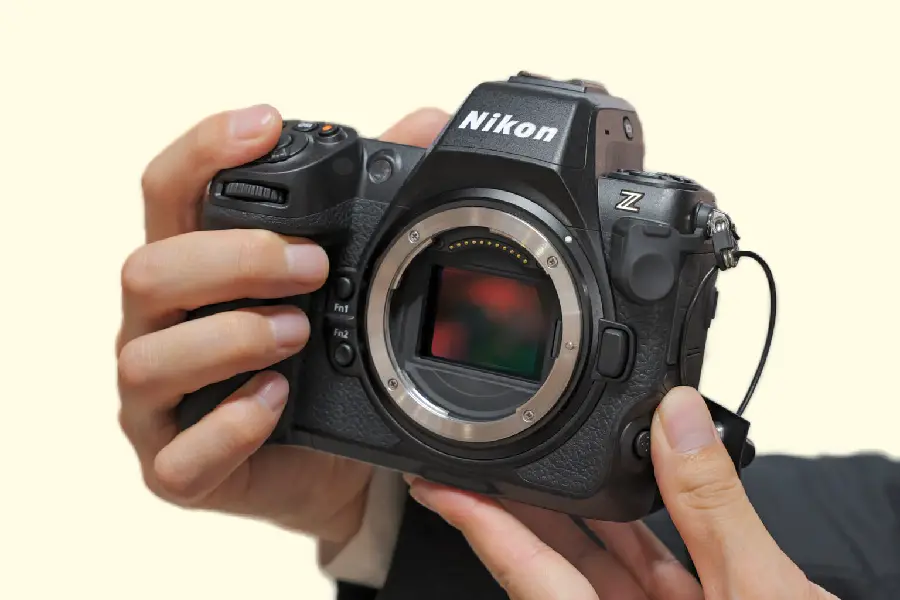
The Nikon Z8 is an excellent camera that brings the core features of the Z9 into a more accessible package. It inherits the main features of the flagship model such as the 45.7MP sensor, 120fps burst capability, and 8K video recording, while providing a smaller and lighter body.
The Z8’s performance particularly shines in fields requiring fast response times such as sports, wildlife, and event photography. Additionally, its high-resolution sensor and excellent dynamic range provide outstanding results in landscape photography or studio shooting.
However, the reduced battery capacity compared to the Z9 or the absence of built-in GPS functionality may be drawbacks for some professional users. Additionally, the adoption of a tilting screen instead of a fully articulating one might be a disadvantage for vloggers or those who frequently shoot self-portraits.
Nevertheless, the Nikon Z8 is highly recommended for both professional photographers and advanced amateurs. It offers the opportunity to experience Z9-level performance at a more accessible price point and excels in most shooting situations.
If you’re looking for an all-around camera with top-notch image quality, fast burst performance, and powerful video capabilities, the Nikon Z8 will be one of the best choices available.
Learn more about the Z8 on Nikon’s official website
We hope this review has been helpful for those considering purchasing the Nikon Z8. Remember that camera choice can vary depending on individual shooting style and needs, so we recommend trying it out in person if possible. Happy shooting!