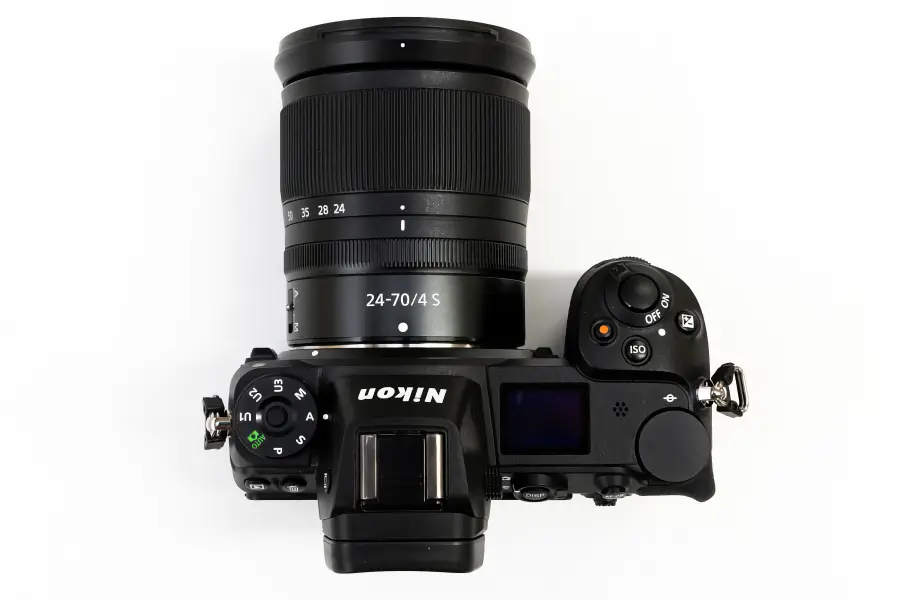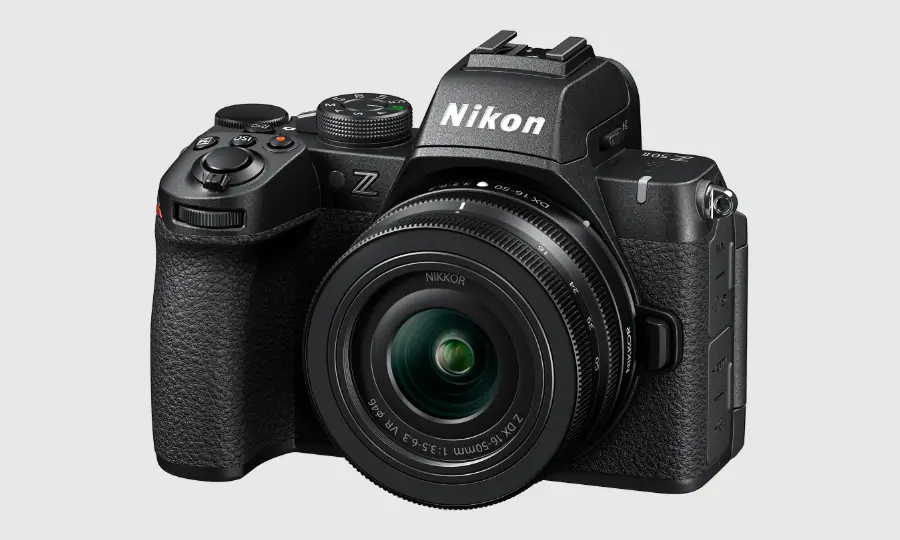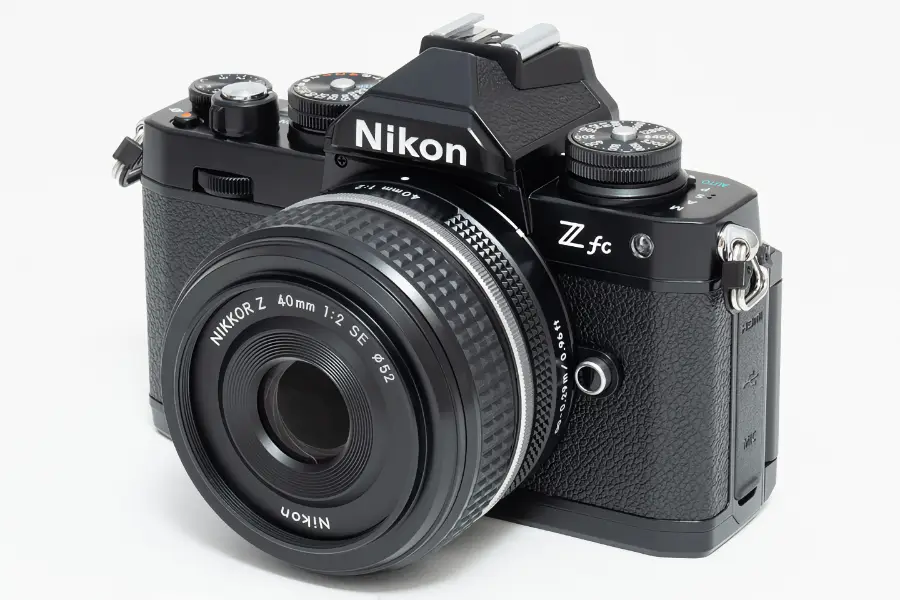

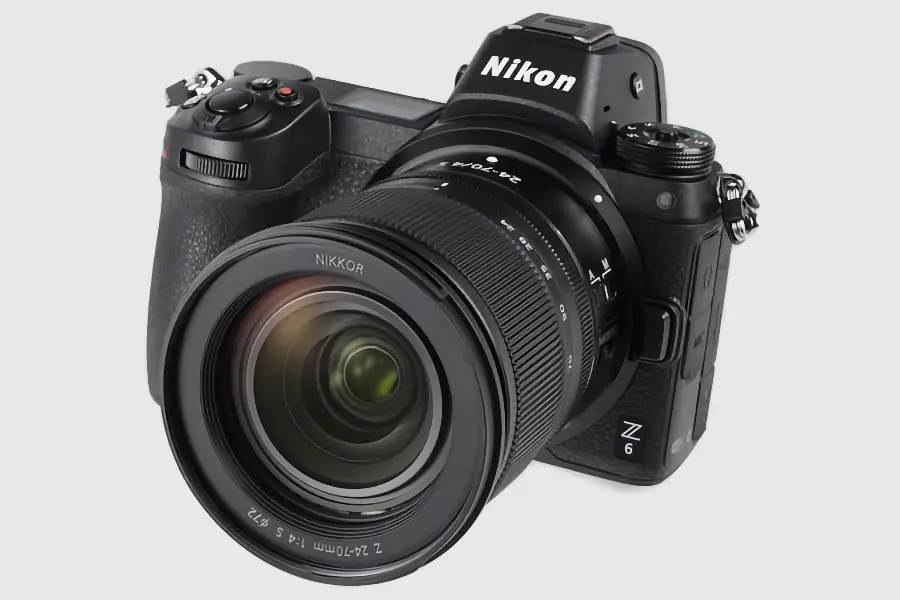
The Nikon Z6, released in late 2018, is a full-frame mirrorless camera that has established itself in the market. As we evaluate it in 2025, over five years after its release, let’s examine whether it still maintains its competitive edge and if it’s worth purchasing. We’ll analyze in detail the camera’s strengths and weaknesses, focusing on its excellent image quality, 4K video capabilities, and competitive pricing.
📊 Nikon Z6 Key Specifications
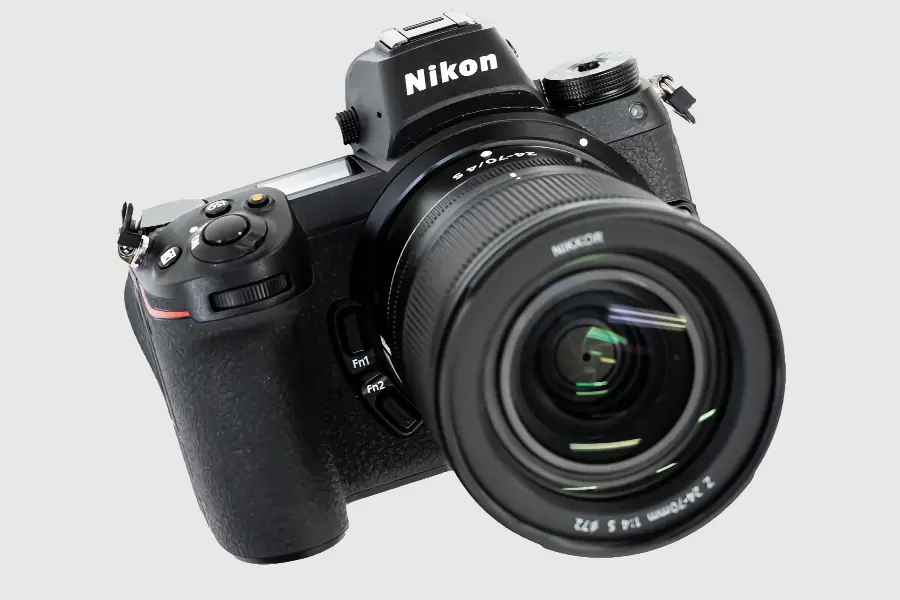
| Specification | Details |
|---|---|
| Sensor | 24.5MP Full-frame BSI CMOS (35.9 x 23.9mm) |
| Processor | EXPEED 6 |
| ISO Range | Native: 100-51,200 Extended: 50-204,800 |
| Continuous Shooting | Up to 12fps (12-bit RAW) Up to 9fps (14-bit RAW) |
| Autofocus | 273-point hybrid AF Phase-detection AF coverage: 90% |
| Image Stabilization | 5-axis in-body stabilization (up to 5 stops) |
| Video | - 4K UHD (3840 x 2160) 30p/25p/24p - 1080/120p - 10-bit N-Log HDMI output - Time-lapse recording |
| Viewfinder | - 3.69M-dot OLED EVF - 0.8x magnification - 60/120Hz refresh rate |
| Monitor | - 3.2-inch 2.1M-dot tilting touch LCD - 170° viewing angle |
| Storage | Single XQD/CFexpress Type B |
| Connectivity | - Wi-Fi 802.11b/g/n/ac - Bluetooth 4.2 - USB Type-C (USB 3.1) - HDMI Type C |
| Battery | EN-EL15b lithium-ion battery Approx. 310 shots (CIPA rated) |
| Weather Sealing | Yes (D850-class level) |
| Body Material | Magnesium alloy |
| Dimensions | 134 x 100.5 x 67.5mm |
| Weight | Approx. 675g (including battery and memory card) |
Let’s now examine the Nikon Z6’s key features and performance in detail.
📸 Image Quality: The Full-Frame Advantage
The Nikon Z6 features a 24.5MP full-frame CMOS sensor. This resolution level meets professional standards and provides sufficient detail for most photographic applications.
Sensor Characteristics
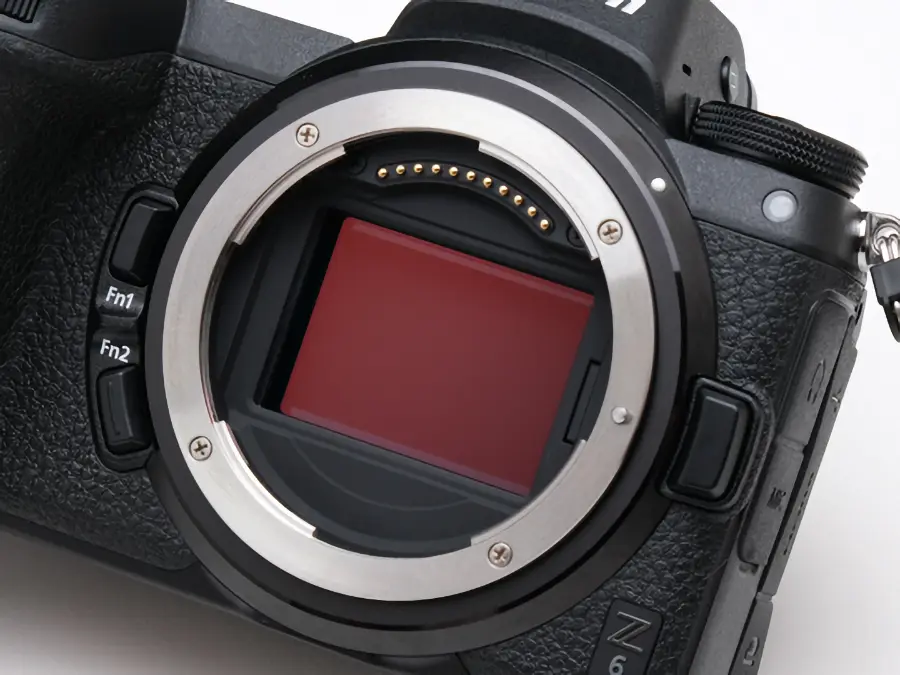
- 24.5MP Resolution: Provides ample detail for large prints and cropping
- Full-frame Sensor: Offers wider angle of view and shallower depth of field compared to APS-C
- BSI (Back-Side Illuminated) Structure: Delivers improved low-light performance
ISO Performance

The Z6’s ISO range spans from 100-51,200, expandable to 50-204,800. In real-world use, images remain clean up to ISO 6400, and even ISO 12800 produces usable results.
Dynamic Range

One of Nikon’s traditional strengths, the wide dynamic range, remains evident in the Z6. It effectively preserves both highlight and shadow detail, providing greater flexibility in post-processing.
Color Reproduction

The Z6 maintains Nikon’s reputation for natural color reproduction. It particularly excels in skin tone rendering, making it ideal for portrait photography.
🎥 Video Performance: The 4K Advantage

The Nikon Z6 excels not only in still photography but also in video recording. It supports 4K/30p recording and provides sharp footage through full pixel readout.
Key Video Features
- 4K/30p Recording: Delivers sharp 4K footage through full-frame sensor oversampling
- 1080/120p: Enables slow-motion video recording
- N-Log: Supports 10-bit 4:2:2 HDMI output for wider dynamic range recording
- ProRes RAW: Supports ProRes RAW recording to external recorders with an upgrade
Video AF Performance

The Z6’s phase-detection AF provides smooth and accurate focusing during video recording. Face detection and eye AF features are also supported, proving useful for portrait shooting.
Image Stabilization

The 5-axis in-body image stabilization system effectively compensates for camera shake even without VR-enabled lenses. This is particularly beneficial for handheld video recording.
🔍 Autofocus System: Fast and Precise Focusing

The Nikon Z6 features 273 phase-detection AF points. This system covers approximately 90% of the image area, enabling fast and accurate focusing across almost the entire frame.
AF System Features
- 273-point Hybrid AF: High-density AF system covering a wide area
- Low-light AF: Excellent low-light performance down to -3.5EV
- Eye AF: Enhanced eye AF capability for accurate subject eye detection
AF Modes
- Single-point AF: Ideal for still life photography requiring precise point selection
- Dynamic-area AF: Useful for tracking moving subjects
- Wide-area AF: Automatic subject detection across a broad area
- Auto-area AF: Camera automatically identifies and tracks main subjects
AF Performance Evaluation
In real-world use, the Z6’s AF system provides fast and accurate focusing in most situations. It performs particularly well with static or slowly moving subjects. However, in extreme situations like fast sports or wildlife photography, it may show slightly lower tracking performance compared to flagship DSLR models.
📱 Operation and Interface: Intuitive and Convenient Use
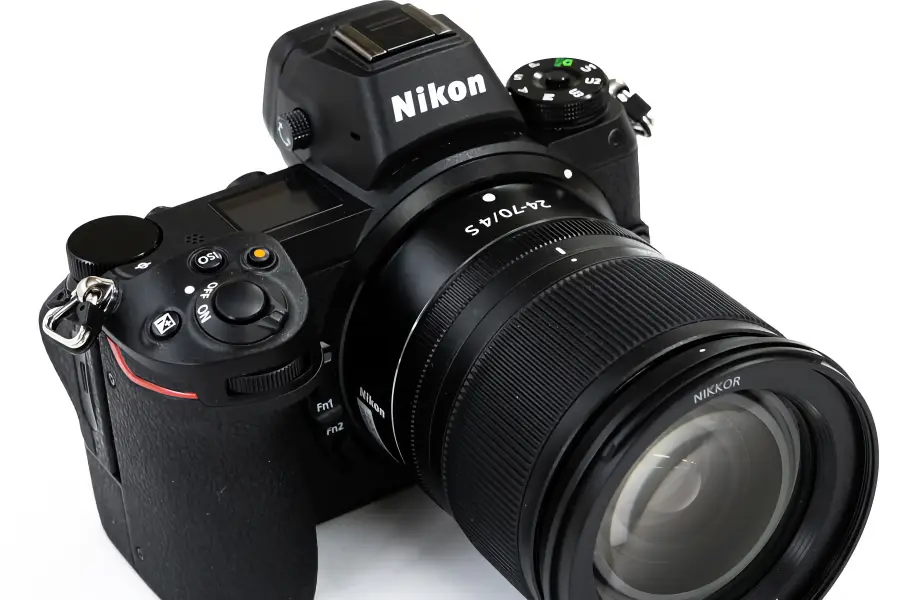
The Nikon Z6 maintains familiar controls for DSLR users transitioning to mirrorless while incorporating the advantages of mirrorless camera interfaces.
Body Design
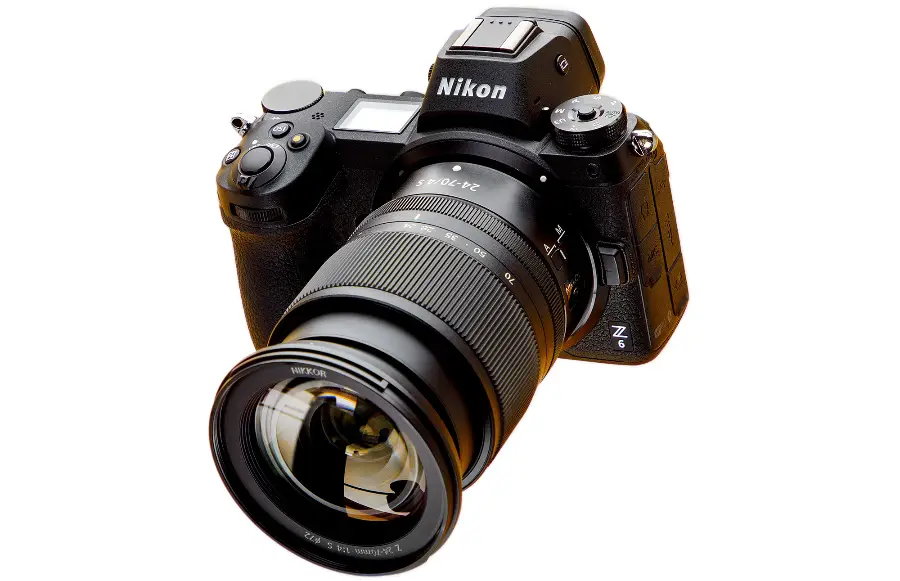
- Compact Size: Smaller and lighter than DSLRs, offering superior portability
- Robust Magnesium Alloy Body: Weather-sealed design for use in harsh conditions
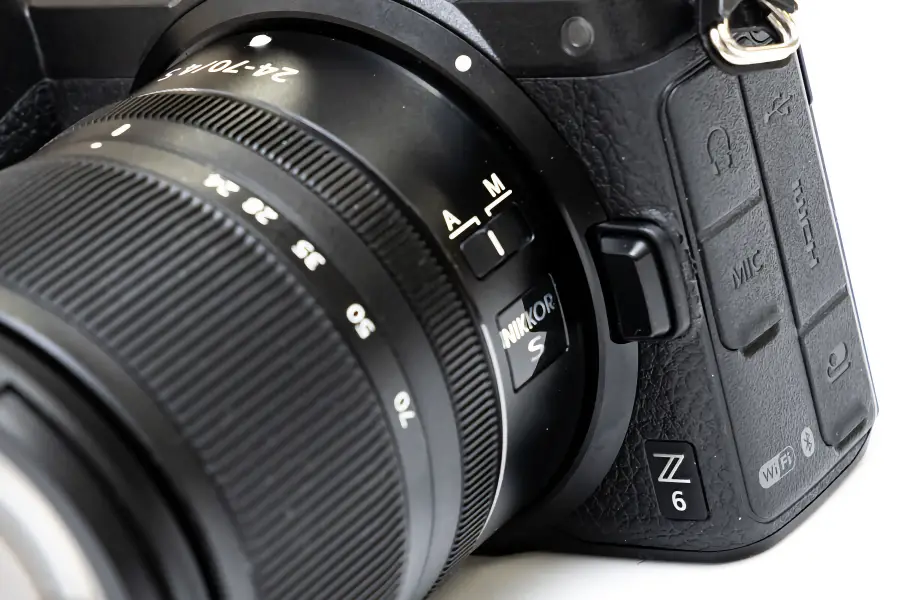
- Ergonomic Grip: Provides stable handling despite the compact body
Control Layout
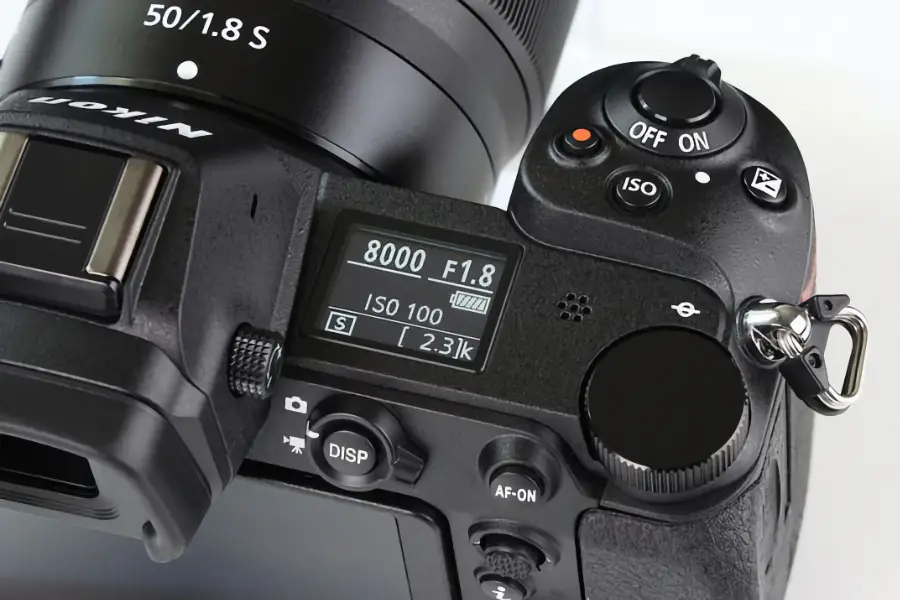
- DSLR-style Controls: Button layout familiar to Nikon DSLR users
- Customizable Buttons: Ability to assign frequently used functions to preferred buttons
- Top LCD Panel: Quick access to key settings
Electronic Viewfinder (EVF)
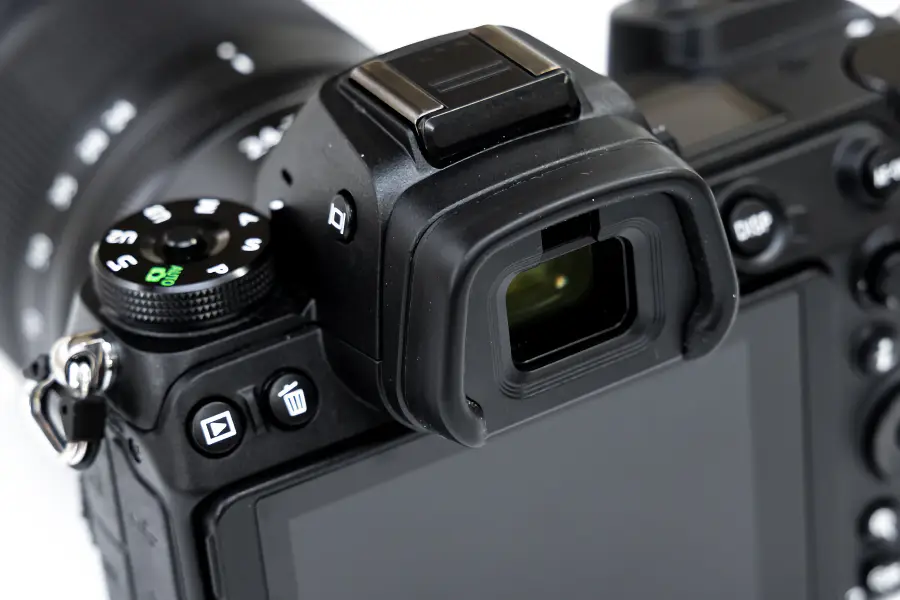
- 3.69M-dot OLED EVF: Provides clear and natural image display
- 0.8x Magnification: Offers wide field of view
- Minimal Lag: Near real-time viewfinder image
Touchscreen LCD
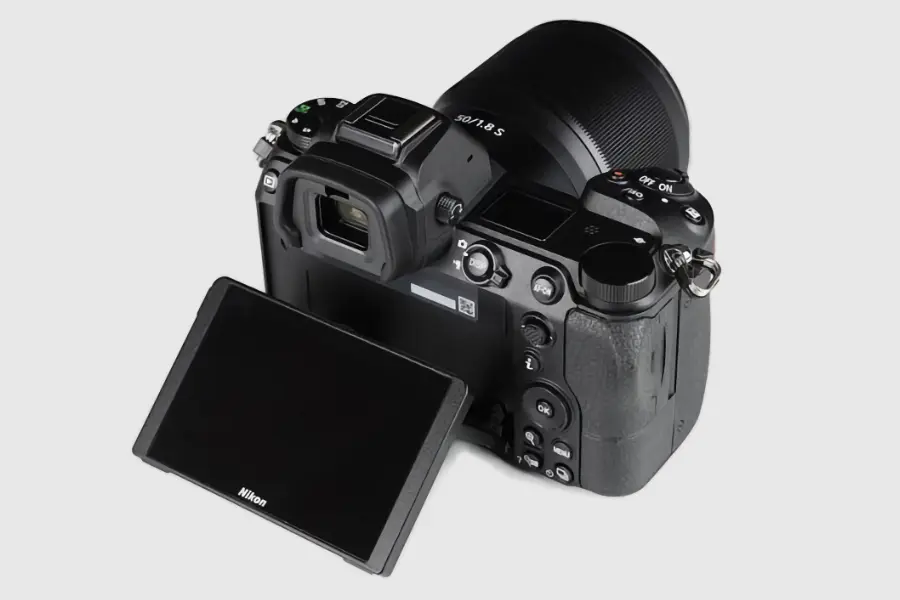
- Touch Focus and Shutter: Intuitive focus point selection and shooting
- Menu Navigation: Touch-enabled menu operation
- Playback Multi-touch Support: Pinch-to-zoom and image browsing with finger gestures
🔋 Battery Performance and Connectivity: Focus on Practicality
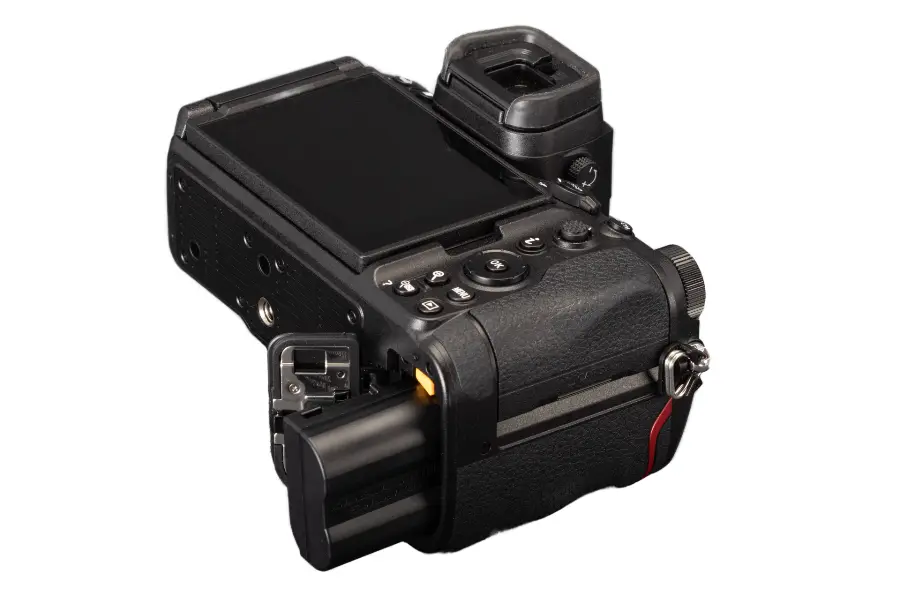
Battery Life
The Nikon Z6 uses the EN-EL15b battery, rated for approximately 310 shots per CIPA standards. While this is average for mirrorless cameras, it’s shorter than typical DSLR battery life.
- USB Charging Support: Enables charging while camera remains powered
- Compatibility: Compatible with existing EN-EL15 series batteries (some features limited)
- Power Saving Mode: Supports power-saving mode to extend battery life
Connectivity
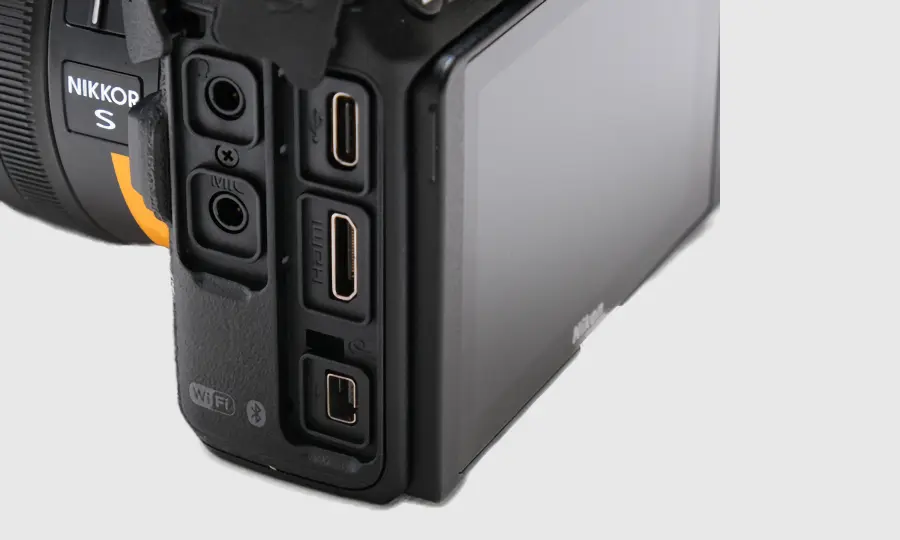
The Z6 offers various connectivity options to enhance workflow:
- Wi-Fi and Bluetooth: Smartphone connection via SnapBridge app
- USB-C: High-speed data transfer and charging
- HDMI: Supports 4K video external output
- Headphone and Microphone Jacks: Professional audio monitoring and recording capability
💾 Storage Media: Pros and Cons of XQD/CFexpress
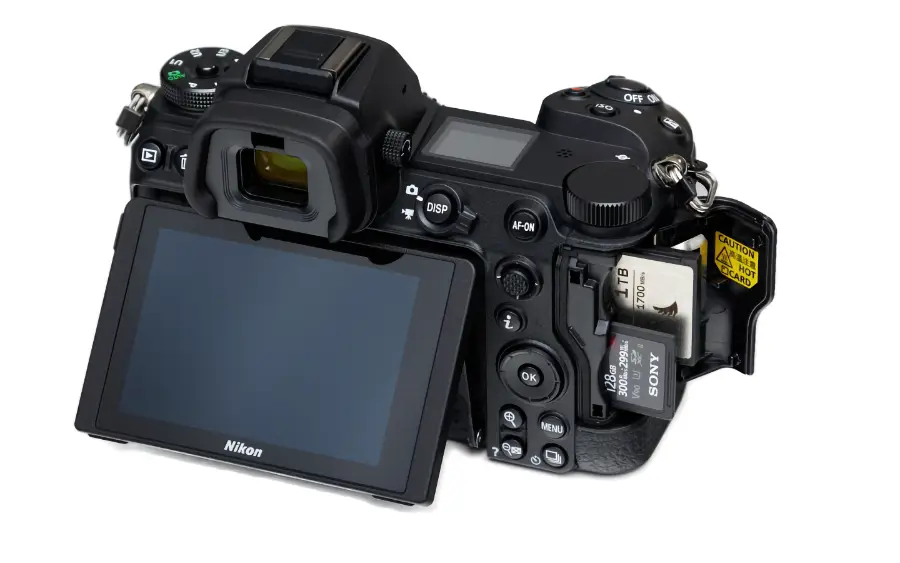
The Nikon Z6 adopts an XQD card slot, with CFexpress Type B support via firmware update.
Advantages
- High-speed Data Transfer: Beneficial for continuous shooting and large file handling
- Reliability: Robust structure reduces data corruption risk
- Future-proof: Ongoing development potential of CFexpress
Disadvantages
- Single Slot: Lack of dual card slots for backup
- High Cost: Relatively expensive compared to SD cards
- Compatibility: Cannot use existing SD cards
🔍 Lens Selection: Z Mount System Possibilities
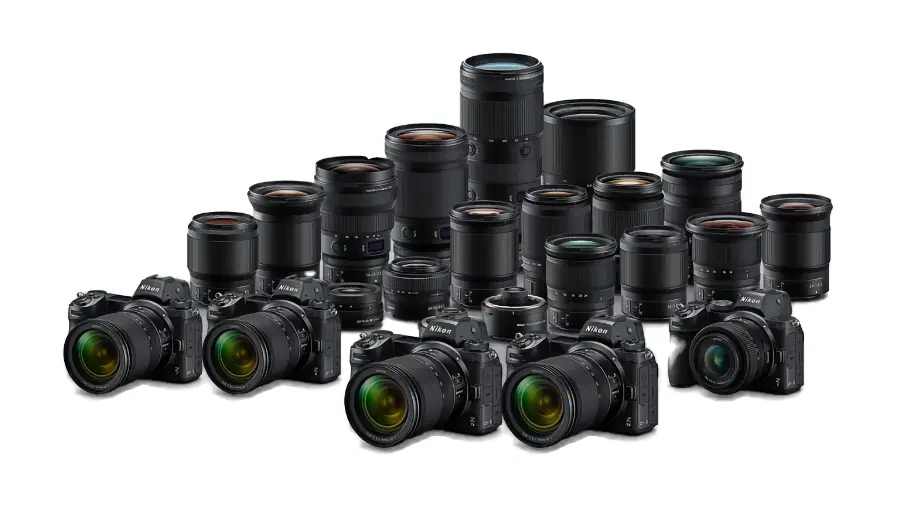
The Nikon Z6 features the new Z mount, opening new possibilities for future lens design.
Z Mount Features
- Large Diameter: 55mm mount diameter enables bright lens designs
- Short Flange Distance: 16mm flange distance allows compact lens designs
- Electronic Contacts: 12 contacts for fast data transfer and enhanced AF performance
Nikon Z Lens Lineup
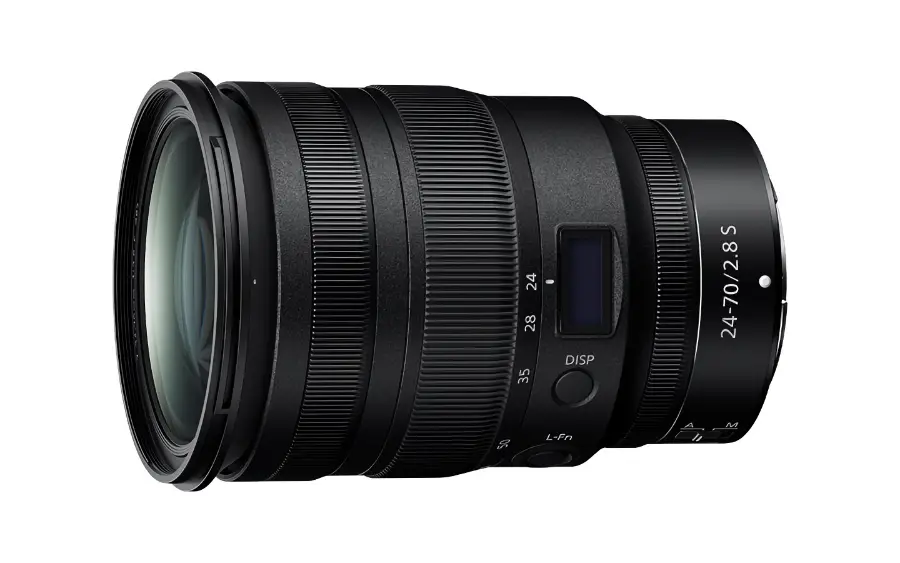
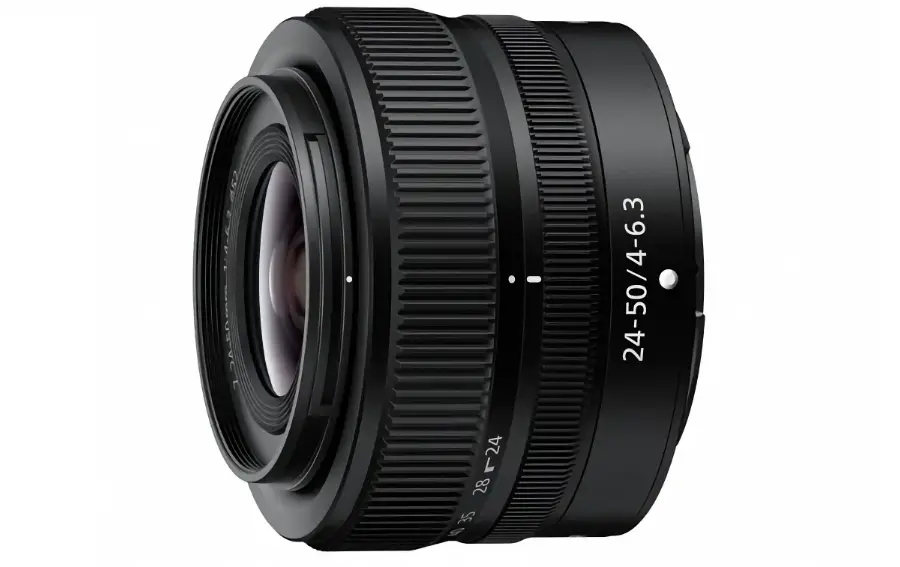
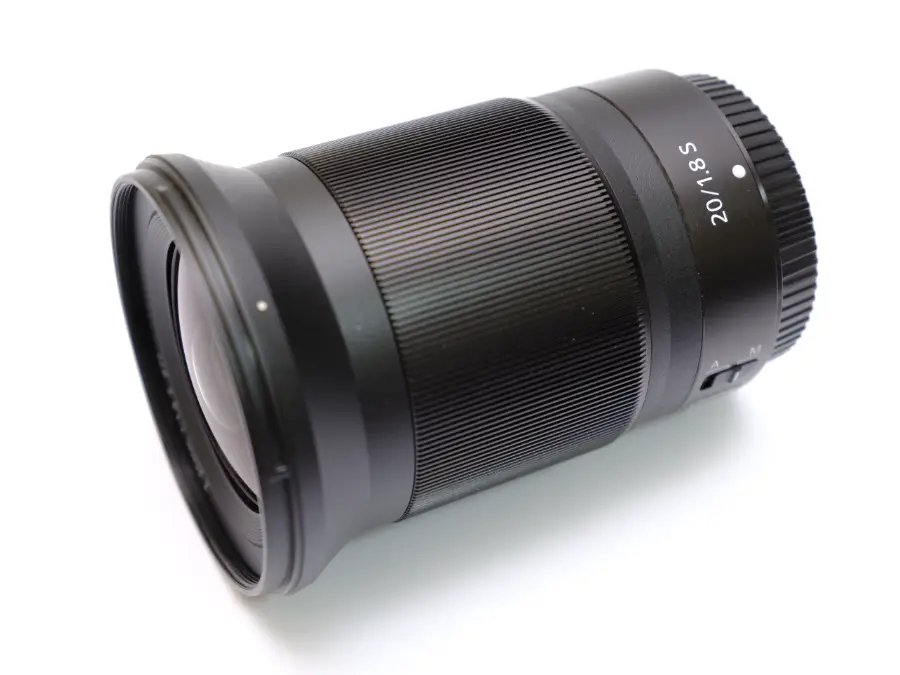
- f/1.8 Series: Value-oriented large-aperture prime lenses (24mm, 35mm, 50mm, 85mm, etc.)
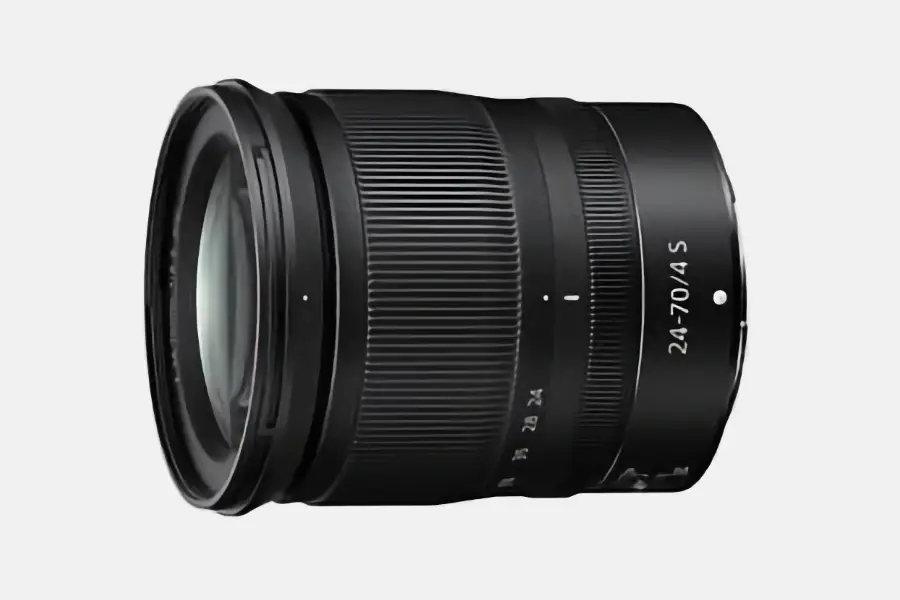
- f/2.8 Zoom Lenses: Professional 14-24mm, 24-70mm, 70-200mm, etc.
- Specialty Lenses: Macro, wide-angle zoom, and other specialized shooting situation lenses
FTZ Mount Adapter
Nikon provides the FTZ adapter to use F-mount lenses on Z-mount cameras, allowing utilization of existing Nikon lens assets.
- Full AF-S Lens Support: AF and VR functions operate normally
- AI Lens Support: Manual focus and exposure support
- Weight Balance Consideration: Includes tripod mount
However, there are some limitations when using the FTZ adapter:
- Autofocus support limited to AF-P and some AF-S lenses
- Screw-drive AF lenses limited to MF only
- Caution needed with lenses weighing over 1.3kg
📊 Performance Evaluation: Real-World Experience
Let’s evaluate the Nikon Z6’s performance in various shooting scenarios based on real-world experience.
Still Photography

- General Photography: Excellent for everyday shooting with quick AF and superior image quality
- Landscape Photography: Impressive dynamic range and sharp detail rendition
- Portrait Photography: Natural skin tones and beautiful bokeh rendering
- Sports/Action: 12fps continuous shooting captures decisive moments, though AF tracking slightly lags behind top-tier DSLRs
Video Recording

- 4K Video Quality: Delivers sharp footage through oversampling
- AF Performance: Smooth and accurate focusing in most situations
- Image Stabilization: Effective IBIS enables stable handheld shooting
- Profiles: Professional editing capability with N-Log and ProRes RAW support
Low-Light Performance

- High ISO Noise: Usable results up to ISO 6400
- AF Sensitivity: Functions down to -3.5EV, maintaining focus in dark conditions
💡 Firmware Updates: Continuous Performance Enhancement
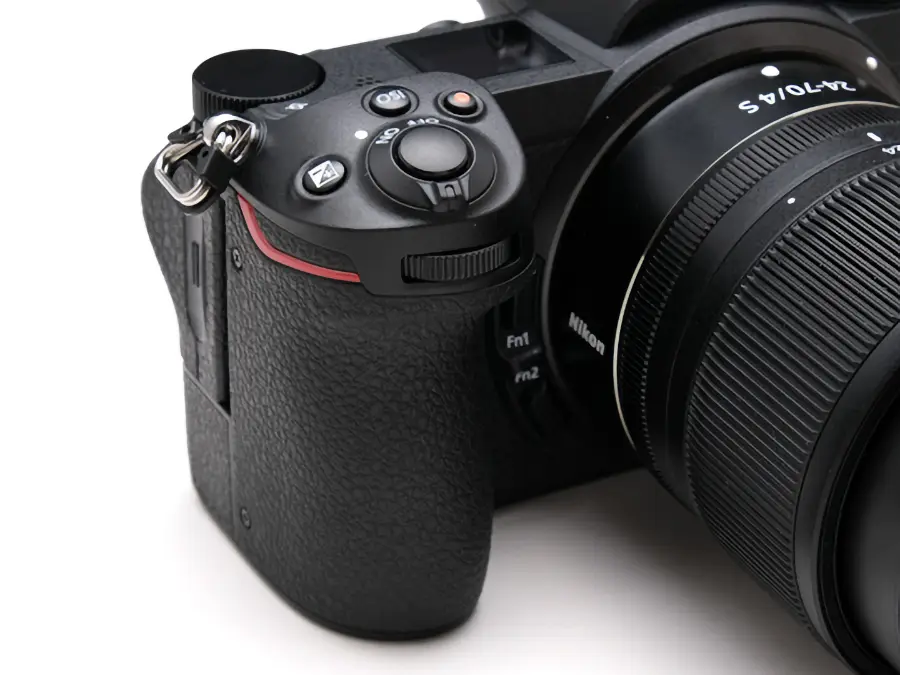
Nikon has consistently improved the Z6’s functionality through firmware updates since its release.
Major Firmware Update Contents
- Version 2.0: Added Eye AF, improved AF performance
- Version 3.0: Added Animal Eye AF, CFexpress card support
- Latest Version: Added RAW video output support, further AF performance improvements
These ongoing updates extend the Z6’s lifespan and enhance its value proposition.
💰 Price-Performance Ratio: 2025 Assessment
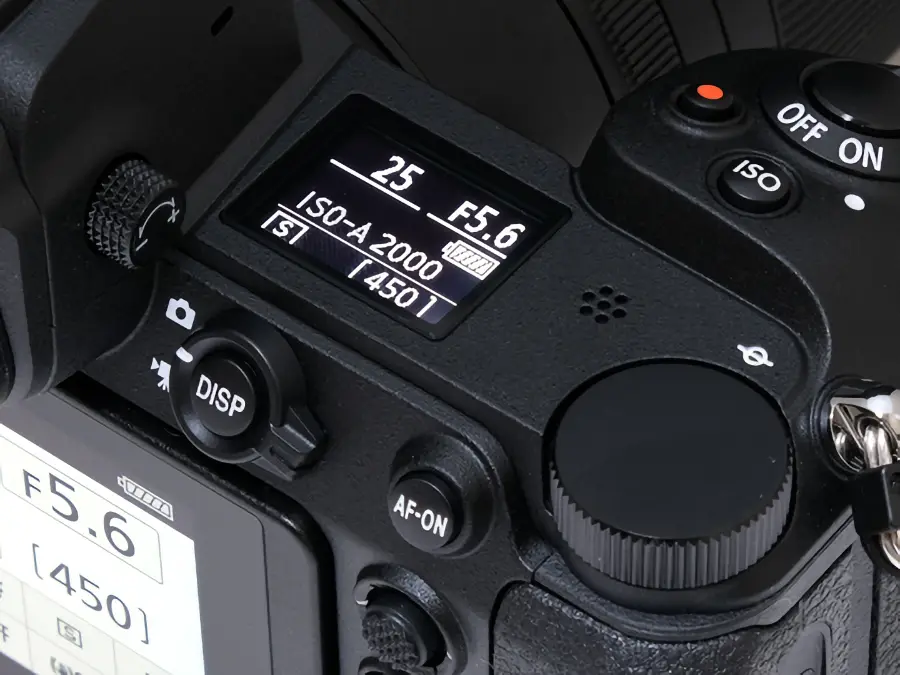
In 2025, the Nikon Z6 offers even more attractive value than at launch, with lower prices available in the used market.
Price Competitiveness
- New Price: Approximately $1,500-1,600 (as of September 2025)
- Used Price: $1,000-1,200 (depending on condition)
Comparison with Competing Models
- Sony A7 III: Similar specs and price point. Slightly better AF performance, but Z6 often preferred for handling and color rendition
- Canon EOS R: Higher resolution but Z6 leads in video features and IBIS
- Panasonic Lumix S1: Superior video performance but Z6 offers better AF performance
🎯 Comparison with Key Competitors
| Specification | Nikon Z6 | Sony A7 III | Canon EOS R | Panasonic S1 | Canon EOS R6 | Sony A7 IV |
|---|---|---|---|---|---|---|
| Sensor | 24.5MP Full-frame BSI CMOS | 24.2MP Full-frame BSI CMOS | 30.3MP Full-frame CMOS | 24.2MP Full-frame CMOS | 20.1MP Full-frame CMOS | 33MP Full-frame CMOS |
| Continuous Shooting | 12fps | 10fps | 8fps | 9fps | 12fps | 10fps |
| AF Points | 273 points | 693 points | 5,655 points | 225 points | 6,072 points | 759 points |
| Image Stabilization | 5-axis (5.0 stops) | 5-axis (5.0 stops) | Lens-based | 5-axis (6.0 stops) | 5-axis (8.0 stops) | 5-axis (5.5 stops) |
| 4K Video | 30p | 30p | 30p | 60p | 60p | 60p |
| EVF | 3.69M dots | 2.36M dots | 3.80M dots | 5.76M dots | 3.80M dots | 3.78M dots |
| LCD | 3.2" tilting 2.1M dots | 3.0" tilting 922K dots | 3.15" vari-angle 2.1M dots | 3.2" tilting 2.1M dots | 3.0" vari-angle 1.62M dots | 3.0" vari-angle 1.04M dots |
| Card Slots | 1x XQD/CFe | 2x SD (1 UHS-II) | 1x SD (UHS-II) | 2x SD/XQD | 2x SD (UHS-II) | 2x SD (UHS-II) |
| Battery Life | 310 shots | 710 shots | 370 shots | 400 shots | 360 shots | 580 shots |
| Weight | 675g | 650g | 660g | 1,021g | 680g | 659g |
| Launch Price | $1,999 | $1,999 | $2,299 | $2,499 | $2,499 | $2,499 |
Key Feature Comparison:
- Nikon Z6: Excellent video performance and robust build
- Sony A7 III: Superior AF performance and battery life
- Canon EOS R: High resolution and Dual Pixel AF
- Panasonic S1: High-resolution EVF and 6K photo capability
- Canon EOS R6: Outstanding AF and IBIS performance
- Sony A7 IV: High-resolution sensor and enhanced video features
🎯 Buying Considerations: Who Should Buy It?
The Nikon Z6 is particularly suitable for:
- DSLR users transitioning to mirrorless
- Hybrid shooters working with both photos and videos
- Users seeking full-frame quality and performance at a reasonable price
- Photographers wanting a lighter system for travel and everyday shooting
- Users looking to leverage existing Nikon lenses while enjoying mirrorless benefits
🔮 Conclusion: Still a Strong Choice in 2025
The Nikon Z6 remains an attractive full-frame mirrorless camera in 2025. It offers excellent image quality, superior video performance, and competitive pricing, making it suitable for a wide range of users.
While it may lag behind the latest models in some features, it maintains competitiveness in fundamental shooting performance and image quality. Particularly considering its price-to-performance ratio, it presents an excellent choice for users looking to enter the full-frame mirrorless system.
However, there may be limitations for professional work requiring dual card slots or top-tier AF tracking performance for sports photography. These users might want to consider higher-end models like the Z6 II or Z7 II.
In conclusion, the Nikon Z6 remains a worthwhile camera to consider in 2025. If you’re looking to experience full-frame quality and performance at a reasonable price point, the Nikon Z6 represents an excellent choice.