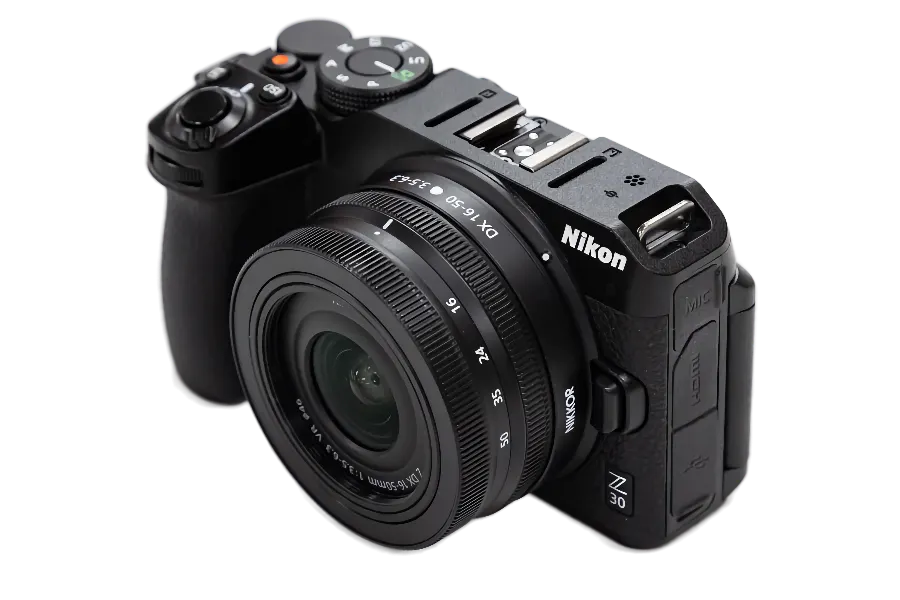

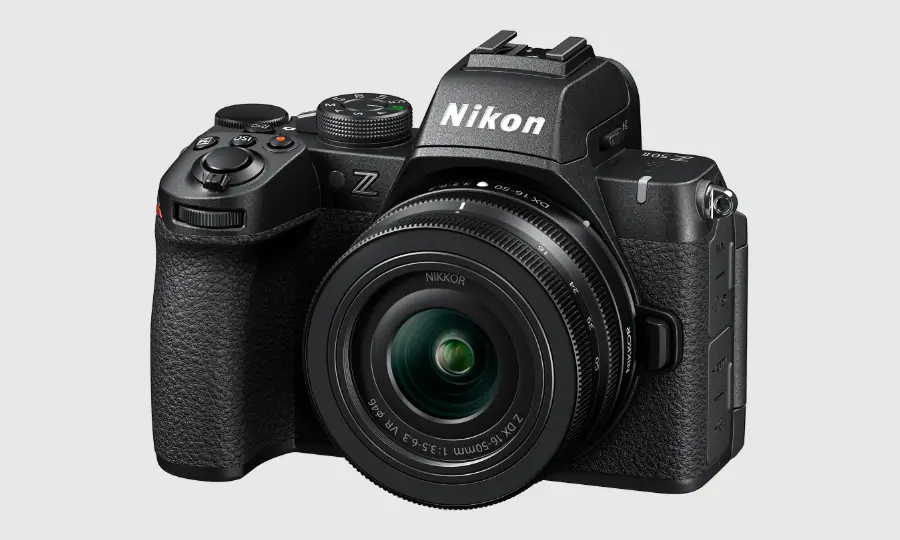
Hello! Today we’ll dive deep into the Nikon Z50 II, a next-generation APS-C mirrorless camera that Nikon has unveiled after five years. In this review, we’ll focus on major upgrade points including the Z9-level AF system integration, enhanced video capabilities, and improved usability, along with real-world usage experience.
📊 Detailed Specifications
| Category | Specification |
|---|---|
| Sensor Type | 20.9MP APS-C CMOS (23.5 x 15.7mm) |
| Image Processor | EXPEED 7 |
| AF System | 209-point hybrid AF |
| AF Sensitivity | -4.5 to +19 EV |
| AF Features | 9-subject detection, 3D tracking |
| Continuous Shooting | Mechanical: 11fps, Electronic: up to 30fps |
| Shutter Speed | Mechanical: 1/4000-30s, Electronic: 1/8000-30s |
| ISO Range | Native: 100-51,200, Extended: 204,800 |
| Viewfinder | 2.36M-dot OLED EVF (1000 nits) |
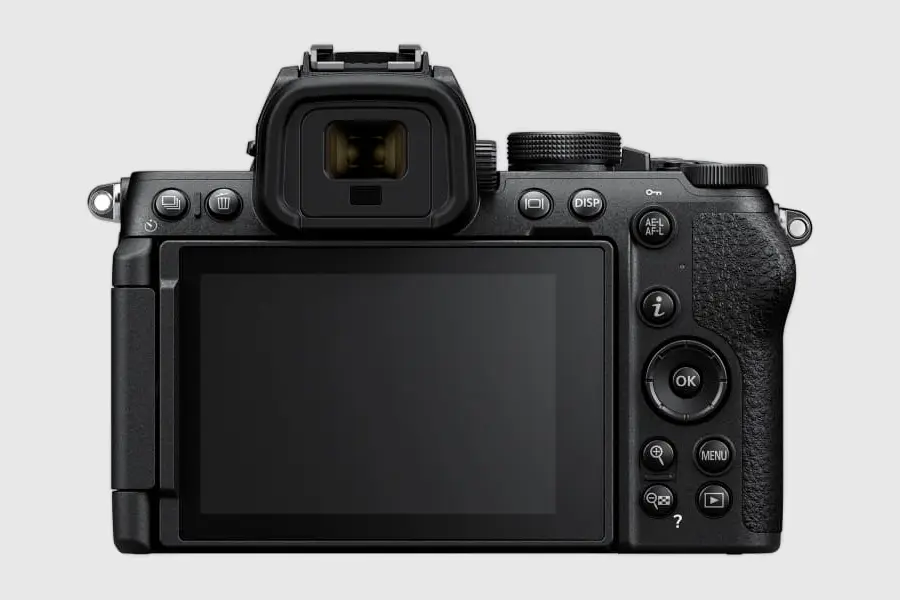
| LCD | 3.0-inch 1.04M-dot fully articulating touchscreen |
| Video | 4K 30p (full-frame), 4K 60p (1.5x crop) |
| Video Features | N-Log, 10-bit 4:2:2 internal recording, waveform |
| Storage | Single UHS-II SD card slot |
| Connectivity | USB-C, microphone, headphone, micro HDMI |
| Battery | EN-EL25a Li-ion |
| Dimensions/Weight | 126.5 x 93.5 x 60mm / 450g |
💫 Competitor Comparison
| Feature | Nikon Z50 II | Sony a6600 | Canon R7 | Fujifilm X-S20 | OM-5 | Panasonic GH5M2 |
|---|---|---|---|---|---|---|
| Sensor | 20.9MP APS-C | 24.2MP APS-C | 32.5MP APS-C | 26.1MP APS-C | 20.4MP M4/3 | 20.3MP M4/3 |
| AF Points | 209 | 425 | 651 | 425 | 121 | 225 |
| Cont. Shooting | 11/30fps | 11fps | 15fps | 14fps | 10fps | 12fps |
| IBIS | No | Yes | Yes | Yes | Yes | Yes |
| 4K Video | 30p/60p | 30p | 60p | 60p | 30p | 60p |
| Battery Life | ~400 shots | ~810 shots | ~660 shots | ~750 shots | ~310 shots | ~410 shots |
| Price | $900 | $1,400 | $1,500 | $1,299 | $1,199 | $1,299 |
🎯 Design and Ergonomics
Improved Grip and Handling
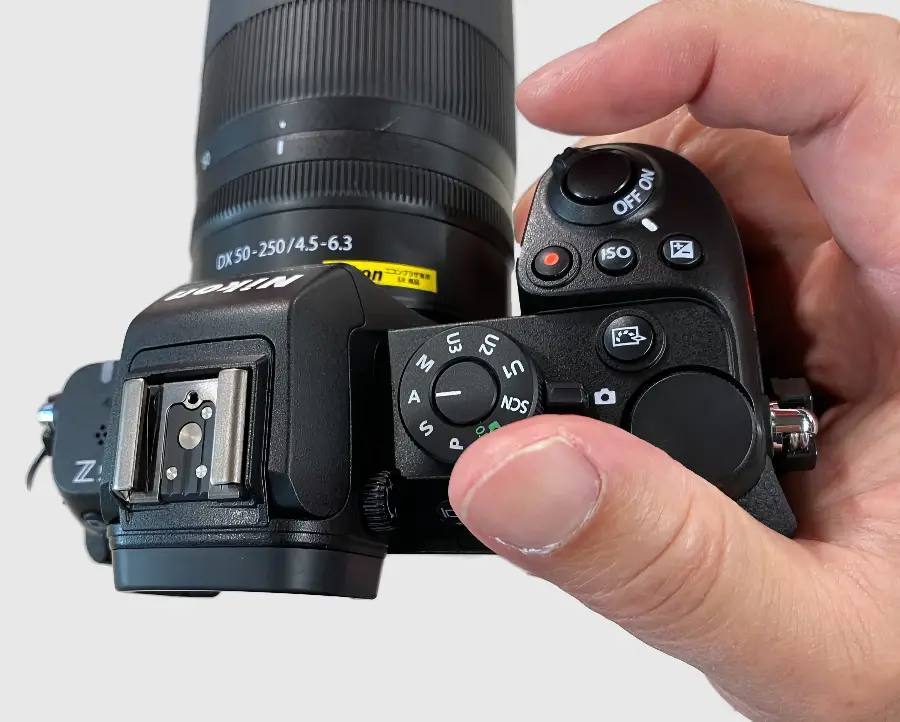
The Nikon Z50 II features a slightly increased thickness compared to its predecessor, resulting in a more stable grip. It maintains excellent balance even when paired with large-aperture lenses like the 85mm F1.2. The body offers premium finishing with an overall robust feel.
Enhanced Display System
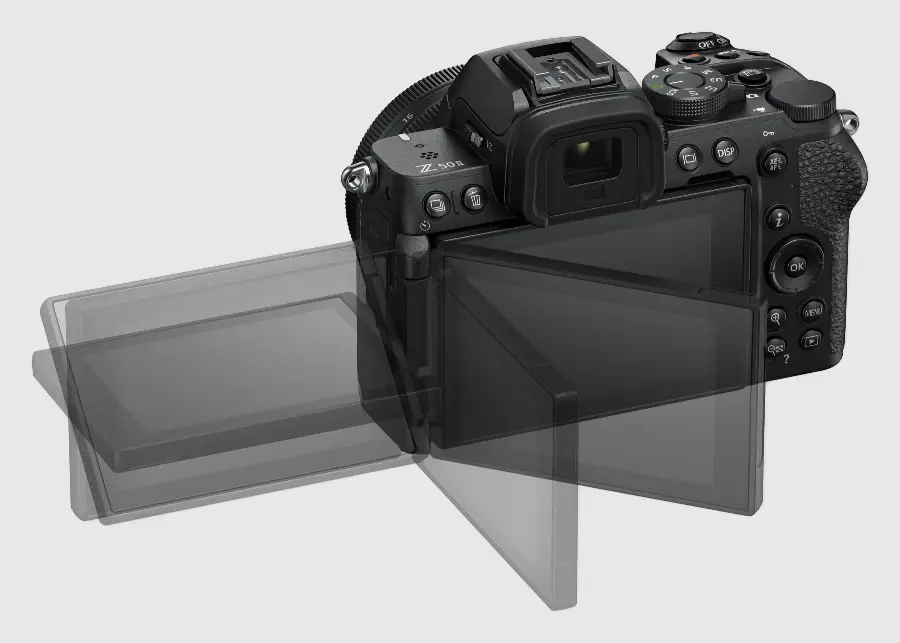
The switch from a tilting screen to a fully articulating one marks significant progress. This makes vlogging and self-portraits much more convenient, enabling shooting from various angles. The EVF has been upgraded to 1000 nits brightness, greatly improving outdoor visibility.
Intuitive Control Layout
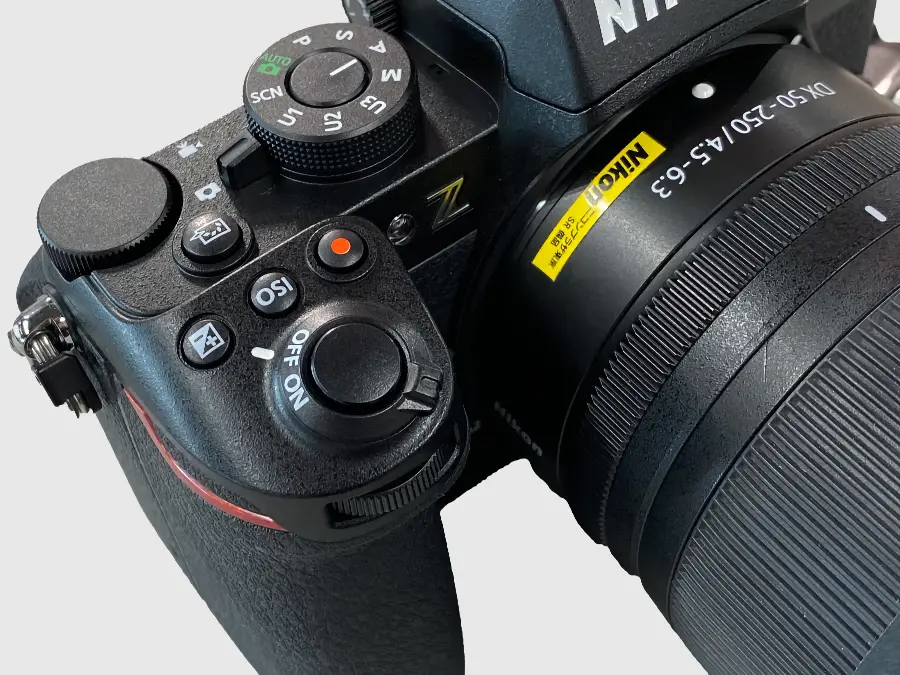
The newly added Picture Control button and improved button layout enhance operability. The well-implemented combination of touchscreen and physical buttons makes it easy for beginners to use.
📸 Image Performance and Quality
Proven Sensor Reliability

The 20.9MP APS-C sensor, proven since the D500 era, delivers consistent image quality. It provides clean images throughout its native ISO 100-51,200 range, with particularly practical noise control up to ISO 6400.
Power of the EXPEED 7 Processor

The new EXPEED 7 processor significantly improves image processing speed and quality. RAW file detail rendering and dynamic range have been enhanced, with impressive detail preservation in highlight and shadow areas.
Enhanced Color Reproduction

Nikon’s characteristic natural color science has been further refined. Skin tone reproduction is particularly excellent, while landscape colors, especially sky and vegetation, are rendered attractively.
🎯 Innovative AF System

Z9-Level Subject Recognition
Supporting 9 subject detection modes (people, animals, birds, cars, motorcycles, bicycles, trains, planes, etc.), the addition of a dedicated bird mode is particularly noteworthy. Face/eye detection performance has been significantly improved, enabling stable focusing for portrait photography.
Powerful 3D Tracking
The highly-praised 3D tracking feature from the Z9 has been implemented, greatly improving moving subject tracking performance. Its ability to maintain focus on subjects during sports or wildlife photography is impressive.
Low-Light Performance
With an AF sensitivity range extending to -4.5 EV, accurate focusing is possible even in dark environments. It demonstrates stable AF performance even when shooting concerts or indoor events.
🎬 Professional Video Features

Enhanced Video Quality
It utilizes the full sensor width for 4K 30p recording, providing sharp footage through 5.6K oversampling. While 4K 60p is supported, note that it comes with a 1.5x crop.
Professional Features
Support for N-Log profile and 10-bit 4:2:2 internal recording enables professional video work. Waveform monitor and timecode support are premium features rarely found in this price range.
Vlogger-Friendly Features
Features essential for content creators are well implemented, including fully articulating LCD, product review AF mode, and tally light. The addition of a headphone jack enables audio monitoring.
💡 Innovative Picture Control System
Cloud-Based Recipes

Nikon has introduced a cloud-based Picture Control system in the Z50 II. Users can share and download custom presets, making it easy to apply various creator styles. These can be managed conveniently through NX Studio.
Real-Time Preview and Customization

Picture Control effects can be previewed in real-time through the LCD or EVF, allowing precise look implementation before shooting. Quick settings changes through the dedicated button enhance field usability.
RAW+JPEG Simultaneous Recording
While maintaining original RAW files, Picture Controls can be applied to JPEG only, achieving both creative expression and original preservation. This provides immediately usable images while maintaining post-processing flexibility.
🔄 System Expandability
Lens System
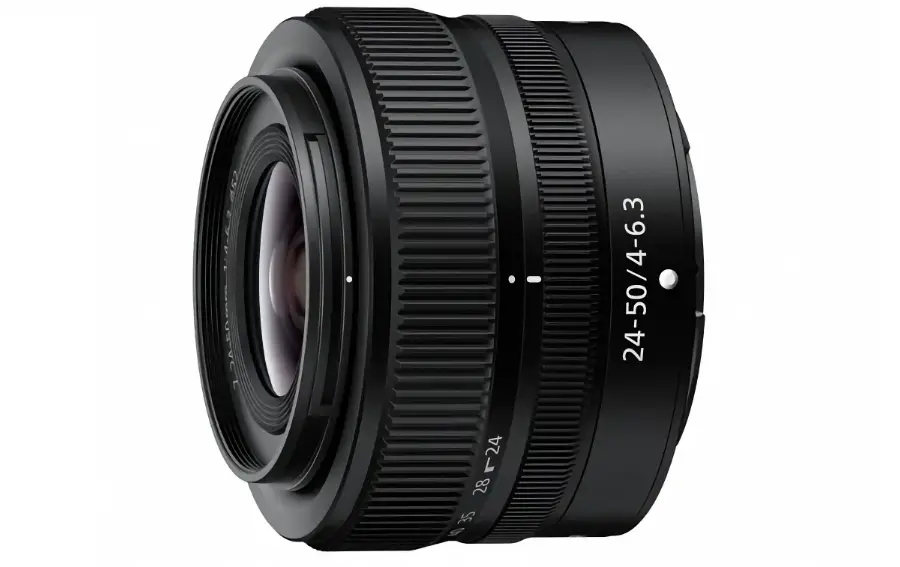
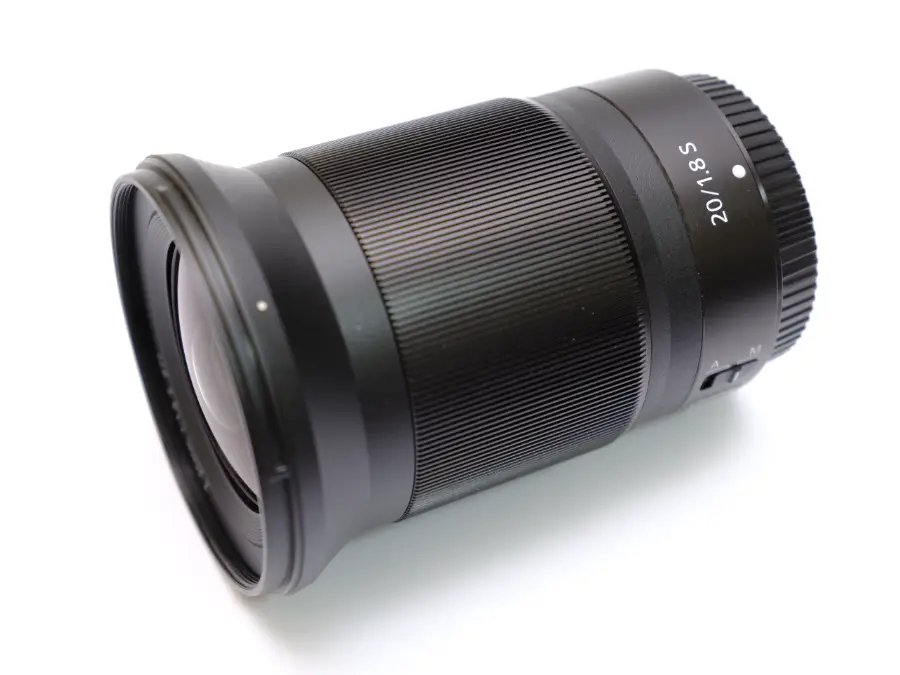
It can utilize all advantages of the Nikon Z mount, compatible with 5 DX-dedicated lenses and FX lenses. The increasing support for third-party lenses has further expanded lens choices.
Connectivity and Compatibility
Power delivery and charging via USB-C are supported, along with connectivity options including microphone, headphone ports, and HDMI output. It’s fully compatible with Nikon’s wireless flash system.
Cloud Integration
Photos can be automatically backed up and shared through Nikon Imaging Cloud. However, the current connection process is somewhat complex.
⚡ Performance and Limitations
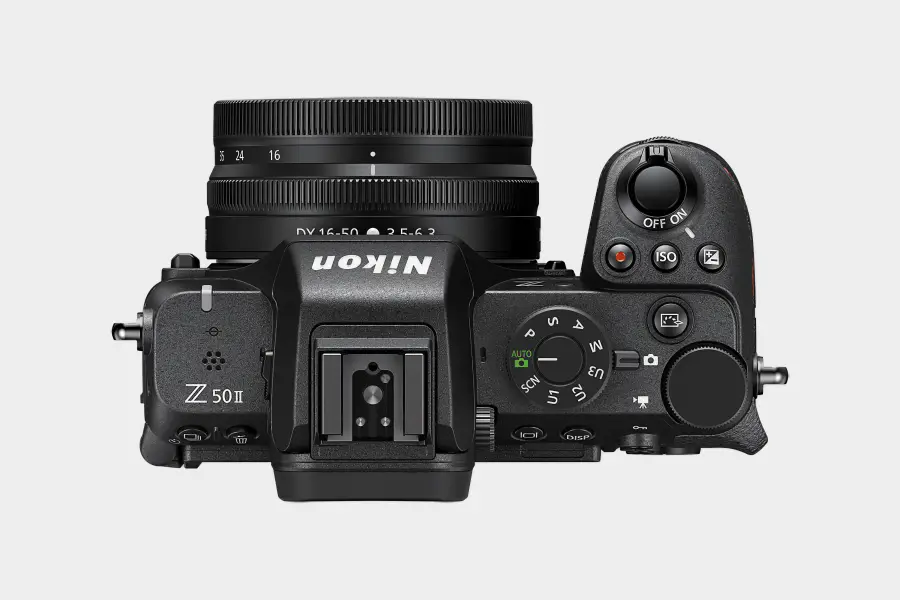
Outstanding Continuous Shooting
Capable of 11fps with mechanical shutter and up to 30fps with electronic shutter. Pre-capture function helps capture decisive moments.
Battery Performance
While capacity has improved with the new EN-EL25a battery, spare batteries are still recommended for extended shooting. USB-C charging adds convenience.
Limitations
The absence of IBIS remains a significant drawback. Single card slot and bottom-placed card slot location are areas needing improvement.
📱 Real-World Usage Experience
Daily Shooting
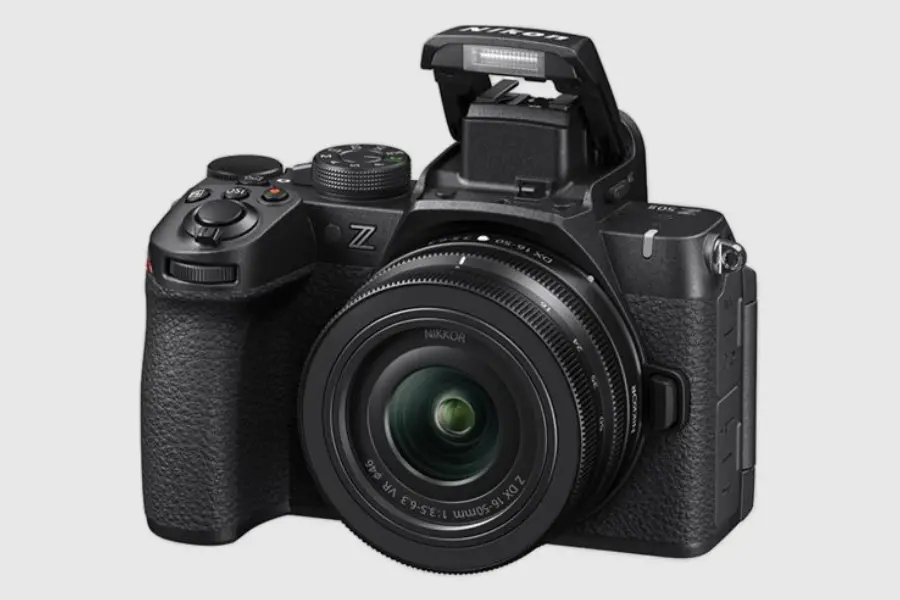
Excellent portability with 450g weight and compact size. Built-in pop-up flash proves useful in urgent situations, and intuitive operation system makes it easy for beginners. The improved grip reduces fatigue during extended shooting.
Professional Work
Z9-level AF system and enhanced continuous shooting capability deliver solid performance in sports and wildlife photography. While supporting N-Log and 10-bit recording for professional video work, the lack of IBIS is notable.
Content Creation
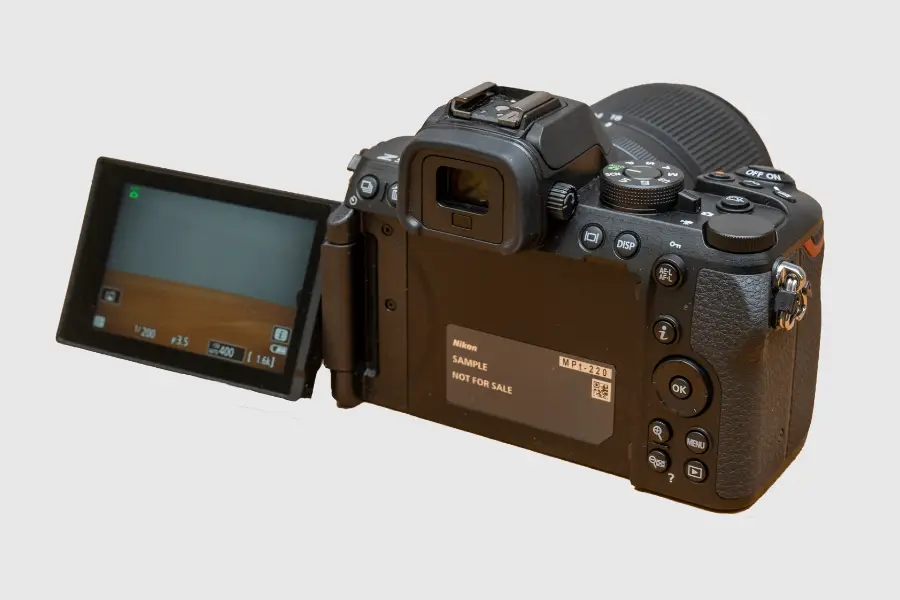
Content creator-focused features like fully articulating LCD, product review AF, and USB webcam functionality are well implemented. Waveform monitor and headphone jack support enable professional video production.
💰 Price-Performance Analysis

Competitive Pricing
The $900 body-only price is competitive compared to similar products. Considering Z9-level AF system and professional video features, it offers reasonable value.
Investment Value
Considering Z mount system’s future expandability, it provides long-term investment value. However, the Z6 II might be worth considering for those planning full-frame upgrade.
Total Cost of Ownership
Consider additional purchases like spare batteries and memory cards beyond the basic kit lens. Fortunately, existing Z50 users can utilize their batteries and lenses.
🎯 Final Evaluation
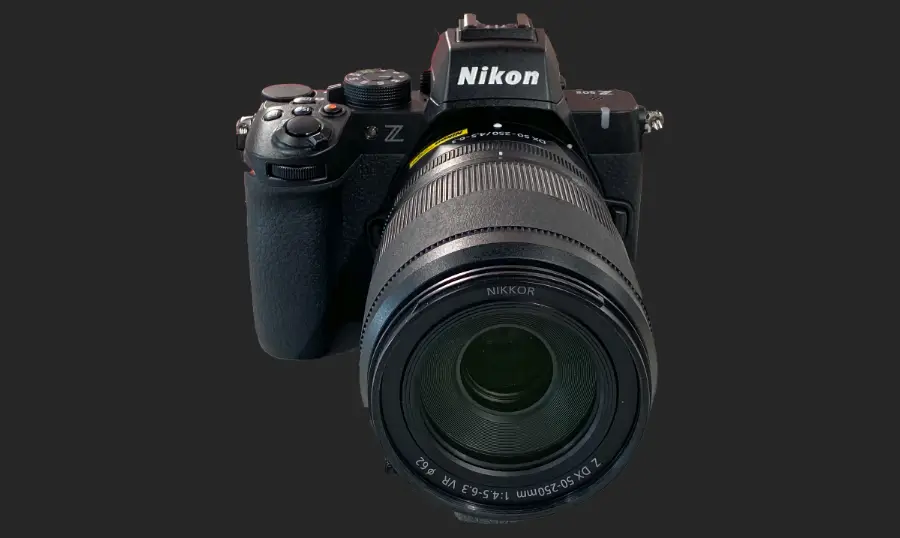
Recommended For
- Beginners entering mirrorless photography
- Hybrid shooters handling both photos and videos
- Users enjoying travel/street photography with lightweight equipment
- Professionals needing a secondary body within Nikon system
Not Recommended For
- Users requiring IBIS
- Professional work requiring dual card slots
- Users needing ultra-high resolution images
- Users prioritizing lens investment with limited budget
Overall Assessment
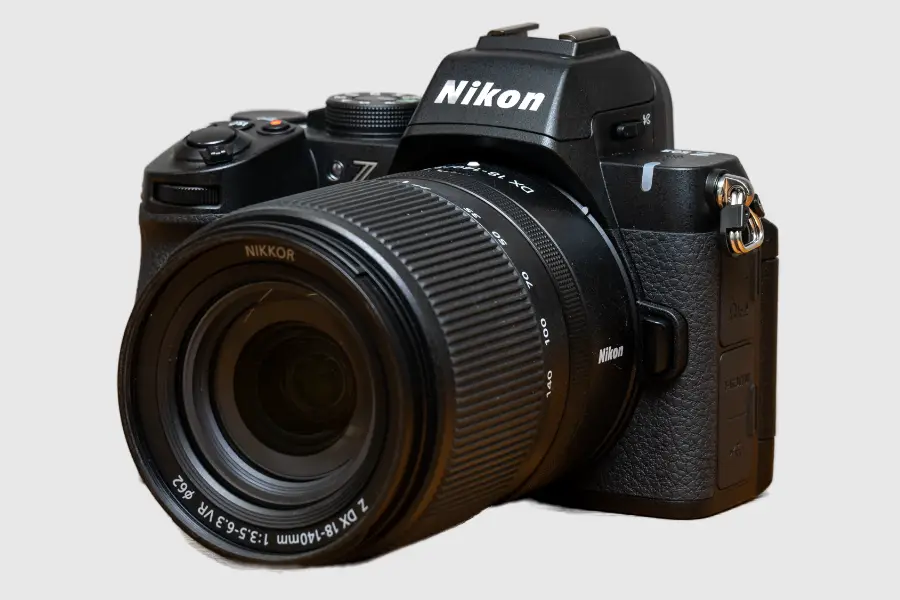
The Nikon Z50 II is an attractive APS-C mirrorless camera that overcomes its predecessor’s limitations while incorporating numerous modern features. While Z9-level AF system, enhanced video capabilities, and improved operability are major advantages, the absence of IBIS and single card slot remain as limitations. Considering its $900 price point, it offers excellent value for money, capable of satisfying both beginners and intermediate users.